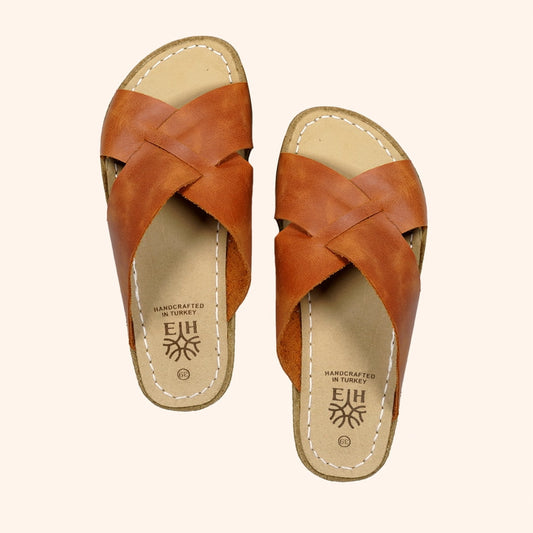
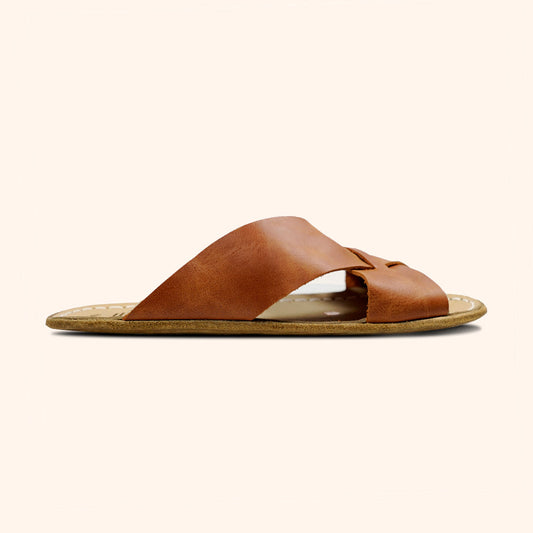
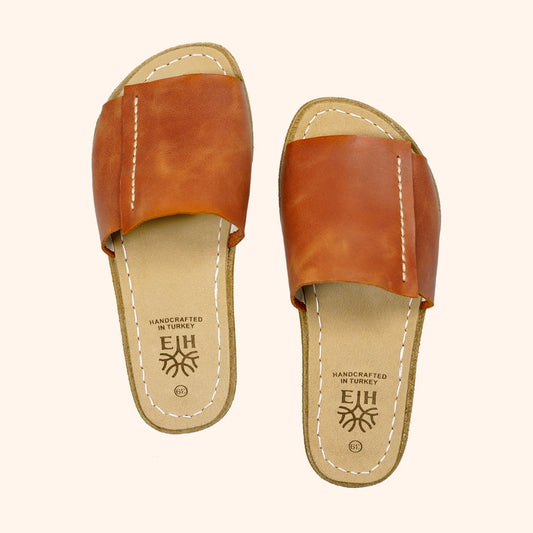
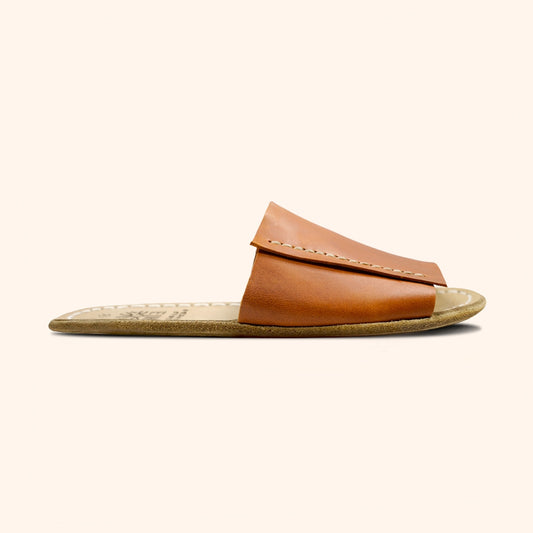
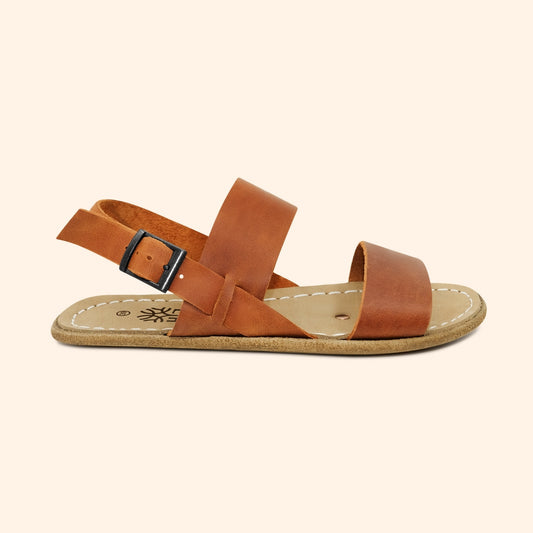
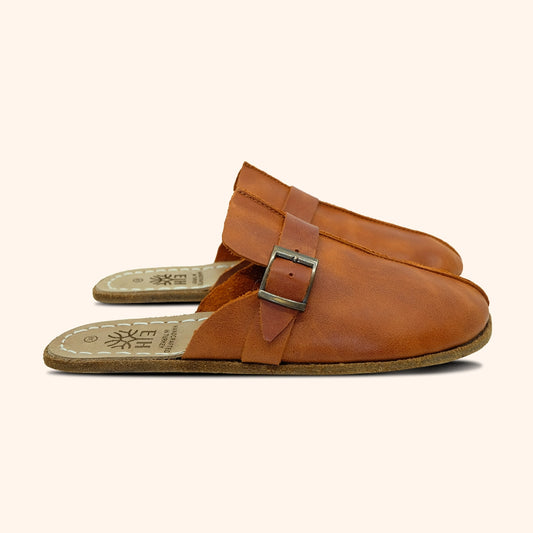
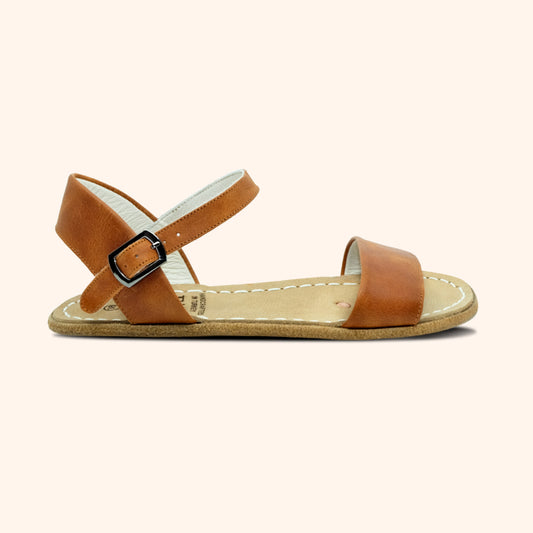
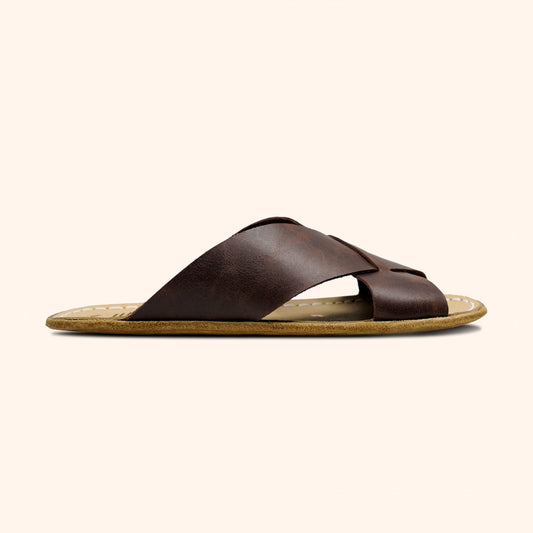
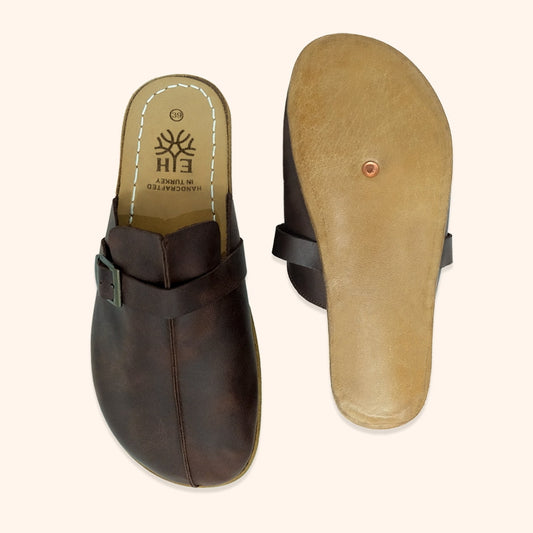
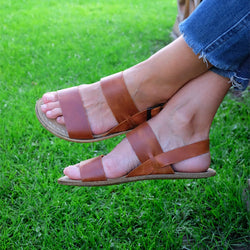
Barefoot sandals are simple sandals designed to support natural movement.
Unlike typical sandals, barefoot sandals focus on flexibility and freedom.
Many barefoot sandals include:
• Thin flexible soles
• Wide toe room
• Zero drop design
• Lightweight materials
• Soft straps
• Natural foot movement support
Many people say barefoot sandals feel closer to walking barefoot while still offering added protection.
Why More People Wear Barefoot Sandals
People want comfort.
They also want freedom.
Many regular shoes and sandals feel stiff and heavy.
Barefoot sandals feel light and natural.
People now wear barefoot sandals for:
• Walking
• Travel
• Hiking
• Beach trips
• Everyday life
• Relax time
• Outdoor adventures
Many customers say their feet feel happier after switching.
Barefoot Experience That Feels Natural
Walking should feel easy.
Your feet should move naturally.
Barefoot sandals help create a barefoot experience with more freedom and flexibility.
Benefits include:
• Better ground feel
• Natural movement
• Flexible walking
• Comfortable steps
• Better toe freedom
Many people say wearing barefoot sandals feels relaxing and fun.
Better Ground Feel with Thinner Soles
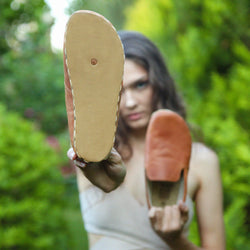
Thinner soles help your feet feel the ground.
Many thick shoes block natural movement.
Barefoot sandals use thinner soles for better ground feel.
Benefits include:
• Better walking awareness
• Flexible movement
• Natural foot motion
• Softer steps
• Comfortable outdoor walking
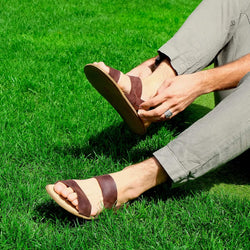
Many customers enjoy feeling grass, dirt, and natural paths under their feet.
Why Zero Drop Design Matters
Zero drop means the heel and front of the foot stay level.
Many regular shoes raise the heel.
Barefoot sandals support natural posture and movement.
Benefits include:
• Better balance
• Natural walking feel
• Comfortable posture
• Better movement during long walks
Many people who wear barefoot shoes also choose zero drop sandals.
Wide Toe Room for Better Comfort
Your toes need room to move.
Many typical sandals and shoes feel narrow.
Barefoot sandals provide wide toe room for better comfort.
Benefits include:
• Natural toe spread
• Better balance
• More comfort
• Less pressure on toes
• Better foot movement
People with wide feet often say barefoot sandals feel much better than other sandals.
Great Sandals for Wide Feet
Wide feet need extra space.
Many sandals squeeze the toes.
Barefoot sandals help support natural foot shape.
Features include:
• Wide toe room
• Soft flexible straps
• Comfortable footbed
• Natural movement support
Many customers with wide feet finally feel comfortable in barefoot sandals.
Minimalist Sandals for Simple Living
Minimalist sandals focus on freedom and simplicity.
They remove extra bulk and heavy materials.
Benefits of minimalist sandals include:
• Lightweight feel
• Easy movement
• Better ground feel
• Comfortable travel wear
• Natural walking support
Many people enjoy minimalist sandals because they feel soft and easy.
Long Walks Feel Better with Barefoot Sandals
Heavy footwear can feel tiring.
Barefoot sandals help support easier walking during long walks.
Features that help include:
• Lightweight soles
• Soft straps
• Better toe room
• Flexible movement
• Natural foot motion
Many customers say their feet feel less tired after walking.
Added Protection Without Heavy Shoes
Walking barefoot feels natural.
Still, many people want added protection from rough ground.
Barefoot sandals help protect the feet while keeping natural movement.
Benefits include:
• Protection from rocks
• Comfortable walking on trails
• Flexible movement
• Better outdoor comfort
This creates a balance between barefoot freedom and daily comfort.
Why Barefoot Sandals Feel Better Than Typical Sandals
Typical sandals often feel stiff or narrow.
Many use thick soles and tight straps.
Barefoot sandals focus on comfort and flexibility.
Many people notice the difference quickly.
Barefoot sandals often feel:
• Lighter
• Softer
• More flexible
• More natural
• More comfortable
Toe Post and Toe Loop Designs
Some barefoot sandals use a toe post.
Others use a toe loop design.
Both styles help support secure comfortable walking.
Many customers choose based on personal comfort.
Benefits include:
• Better stability
• Flexible movement
• Comfortable fit
• Easy everyday wear
Why Foot Health Matters
Your feet support your body every day.
Comfortable footwear matters for foot health.
Barefoot sandals support:
• Natural movement
• Better toe freedom
• Flexible walking
• Comfortable posture
Many customers simply say their feet feel better after switching.
Health Benefits of Natural Movement
Natural movement helps the body move more freely.
Many people enjoy the health benefits of flexible footwear.
Benefits may include:
• Better comfort
• Easier walking
• Relaxed movement
• Better balance
Many barefoot sandal users enjoy walking more often.
Why Feet Feel More Relaxed
Heavy shoes can feel restrictive.
Barefoot sandals allow the feet to move more naturally.
Many customers say their feet feel:
• More relaxed
• Less trapped
• More flexible
• More comfortable
That relaxed feeling matters during everyday life.
Wear Barefoot Sandals with Toe Socks
Some people enjoy wearing toe socks with barefoot sandals.
Toe socks help keep the toes separate while adding soft comfort.
Benefits include:
• Better toe comfort
• Warmth during cool weather
• Soft walking feel
• Flexible movement
Many customers enjoy sandals with or without socks.
Barefoot Sandals Good for Everyday Life
Barefoot sandals work well during everyday life.
They are great for:
• Shopping
• Walking
• Travel
• Park visits
• Outdoor events
• Relax time
Many customers wear barefoot sandals daily during warm seasons.
Best Barefoot Sandals for Travel
Travel requires light and flexible footwear.
Barefoot sandals are easy to pack and easy to wear.
Benefits include:
• Lightweight feel
• Flexible comfort
• Easy airport walking
• Comfortable sightseeing
• Breathable design
Many travelers love minimalist sandals because they save space.
Why Barefoot Shoes Users Love Barefoot Sandals
People who wear barefoot shoes often enjoy barefoot sandals too.
Both support natural movement and flexible walking.
Many customers switch between:
• Barefoot shoes
• Minimalist sandals
• Hiking sandals
• Casual sandals
This helps support comfort during all parts of life.
Solid Option for Outdoor Comfort
Barefoot sandals are a solid option for outdoor movement.
They work well for:
• Beach walks
• Nature trails
• Dusty trails
• Park trips
Many customers enjoy feeling connected to nature.
Better Than Flip Flops
Many flip flops feel loose and unstable.
Barefoot sandals often provide a more secure fit.
Benefits include:
• Better movement control
• More comfortable walking
• Secure straps
• Better long walk support
Many customers replace flip flops with barefoot sandals.
Why Straps Matter
Good straps help sandals stay comfortable.
Soft straps reduce rubbing during walking.
Many barefoot sandals use flexible straps that move naturally with the feet.
Benefits include:
• Comfortable fit
• Easy movement
• Better support
• Flexible wear
Comfortable Footbed for Daily Wear
A good footbed matters during everyday walking.
Barefoot sandals use flexible comfortable footbed designs.
Benefits include:
• Better comfort
• Natural movement
• Relaxed walking feel
• Soft support
Many customers enjoy wearing sandals for hours.
One Sandal for Many Activities
Many people want one sandal that works for many situations.
Barefoot sandals are versatile.
They work well for:
• Walking
• Hiking
• Travel
• Relax time
• Outdoor events
• Everyday errands
This makes them a smart footwear choice.
Why Barefoot Sandals Feel Fun
Walking should feel fun.
Barefoot sandals feel light and free.
Many customers enjoy the simple natural feeling.
The open design helps people feel:
• Relaxed
• Comfortable
• Free
• Connected to nature
First Pair Tips for New Users
Your first pair of barefoot sandals may feel different.
That is normal.
Many people adjust quickly after a few walks.
Simple tips include:
• Start with short walks
• Adjust the straps slowly
• Focus on comfort
• Allow the feet to adapt naturally
Most customers enjoy the flexible feel very quickly.
Why Many Customers Buy a Second Pair
Many people start with one sandal style.
Later they purchase a second pair.
Why?
Because barefoot sandals work for many parts of life.
Customers often buy:
• Casual sandals
• Hiking sandals
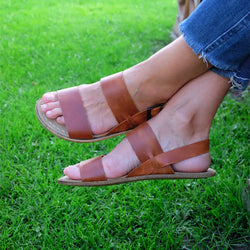
• Leather sandals
• Travel sandals
Different styles fit different needs.
Leather Barefoot Sandals for Natural Style
Leather sandals look timeless and simple.
Soft leather helps create comfortable movement.
Benefits include:
• Natural look
• Flexible comfort
• Everyday wear support
• Soft walking feel
Leather sandals work well with casual fashion.
Lacing System for Better Fit
Many barefoot sandals use adjustable lacing system designs.
This helps users create a secure comfortable fit.
Benefits include:
• Better adjustment
• Comfortable movement
• Easy fit changes
• Better walking support
A good lacing system helps sandals feel stable without tight pressure.
Super Easy to Wear
Barefoot sandals are super easy to wear.
They feel light and simple.
Many people enjoy quick comfortable wear during busy days.
Benefits include:
• Fast wear
• Easy packing
• Comfortable walking
• Everyday flexibility
This makes barefoot sandals great for daily life.
Other Brands and Popular Styles
Many shoppers compare other brands while searching for barefoot sandals.
Popular names include:
• Earth runners
• Shamma sandals
• Xero shoes
• Zuzu sandals
Every brand offers something different.
At Earthing Harmony, we focus on comfort, flexibility, and natural movement.
Why Sole Thickness Matters
Sole thickness changes how sandals feel.
Thin soles improve ground feel.
Some people prefer more added protection.
Barefoot sandals offer different options for different comfort needs.
Benefits include:
• Better movement
• Flexible comfort
• More natural walking
• Outdoor protection
Big Toe Freedom Matters
The big toe plays an important role during walking.
Many narrow shoes limit toe movement.
Barefoot sandals help support natural toe spread.
Benefits include:
• Better balance
• Better walking feel
• Natural foot movement
• More comfort
Toe freedom matters during daily walking.
Arch Support and Natural Movement
Some people search for arch support in sandals.
Barefoot sandals focus more on natural movement and flexible comfort.
Many users say flexible sandals feel more natural than stiff footwear.
Comfort preferences vary from person to person.
Morton’s Neuroma and Toe Space
Many people with Morton's neuroma look for sandals with more toe room.
Tight footwear can feel uncomfortable.
Barefoot sandals help provide:
• Wide toe space
• Flexible movement
• Less pressure on toes
• Comfortable walking feel
Many customers say open flexible sandals feel more comfortable.
Better Than Heavy Shoes
Heavy shoes can feel tiring during warm weather.
Barefoot sandals feel lighter and cooler.
Benefits include:
• Breathable comfort
• Flexible movement
• Easier walking
• Relaxed everyday wear
Many people switch from shoes to sandals during summer.
Why Customers Love Ground Feel
Ground feel helps your feet sense movement.
Many customers enjoy feeling closer to the ground while walking.
Benefits include:
• Better movement awareness
• Natural walking feel
• Flexible comfort
• Relaxed steps
This creates a more connected barefoot experience.
Top Notch Comfort for Daily Use
Great sandals should feel good all day.
Our barefoot sandals are designed for top notch comfort during:
• Walking
• Hiking
• Travel
• Everyday life
• Outdoor adventures
Comfort matters during every step.
True Freedom for Your Feet
Your feet deserve true freedom.
Barefoot sandals help your toes spread naturally.
They help your feet move without restriction.
Many customers say barefoot sandals help them feel:
• Free
• Relaxed
• Comfortable
• Connected to nature
That freedom matters during everyday life.
Why Barefoot Sandals Stand Out
Barefoot sandals are different from many other sandals.
They focus on:
• Natural movement
• Flexible comfort
• Better ground feel
• Lightweight walking
• Wide toe room
This creates a more natural footwear experience.
Why Reviews Mention Comfort
Many of our reviews talk about comfort and flexibility.
Customers often mention:
• Soft movement
• Better walking feel
• Flexible soles
• Comfortable straps
• Natural movement support
Comfort remains one of the biggest reasons people love barefoot sandals.
Earthing Harmony Barefoot Sandals Feel Different
At Earthing Harmony, we focus on natural comfort and movement.
Our sandals are designed for real life.
We create footwear that supports:
• Flexible walking
• Outdoor comfort
• Everyday wear
• Ground feel
• Natural movement
• Relaxed living
We believe simple footwear can make a big difference.
Find Your Perfect Pair Today
Every person deserves comfortable sandals.
The right pair helps walking feel softer and more natural.
At Earthing Harmony, our barefoot sandals are made for:
• Hiking
• Walking
• Everyday life
• Travel
• Relax time
• Outdoor adventures
Whether you want minimalist sandals, hiking sandals, or leather styles, there is a perfect pair waiting for you.
Shop Barefoot Sandals Today
Your feet deserve freedom.
Your toes deserve room.
Your walking experience should feel natural.
Explore the Earthing Harmony barefoot sandals collection today.
Enjoy flexible comfort with every step.
Feel closer to nature.
Walk freely.
Choose barefoot sandals made for real comfort.





 Shoes
Shoes
 Boots
Boots
 Sandals & Clogs
 Shoes
Shoes
 Boots
Boots
 Sandals & Clogs