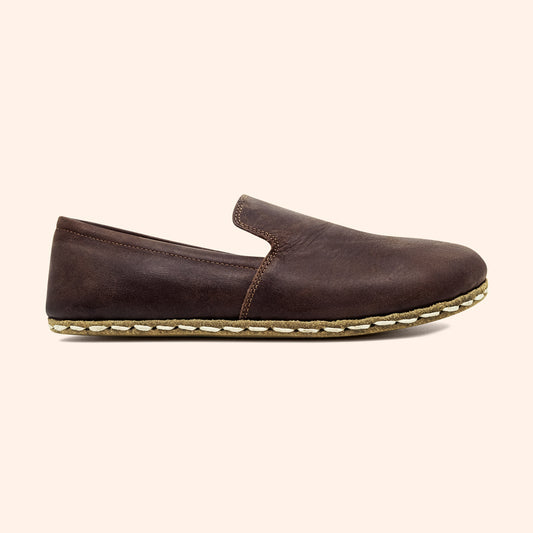
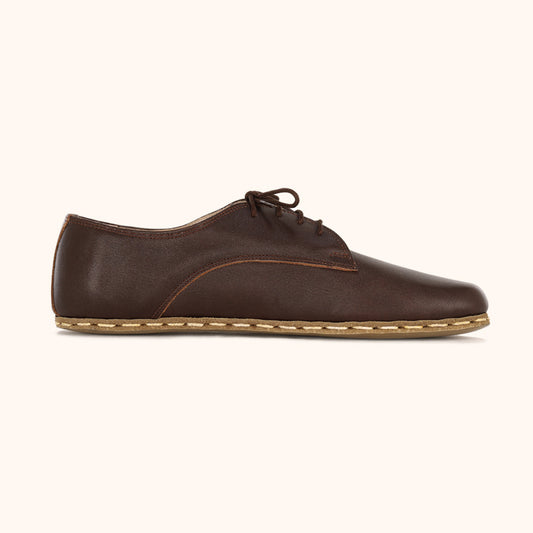
Men’s barefoot shoes are shoes made to help your feet move in a more natural way. Most conventional shoes squeeze the toes and change the way people walk. Barefoot shoes for men do the opposite.
They give your feet space.
They let your toes spread.
They support natural movement.
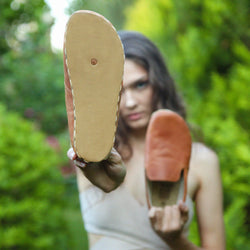
They use a thin sole and flexible sole to help you feel the ground better. Many people enjoy the close ground feel because it helps walking feel more natural.
Most barefoot shoes also use zero drop design. This means the heel and toe stay level. Many non barefoot shoes raise the heel. That can change posture and walking style.
Barefoot shoes help support a more natural fit.
Why More Men in the USA Choose Barefoot Shoes
People across the USA now want comfort more than ever. Men want footwear that feels good during long days. They also want shoes that match modern style.
That is why the world barefoot shoes market keeps growing.
Men now wear barefoot shoes for almost everything.
They wear them for:
• Work
• Travel
• Gym time
• Walking
• Office use
• Casual wear
• Daily errands
• Outdoor trips
• Everyday wear
• Year round comfort
Many people start with one pair and later buy several models for different needs.
Natural Movement Matters
Your feet are made to move.
A natural foot shape needs room to spread and flex. Many conventional shoes stop this movement. Tight toe box styles press the toes together.
Men’s barefoot shoes help your feet move the way nature planned.
Natural movement can help support:
• Better comfort
• More balance
• Better walking feel
• Better posture
• Less pressure on toes
• Easier movement all day
Many customers say barefoot walking feels smooth and easy after switching from conventional shoes.
Wide Toe Box for Better Toe Space
One of the best parts of barefoot shoes men love is the wide toe box.
A wide toe box gives your toes room to spread. This helps create a natural fit.
Many shoes today have narrow fronts. They press the toes together. That can feel uncomfortable during long wear.
A wide toe box helps support:
• Natural foot shape
• Better comfort
• More balance
• Better walking feel
• Less squeezing
• Better toe movement
People with wide feet often struggle to find comfortable shoes. Barefoot shoes for men help solve that problem with wide fit designs.
Flexible Sole for Daily Comfort
A flexible sole bends with your foot.
That matters because your feet move in many ways during the day. Stiff shoes can limit movement.
Our flexible outsole design helps your feet feel more free.
Benefits of a flexible sole include:
• Better comfort
• More natural movement
• Easy walking
• Better ground feel
• Soft movement during long wear
Many customers say the flexible outsole helps reduce foot stress during long work days.
Zero Drop Design for Better Walking
Most conventional shoes raise the heel.
Barefoot shoes use zero drop design instead.
This means the heel and toe stay level.
Zero drop shoes help support natural heel walking and posture. Many men say they feel more balanced while walking.
Benefits of zero drop footwear include:
• More natural stance
• Better balance
• More natural movement
• Better comfort during long wear
• Smooth walking feel
Thin Sole and Better Ground Feel
Many men love the close ground feel of barefoot shoes.
A thin sole helps you feel the surface under your feet without losing comfort.
This can help create a more connected walking experience.
People often say the ground feel helps them move with more awareness.
Benefits of a thin sneakers sole include:
• Better movement feel
• More control
• Better flexibility
• Natural walking experience
• Lightweight comfort
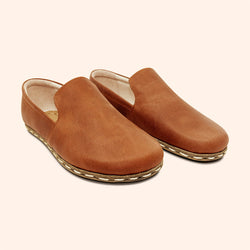
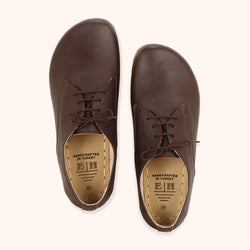
High Quality Leather Shoes with Natural Style
Many men want comfort and style together.
That is why high quality leather shoes are popular in barefoot collections.
Leather barefoot shoes offer:
• Timeless style
• Soft comfort
• Long term wear
• Easy matching with outfits
• Everyday use
Our leather shoes are made for modern life. You can wear them with jeans, office clothes, or casual wear.
Barefoot Shoes for Modern Men
Many people think barefoot shoes only look sporty.
That is not true anymore.
Modern barefoot dress shoes combine style with comfort.
You can enjoy:
• Wide toe box comfort
• Natural fit
• Flexible sole
• Modern look
• Daily office style
Barefoot dress shoes work well for:
• Office days
• Meetings
• Events
• Travel
• Everyday wear
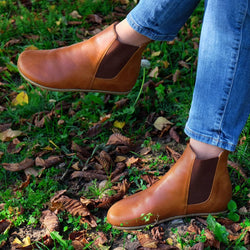
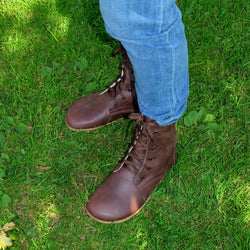
Barefoot Boots for All Weather Use
Many men want barefoot boots for colder weather and outdoor use.
Our barefoot boots are designed for comfort, movement, and protection.
Benefits of barefoot boots include:
• Flexible outsole
• Wide fit comfort
• Better toe space
• Soft movement
• All weather support
• Year round use
Many customers wear barefoot boots during rain, cold days, and outdoor trips.
Minimalist Shoes for Simple Living
Minimalist shoes focus on less bulk and more natural movement.
Many men now want simple footwear that feels light and easy.
Minimal shoes help reduce extra weight while keeping comfort.
People love minimalist shoes because they feel:
• Light
• Flexible
• Natural
• Comfortable
• Easy to pack for travel
Minimalist shoes also work well for casual wear and everyday use.
Barefoot Shoes for Different Foot Type Needs
Every person has a different foot type.
Some people have wide feet.
Some have high volume feet.
Others have low volume feet.
That is why finding the right natural fit matters.
Our barefoot shoes for men are designed for many foot shape needs.
Features include:
• Wide fit options
• Flexible materials
• Natural toe box shape
• Soft movement
• Comfortable wear style
Many customers say they finally found shoes that fit correctly after years of wearing tight conventional shoes.
Why Men Switch from Regular Shoes
Many men do not realize how tight their old shoes feel until they try barefoot shoes.
Conventional shoes often use:
• Narrow toe box
• Thick stiff sole
• Raised heel
• Heavy materials
• Limited flexibility
Non barefoot shoes can feel restrictive after trying a natural fit design.
Many customers say barefoot shoes feel more comfortable after only a short time.
Comfortable Footwear for Everyday Wear
Your shoes should feel good from morning to night.
That is why everyday wear comfort matters.
Men’s barefoot shoes work well for:
• Work
• Walking
• Shopping
• Travel
• Home use
• Daily errands
• Weekend trips
Many men wear barefoot shoes daily because they feel soft, light, and easy.
Casual Wear That Looks Great
Style still matters.
Many men want shoes that feel good and look modern.
Barefoot shoes now come in many wear style options.
You can find:
• Sneakers
• Leather shoes
• Barefoot boots
• Sandals
• Dress shoes
• Slip on styles
These shoes match many outfits and work for casual wear or smart daily fashion.
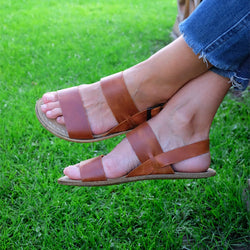
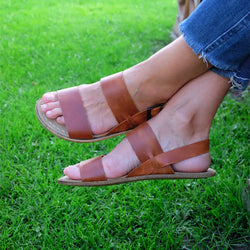
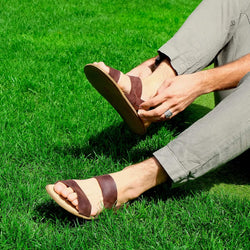
Barefoot Sandals for Warm Days
Sandals are a great choice during hot weather.
Barefoot sandals give your feet room and airflow.
Benefits include:
• Wide toe box comfort
• Lightweight feel
• Natural movement
• Soft flexible sole
• Easy summer style
Many people enjoy barefoot sandals for beach trips, walking, and travel.
Sustainable Materials for Better Choices
Many customers now care about sustainable materials.
People want products that feel good and support better choices for the future.
Our footwear collection focuses on comfort, quality, and thoughtful design.
Benefits of sustainable materials include:
• Long lasting wear
• Better product quality
• Responsible choices
• Comfortable feel
Good Quality That Lasts
Men want shoes that last.
That is why good quality matters.
Our barefoot shoes for men are designed for long term comfort and daily use.
We focus on:
• Strong materials
• Flexible movement
• Comfortable fit
• Soft interior feel
• Stylish design
A good pair of barefoot shoes should support your life every day.
Barefoot Walking Feels Different
Many first time users notice a big change during barefoot walking.
The movement feels lighter.
The steps feel softer.
The foot can move more naturally.
At first, some people need time to adjust. That is normal.
Many customers start by wearing barefoot shoes for short periods.
Then they slowly increase wear time.
Tips for New Barefoot Shoe Users
If you are new to barefoot shoes, these simple tips can help:
• Start with short walks
• Let your feet adjust slowly
• Choose the right foot type fit
• Use shoes for daily errands first
• Focus on comfort
• Give your toes room to move
Many men adapt quickly and enjoy the natural feel.
Best Men’s Barefoot Shoes for Travel
Travel days can be long.
Heavy shoes can feel uncomfortable.
Men’s barefoot shoes are a smart travel choice because they are:
• Light
• Flexible
• Easy to pack
• Comfortable for walking
• Great for airports and cities
Many travelers love minimalist shoes because they save space in bags.
Great Shoes for Work Days
Long work days require comfortable footwear.
Many men now wear barefoot shoes to the office or workplace.
Features that help during work include:
• Flexible sole
• Wide toe box
• Natural fit
• Lightweight feel
• Better movement
Barefoot dress shoes and leather shoes work well for professional settings.
Shoes for Wide Feet
Wide feet often need more room.
Many regular shoes feel too tight.
That is why wide fit barefoot shoes are popular.
Benefits for wide feet include:
• Better comfort
• More toe space
• Less pressure
• Natural movement
• Better daily wear
The wide toe box design supports natural foot shape needs.
Shoes for High Volume Feet
Some people have high volume feet.
This means the foot may need extra room around the top and sides.
Flexible barefoot shoes can help provide a better natural fit.
Features that help high volume feet include:
• Soft materials
• Flexible outsole
• Roomy shape
• Comfortable wear style
Shoes for Low Volume Feet
Low volume feet may need a closer fit.
Many barefoot shoes include adjustable designs for different foot type needs.
A proper fit helps improve comfort during walking and everyday wear.
Why Toe Box Shape Matters
The toe box shape is very important.
Your toes should not feel squeezed.
A natural toe box shape supports:
• Better movement
• Better balance
• Better comfort
• Natural foot shape
• Easier walking
Many customers say they never realized how tight old shoes felt until they switched.
Wear Barefoot Shoes Year Round
Men’s barefoot shoes are useful during every season.
You can wear them year round for:
• Spring walks
• Summer travel
• Fall outings
• Winter casual use
Several different models help support different weather needs.
How Barefoot Shoes Support Daily Life
Modern life keeps people moving.
You need footwear that supports comfort during busy days.
Men’s barefoot shoes work well for:
• Morning walks
• Office hours
• Gym trips
• City travel
• Family outings
• Weekend activities
Many people choose barefoot shoes because they feel easy and natural.
The Style of Modern Barefoot Shoes
Old barefoot shoes often looked unusual.
Today, modern styles look clean and stylish.
You can now enjoy:
• Modern sneakers
• Stylish leather shoes
• Smart dress shoes
• Rugged barefoot boots
• Simple sandals
This makes barefoot footwear easier to wear with everyday fashion.
Why Flexible Outsole Design Matters
A flexible outsole helps your foot bend naturally.
That matters during walking and movement.
Many stiff shoes block natural foot motion.
A flexible outsole supports:
• Better movement
• Comfortable steps
• Natural feel
• Better walking comfort
Better Comfort for Long Days
Many men spend hours standing or walking.
Comfort becomes very important.
Men’s barefoot shoes help support long day comfort through:
• Wide toe box
• Flexible sole
• Lightweight feel
• Natural fit
• Soft movement
Many users say their feet feel less tired after daily wear.
Why Men Buy More Than One Pair
Many customers start with one pair and then later they buy more.
Why?
Because different styles fit different needs.
Many men buy:
• Sneakers for casual wear
• Dress shoes for work
• Barefoot boots for cold weather
• Sandals for summer
This helps support comfort during all parts of life.
Barefoot Shoes for Men Who Love Movement
Active men often enjoy barefoot shoes because they feel flexible and light.
The natural movement design helps support freedom during walking and daily activity.
Benefits include:
• Easy movement
• Better flexibility
• Lightweight comfort
• Better toe space
• Natural walking feel
Better Than Most Barefoot Shoes
Not all barefoot shoes feel the same.
Some feel too stiff.
Some lack comfort.
At Earthing Harmony, we focus on balance.
We create barefoot shoes for men that combine:
• Comfort
• Style
• Flexibility
• Natural fit
• Good quality
• Everyday function
Our goal is simple.
We want your feet to feel free.
The Difference Between Barefoot and Conventional Shoes
The difference becomes clear after trying both.
Conventional shoes often feel:
• Tight
• Heavy
• Stiff
• Restrictive
Barefoot shoes often feel:
• Light
• Flexible
• Natural
• Comfortable
Many men never want to return to non barefoot shoes after making the switch.
Men’s Barefoot Shoes for Modern Living
Modern life needs smart footwear.
You need shoes that work during busy days and still feel comfortable.
Men’s barefoot shoes support:
• Everyday wear
• Casual style
• Office comfort
• Travel movement
• Natural walking
These shoes fit modern lifestyles across the USA.
Why Foot Shape Matters
Every foot shape is different.
Shoes should support the natural shape of your feet.
A natural fit helps improve comfort and movement.
That is why barefoot shoes use:
• Wide toe box
• Flexible design
• Natural sole shape
• Better toe space
This helps support comfort during daily use.
Easy Style for Almost Everything
One reason men love barefoot shoes is versatility.
They work for almost everything.
You can wear them for:
• Work
• Travel
• Walking
• Shopping
• Family time
• Casual events
Modern barefoot shoes blend comfort with simple style.
Why Ground Feel Is Important
Ground feel helps you sense movement under your feet.
A thin sole supports this natural walking experience.
Many people say a better ground feel helps them feel more connected while walking.
This creates a smooth and flexible walking style.
Find Your Perfect Pair
Every man deserves comfortable footwear.
The right pair can change the way your feet feel every day.
At Earthing Harmony, our men’s barefoot shoes are designed for:
• Natural movement
• Wide fit comfort
• Flexible walking
• Stylish everyday wear
• Better toe space
• Long term comfort
Whether you want barefoot boots, dress shoes, sandals, or minimal shoes, there is a style for your life.
Shop Men’s Barefoot Shoes Today
Comfort should never feel hard.
Your feet deserve room to move.
Your steps should feel natural.
Your footwear should support daily freedom.
Explore our collection of men’s barefoot shoes today and discover a better way to walk, move, and live.
Choose comfort.
Choose flexibility.
Choose natural movement.
Choose barefoot shoes for men from Earthing Harmony.





 Shoes
Shoes
 Boots
Boots
 Sandals & Clogs
 Shoes
Shoes
 Boots
Boots
 Sandals & Clogs