Every surface you walk on - tile, carpet, asphalt - separates your body from something it evolved with: the earth itself. Grounding, also called earthing, is the practice of restoring direct contact with the earth's surface so your body can absorb its natural free electrons. It sounds simple because it is. And a growing body of research evidence suggests it may meaningfully support sleep, recovery, and stress reduction.
What Is Grounding (Earthing)?
In integrative medicine, grounding refers specifically to physical contact with the earth - skin touching grass, soil, sand, or water - not the psychological grounding techniques used in therapy for anxiety or negative thoughts. The distinction matters.
Here's the basic picture:
-
The earth carries a slightly negative electrical charge, maintaining a large reservoir of mobile electrons at its surface.
-
Walking barefoot on grass, sand, or soil is the simplest way to absorb those electrons through the soles of your feet.
-
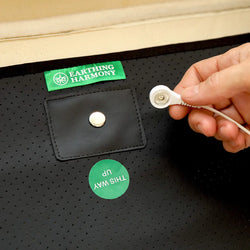
Earthing products like sheets, mats, and conductive footwear extend this connection indoors for people who can't spend hours outside.
-
Most people today are insulated from the earth by rubber-soled shoes, synthetic flooring, and elevated buildings - a disconnect that accelerated sharply after the 1960s with the rise of synthetic materials.
-
Reconnecting with the earth may support better health, improved sleep, and faster recovery, based on emerging research and widespread user experience.

How Grounding Techniques Work in the Body
Your human body runs on electricity. Every heartbeat, nerve signal, and brain wave depends on electrical impulses traveling through conductive tissue. The earth, meanwhile, maintains a massive supply of electrons just beneath its surface. When you establish a conductive path - bare skin on soil, or a grounding mat connected to the earth - electrons can flow into your body.
The proposed mechanism centers on oxidative stress. Reactive oxygen species (free radicals) carry an unpaired electron, making them highly reactive and damaging to cells. The theory is that earth-derived free electrons neutralize these molecules, acting as a kind of universal anti inflammatory remedy without suppressing your immune response.
Grounding in electrical systems is the intentional connection of circuits to the earth, and it stabilizes voltage levels in those systems. In the body, a parallel principle applies: grounding provides a predictable path for electricity to flow safely, potentially restoring electrical equilibrium in tissues. In electrical infrastructure, grounding also prevents fire hazards by dissipating fault currents that can cause overheating and protects against electric shock by directing fault current safely to the ground.
Small studies support this theory. A 2004 cortisol study found that sleeping grounded for 8 weeks normalized circadian cortisol rhythms and reduced nighttime cortisol in 12 participants. More recent pilot trials show grounding shifts the autonomic nervous system toward parasympathetic (rest-and-digest) dominance, reducing skin conductance and altering heart rate variability.
It's worth noting that different grounding methods exist across disciplines. Psychological grounding methods for anxiety rely on mental focus, breath, and senses to help you feel present - not on electron flow. Bioelectrical grounding relies on physical contact with the earth or earthing products. Many practitioners combine both.

Benefits of Grounding for Better Health
Most people who practice grounding consistently report noticeable changes in how they feel within days to weeks. Here are the benefits of grounding that show up most often in both clinical observations and user feedback:
-
Improved sleep quality and depth. Connecting with the earth can improve sleep quality. A 2025 randomized, double-blind, placebo-controlled study of 60 participants found significant improvements in Pittsburgh Sleep Quality Index scores, total sleep time, and daytime sleepiness after 31 days of sleeping on an earthing mat 6 hours per night.
-
Reduced aches and pain. Grounding may reduce inflammation and chronic pain. In one study, 82% of grounded subjects reported reduced muscle and joint stiffness on waking, compared to controls who reported no change.
-
Faster post-exercise recovery. A case history series study on delayed onset muscle soreness found that grounded participants had less soreness and lower markers of muscle damage enzymes.
-
Calmer mood and less stress. Grounding is associated with lower stress levels. Grounding techniques can reduce stress hormones, particularly cortisol, helping people feel less reactive throughout the day.
-
Cardiovascular support. A pilot study found that grounding for 10–12 hours daily reduced blood pressure by an average of 14.3% in hypertensive participants - suggesting hypertension improves blood pressure outcomes when earthing is added to daily routines.
Customer feedback from Earthing Harmony - a brand with over 100,000 customers and thousands of 5-star reviews - reports that 93% of users noticed deeper sleep and 82% reported fewer aches when using their grounding sheets. Users report feeling more balanced after using earthing products. Results vary, and these are user-reported rather than peer-reviewed, but they align closely with the clinical patterns above.

Simple Grounding Techniques You Can Start Today
You don't need special grounding equipment to begin. If you can step outside, you can practice grounding methods today - even in a city.
-
Barefoot on grass or soil. Spend 10–30 minutes with bare feet on a lawn, park, or garden. Slightly damp ground after rain conducts electrons more effectively than dry surfaces.
-
Beach walking. Walking barefoot on wet sand at the shoreline or wading in the ocean is one of the most conductive natural settings available. Saltwater dramatically enhances electron flow.
-
Gardening with bare hands. Digging in soil with your hands creates direct contact with the earth while you get fresh air and movement at the same time.
-
Walking meditation. Walking meditation enhances grounding by focusing on physical sensations - the texture of grass under your feet, the temperature of the soil - turning a simple walk into a deliberate practice.
-
Park bench lunch. Slip off your shoes during a lunch break, place your feet on grass, and enjoy spending time connected to the earth without restructuring your day.
To stay safe, avoid areas with broken glass, chemical contamination, or extreme temperatures. In winter, shorter sessions on cold ground still provide some connection, or you can shift to indoor options.

Indoor Grounding With Earthing Products
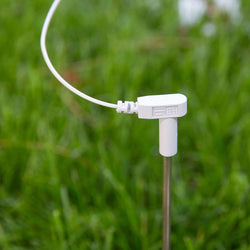
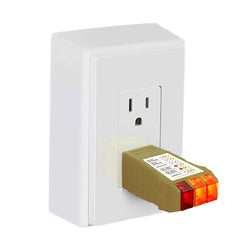
Indoor grounding uses conductive materials connected to the earth via a grounded wall outlet or a grounding electrode system that connects conductors to a deep metal rod in the earth. This lets you ground while sleeping, working, or relaxing - no weather required.
Common earthing products include mats, sheets, and grounding patches. Here's how they work in practice:
-
A typical grounding sheet uses silver- or carbon-infused fabric attached to a grounding cord. Earthing products connect to the ground port of outlets, completing the circuit to the earth.
-
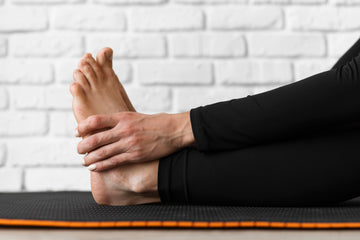
Earthing mats help maintain a connection to the earth's energy during desk work or while watching television. A grounding mat placed under your feet or wrists keeps you grounded for hours without effort.
-
Grounding socks and conductive shoes work outdoors on natural surfaces, extending your grounding time during daily walking.
-
Grounding patches attach directly to the skin and are sometimes used by massage therapists and recovery-focused practitioners.
Most people start with one product, a bed sheet or desk mat - and track changes in sleep, energy, and pain over 2–4 weeks. Grounding systems require a low-impedance path for effective fault current protection, so verify your outlet is properly grounded before plugging in any earthing product. A proper grounding system can trip circuit breakers in fault scenarios, which is a feature of safe wiring - not a defect.
Grounding and Integrative Medicine
Integrative medicine blends conventional care with evidence-informed natural approaches to support the whole person - not just isolated symptoms. Grounding fits naturally into this framework as one of several lifestyle medicine strategies alongside nutrition, sleep hygiene, stress reduction, and movement.
Many functional medicine practitioners now discuss grounding work with patients dealing with chronic inflammation, insomnia, and stress-related conditions. Spending time outdoors enhances overall health and well being, and nature exposure is independently associated with lower blood pressure, improved mood, and stronger immune response. Grounding adds a bioelectrical dimension to the already documented health benefits of being outside.
If you have a pacemaker, insulin pump, or other implanted electronic device, talk with your healthcare provider before using earthing products. For most people, grounding is a low-risk support tool - but it's not a replacement for medical treatment. Open a window and let in fresh air while you practice grounding and you layer two simple, evidence-supported wellness habits together.
How Mental Grounding Complements Physical Earthing
Grounding methods include mental, physical, and soothing methods. In psychology, grounding methods focus on the present moment to calm anxiety - pulling attention away from spiraling thoughts and back into the body.
Grounding in yoga anchors attention in the present moment through breath and posture. You can pair mental and physical earthing for a more complete experience:
-
The 5-4-3-2-1 technique helps refocus attention during grounding exercises: name 5 things you can see, 4 you can feel, 3 you can hear, 2 you can smell, 1 you can taste.
-
The 3-3-3 technique involves identifying three things you see, hear, and touch - a faster version for grounding patients in acute stress moments.
-
Clenching and releasing fists is a physical grounding technique that releases muscular tension and brings awareness back to the body.
Here's an example routine: sit with your feet on a grounding mat or on grass, inhale for 4 seconds, exhale for 6 seconds, and run through the 5-4-3-2-1 scan. This combined approach can help most people shift from racing thoughts to a calm, embodied state within minutes. You'll hear your own breathing slow, feel your focus sharpen, and notice the physical connection under your feet simultaneously.
Who Grounding May Help (and Who Should Be Cautious)
Grounding is low-cost, requires no prescription, and is accessible in some form to nearly everyone. That said, sensible precautions apply.
Likely to benefit:
-
People with high-stress jobs who need to disconnect from mental overload
-
Desk workers who sit all day and rarely have contact with the earth
-
Older adults dealing with joint stiffness or disrupted sleep
-
Athletes wanting faster recovery from training
-
Anyone who struggles to fall or stay asleep
Some people feel changes quickly - within 1–3 nights of grounded sleep - while others notice gradual improvements over several weeks of consistent practice.
Use extra caution:
-
People with implanted electronic devices (pacemakers, deep brain stimulators, insulin pumps) should consult their specialist before grounding with earthing products
-
Ensure your wall outlet is properly grounded; common grounding failures include loose connections and corroded electrodes
-
Avoid DIY grounding setups that don't meet basic electrical safety standards - the risk is real
-
If you have a silver allergy, check sheet materials before purchasing
How to Build a Daily Grounding Routine
Consistency matters more than intensity. A little grounding every day tends to produce better results than a marathon session once a month. Aim for 10 to 30 minutes of grounding daily to start, then build from there.
Weekday plan:
-
Morning: 10 minutes barefoot on grass or soil before your day begins
-
Workday: 15–30 minutes using a grounding mat under your desk. Daily grounding for 30 minutes can improve well being
-
Night: sleep on grounding sheets to stay connected to the earth for 6–8 hours
Weekend variations:
-
Longer barefoot walks in a local park or on a nature trail
-
Gardening sessions with bare hands in soil
-
Beach trips where you walk on sand and wade in water
Track sleep quality, pain levels, mood, and energy in a simple journal or app for at least 2–4 weeks. Pair your grounding habits with other wellness anchors - hydration, light stretching, or a brief meditation - to reinforce the routine and compound the benefits.
Setting Realistic Expectations
Grounding is not a cure-all. It's one essential supportive tool among many for better health and well being - not a replacement for medical care, nutrition, or physical activity.
Results vary. Some people report dramatic improvements in pain or sleep from the first night. Others notice more subtle shifts: a calmer mood, fewer afternoon energy crashes, or gradually waking up without that familiar morning stiffness. More research is needed before mainstream medical guidelines formally adopt grounding as a treatment, but the direction of current evidence is encouraging.
Give any new grounding routine at least 30 days before evaluating. Integrating grounding with sound sleep hygiene, good nutrition, regular movement, and appropriate medical care offers the best path to meaningful, lasting improvements. Our natural bodies evolved in contact with the earth - rebuilding that connection is a small change with the potential for outsized returns.








 Shoes
Shoes
 Boots
Boots
 Sandals & Clogs

 Shoes
Shoes
 Boots
Boots
 Sandals & Clogs