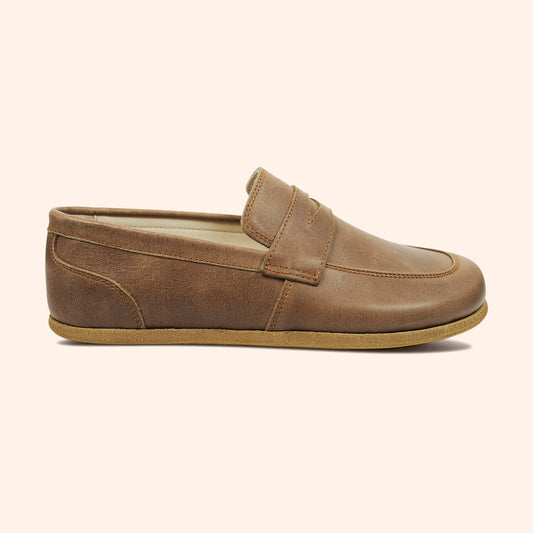
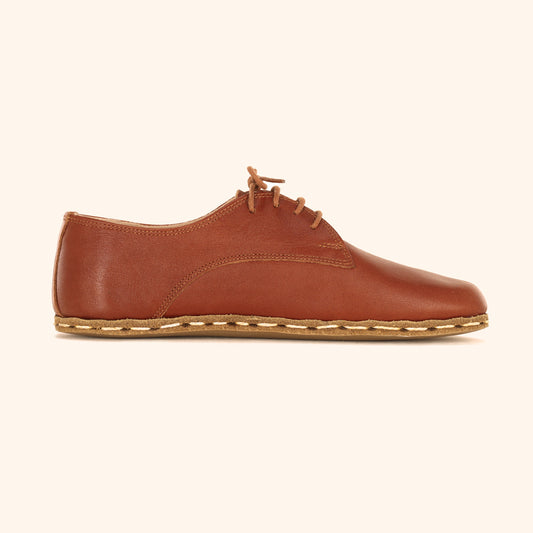
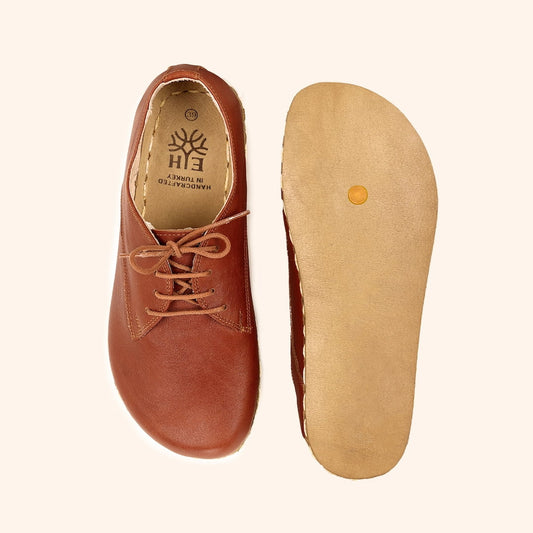
Barefoot shoes are designed to help your feet move naturally. They support the natural shape of your feet instead of squeezing your toes like traditional shoes.
Most barefoot shoes include:
• Wide toe box design
• Flexible sole movement
• Thin soles for ground feel
• Flat sole balance
• Shoes lightweight enough for all day wear
• Soft natural materials
• Breathable comfort
Many women say barefoot shoes feel like a second skin because the fit feels so natural and easy.
Why Women Love Barefoot Shoes
Women want shoes that feel good and look beautiful. Barefoot shoes now offer both comfort and style.
Women love barefoot shoes because they support:
• Natural movement
• Toe splay
• Better walking comfort
• Everyday wear
• Stylish casual sneakers
• Healthy foot shape
• Better toe space
Many women also enjoy how barefoot sneakers help feet breathe during long days.
The Problem With Traditional Shoes
Traditional shoes often squeeze the toes and change the natural shape of the foot. Many shoes use narrow toe areas that limit movement.
Common problems with traditional shoes include:
• Tight toe box tapers
• Narrower fit
• Thick heel shape
• Stiff soles
• Limited toe splay
• Heavy cushion
• Less ground feel
Over time, tight shoes may make feet feel tired and uncomfortable.
Barefoot shoes offer a more natural footwear choice.
Why Wide Toe Box Comfort Matters
A wide toe box gives your toes room to spread naturally. This supports better balance and movement.
Benefits of a wide toe box include:
• Better comfort
• Better toe splay
• Less pressure on the pinky toe
• More natural foot shape
• Better movement during walking
Many women with wide feet love barefoot shoes because they finally have enough toe space.
Women with narrow feet can also enjoy barefoot footwear because many women’s models include adjustable fit options.
Barefoot Shoes Support Natural Movement
Your body was designed for natural movement. Barefoot shoes help support that natural walking style.
Barefoot footwear allows:
• Flexible movement
• Better balance
• Natural posture
• Better foot strength
• Improved ground feel
• More freedom during walking
Many women say walking barefoot or wearing barefoot alternative shoes feels relaxing and natural.
What Makes Great Barefoot Shoes?
Great barefoot shoes combine comfort, style, and flexibility.
The best barefoot shoes often include:
Flexible Sole
A flexible sole bends easily with your feet. This helps support natural movement.
Benefits include:
• Better walking comfort
• Better movement
• More barefoot feel
• Easier foot motion
Thin Soles
Thin soles help you feel the ground beneath your feet.
Many women enjoy:
• Better balance
• Natural walking feel
• More body awareness
• Better movement control
Natural Shape Design
Barefoot shoes follow the natural shape of your feet instead of forcing your toes into narrow spaces.
This supports:
• Healthy toe space
• Better toe splay
• Natural comfort
• Relaxed feet
Barefoot Shoes for Different Foot Volumes
Not all feet are the same. Some people have low volume feet. Others have high volume feet.
The best barefoot brands now design shoes for different foot volumes.
This helps women find:
• Better fit
• Better comfort
• Better support
• Better movement
Women with low volume feet may prefer a narrower fit. Women with high volume feet often enjoy extra toe space and adjustable styles.
Why Barefoot Sneakers Are So Popular
Barefoot sneakers combine natural movement with modern fashion. They are now one of the top footwear trends in the barefoot world.
Women love barefoot sneakers because they are:
• Stylish
• Lightweight
• Flexible
• Easy to wear
• Great for casual wear
• Perfect for everyday wear
Stylish barefoot sneakers now work with:
• Jeans
• Dresses
• Shorts
• Leggings
• Casual outfits
Why Feet Need Toe Space
Your toes need room to move. Tight shoes often reduce natural movement.
Good toe space supports:
• Better balance
• Better walking comfort
• Natural foot shape
• Better toe splay
• Less pressure on the pinky toe
Women often notice the difference quickly after switching to barefoot shoes.
Barefoot Feel Without Walking Fully Barefoot
Many women love the barefoot feel but still want protection outdoors. Barefoot shoes provide a simple solution.
They allow:
• Better ground feel
• Flexible movement
• Natural walking
• Light protection on slippery surfaces
You enjoy freedom while still wearing shoes.
Minimalist Shoes for Everyday Life
Minimalist shoes are simple, lightweight, and flexible. They remove extra bulk found in traditional shoes.
Women choose minimalist shoes because they are:
• Easy to wear
• Stylish
• Comfortable
• Lightweight
• Great for travel
• Perfect for casual wear
Many minimalist shoes also use natural materials for added comfort.
Natural Materials Feel Better
Natural materials help shoes feel soft and breathable.
Many barefoot brands use:
• Soft leather
• Breathable mesh
• Flexible fabric
• Lightweight materials
Natural footwear often feels cooler and more comfy during long days.
Feet breathe better in flexible and breathable shoes.
Why Women Love Shoes Lightweight Enough for Daily Wear
Heavy shoes can make walking feel tiring. Shoes lightweight enough for daily use help women stay active and comfortable.
Benefits include:
• Easier movement
• Better comfort
• Less foot fatigue
• Better walking experience
Women often wear barefoot sneakers all day because they feel light and easy.
Barefoot Shoes and Everyday Fashion
Barefoot shoes are now more stylish than ever. Women no longer need to choose between health and fashion.
Modern women’s models now include:
• Stylish barefoot sneakers
• Casual sneakers
• Minimalist shoes
• Slip on styles
• Athletic inspired footwear
Barefoot fashion now fits many lifestyles.
Why Reviewing Barefoot Shoes Professionally Matters
Many people today spend time reviewing barefoot shoes professionally before buying. This helps shoppers compare styles, fit, and comfort.
Professional reviews often look at:
• Toe box comfort
• Flexible sole movement
• Ground feel
• Shoes lightweight design
• Breathable mesh quality
• Different foot volumes
• Everyday wear comfort
Learning about barefoot features helps women choose the right pair.
Why Toe Splay Is Important
Toe splay means your toes spread naturally while walking. This helps support natural balance and movement.
Good toe splay supports:
• Better stability
• Better movement
• Better walking comfort
• Natural posture
Many traditional shoes limit toe splay because the toe box tapers too much.
Barefoot shoes help your feet move naturally again.
Barefoot Shoes for Walking Comfort
Walking should feel easy and relaxing. Barefoot shoes help support more natural walking movement.
Women love barefoot shoes for:
• Daily walks
• Travel
• Shopping
• Casual wear
• Outdoor fun
• Everyday errands
Flexible shoes help you feel the ground beneath your feet more naturally.
Why Breathable Mesh Matters
Breathable mesh keeps feet cooler during long days.
Benefits include:
• Better airflow
• Better comfort
• Feet breathe more easily
• Less heat during walking
Many women choose breathable mesh barefoot sneakers for warm weather and active days.
Removable Insoles Add More Flexibility
Some barefoot shoes include removable insoles. This helps women customize fit and comfort.
Benefits include:
• Better adjustment for foot volumes
• More room for high volume feet
• Better fit for low volume feet
• Easy comfort changes
This makes barefoot shoes more versatile for many women.
Barefoot Shoes Help Support Natural Foot Shape
Your feet have a natural shape. Barefoot footwear supports that shape instead of changing it.
Benefits include:
• Better toe space
• Better balance
• Natural movement
• Better comfort during everyday wear
Women often notice their feet feel more relaxed after switching from traditional shoes.
Why Barefoot Shoes Feel Like a Second Skin
Many women describe barefoot shoes as feeling like a second skin.
This happens because the shoes are:
• Flexible
• Lightweight
• Soft
• Natural feeling
• Easy to move in
Good barefoot footwear moves with your feet instead of fighting against them.
Great Barefoot Shoes for Wide Feet
Women with wide feet often struggle to find comfy shoes. Barefoot shoes usually provide more room and comfort.
Wide toe box design helps support:
• Better comfort
• Less pressure
• Better toe splay
• Relaxed movement
Many women finally feel relief after trying barefoot style shoes.
Barefoot Shoes for Narrow Feet
Women with narrow feet can also enjoy barefoot footwear.
Some styles offer:
• Adjustable laces
• Narrower fit options
• Removable insoles
• Better flexibility for different foot volumes
The key is finding the right women’s models for your needs.
Barefoot Alternative to Bulky Footwear
Many women now want a barefoot alternative to heavy and stiff footwear.
Barefoot shoes offer:
• Flexible movement
• Lightweight comfort
• Natural shape support
• Better ground feel
• Stylish everyday wear
They help daily life feel easier and more natural.
Slippery Surfaces and Better Flexibility
Flexible shoes can help improve natural movement on slippery surfaces because your feet move more naturally.
Many women enjoy:
• Better balance
• Better flexibility
• Better movement awareness
Thin soles help improve connection with the ground beneath your feet.
Why Earthing Harmony’s Barefoot Shoes Stand Out
Earthing Harmony Barefoot Shoes Women Shop offers stylish barefoot shoes for women who want comfort, fashion, and natural movement together.
Women love these shoes because they include:
• Wide toe box comfort
• Stylish casual sneakers design
• Flexible sole movement
• Breathable materials
• Lightweight comfort
• Everyday wear versatility
The collection works beautifully for modern women across the USA.
Tips for Choosing the Best Barefoot Shoes
Finding the best barefoot shoes becomes easier when you know what to look for.
Check Toe Space
Your toes should move freely inside the shoe.
Look for Flexible Sole Comfort
The sole should bend naturally with your feet.
Think About Foot Volumes
Choose styles that work for your foot shape and comfort needs.
Choose Lightweight Styles
Shoes lightweight enough for daily life often feel more comfortable.
Pick Versatile Designs
A versatile shoe works with many outfits and activities.
Why More Women Choose Barefoot Shoes Today
The barefoot world continues to grow because women want:
• Natural movement
• Better comfort
• Stylish fashion
• Better toe space
• Lightweight footwear
• Everyday versatility
Barefoot shoes now fit modern life beautifully.
Enjoy Natural Comfort Every Day
Your feet deserve freedom. Your toes deserve space. Your body deserves natural movement.
Barefoot shoes for women combine:
• Stylish fashion
• Natural shape support
• Flexible movement
• Lightweight comfort
• Wide toe box design
• Everyday wear versatility
Whether you want barefoot sneakers, minimalist shoes, or casual wear styles, you can find beautiful options that feel natural and comfy all day.
Explore the full collection at Earthing Harmony Barefoot Shoes Women Collection and discover a better way to walk, move, and live naturally.





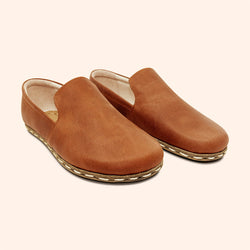 Shoes
Shoes
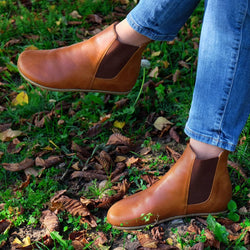 Boots
Boots
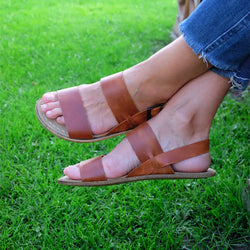 Sandals & Clogs
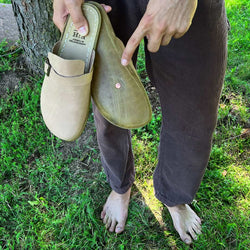
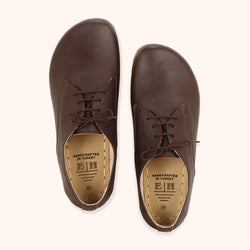 Shoes
Shoes
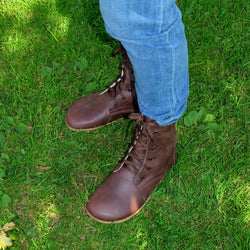 Boots
Boots
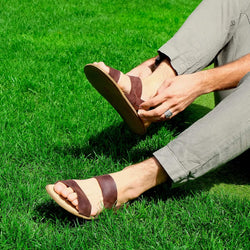 Sandals & Clogs