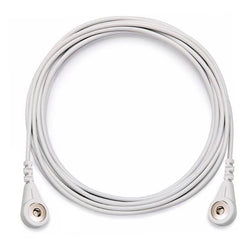
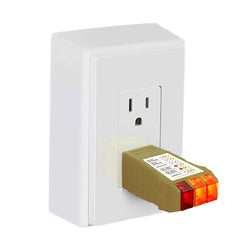
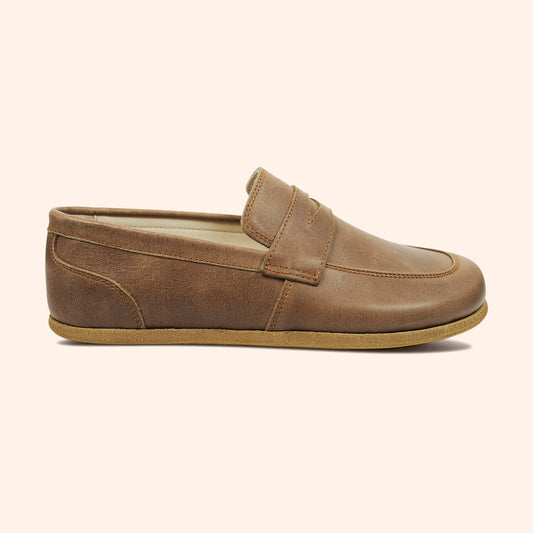
Grounding shoes are footwear designed to maintain electrical contact between the body and the earth. They allow the body to remain connected to the ground even while wearing shoes.
Unlike normal shoes that insulate the feet from the ground, grounding shoes include grounding technology that allows electrons from the earth to travel through the shoe and into the body.
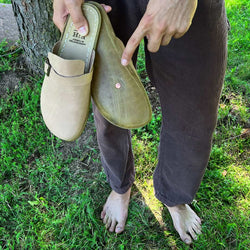
Many earthing shoes use conductive components such as a copper rivet or grounding plugs that connect the outsole to the foot.
This grounding connection allows the body to remain connected with the earth during daily activities.
The Concept Behind Earthing
The idea behind earthing is simple.
The earth carries a natural electrical charge that contains electrons. When the body makes contact with the ground, these electrons can move between the earth and the body.
This natural exchange may support balance within the body.
Some researchers believe grounding may influence the circadian rhythm and support better sleep. Many people also report feeling calmer and more balanced when they spend time grounded outdoors.
Earthing shoes make this possible without walking barefoot on rough surfaces.
Why Barefoot Style Shoes Matter
Most grounding shoes follow a barefoot style design. This type of footwear allows the feet to move naturally while maintaining ground contact.
A barefoot style structure usually includes:
• flexible outsole
• minimal cushion
• zero drop construction
• natural ground feel
This design allows your feet to function more naturally compared to traditional shoes.
Barefoot shoes also encourage natural movement and improve balance while walking.
Key Features of the Best Grounding Shoes
The best grounding shoes share several important features that support both grounding functionality and comfort.
Grounding Technology
High quality earthing shoes include grounding technology that maintains electrical contact with the ground.
This technology often includes:
• copper rivet grounding systems
• conductive plugs
• conductive outsoles
These elements allow electrons from the earth to travel through the shoe.
Wide Toe Box
A wide toe box allows the toes to spread naturally.
This extra space improves balance and allows the feet to move freely while walking.
Many podiatrist recommendations emphasize that a wide toe box helps maintain healthy foot movement.
Zero Drop Design
Most grounding shoes use a zero drop design.
This means the heel and forefoot remain level, which mimics natural barefoot posture.
Zero drop footwear supports natural alignment of the body and encourages proper walking movement.
Flexible Outsole
A flexible outsole helps maintain natural ground feel.
Flexible shoes allow your feet to respond naturally to the ground while walking, hiking, or jogging.
Minimal cushion allows the wearer to feel the surface beneath them while still providing protection.
Different Types of Grounding Footwear
Grounding footwear is available in several styles to suit different activities.
Grounding Sneakers
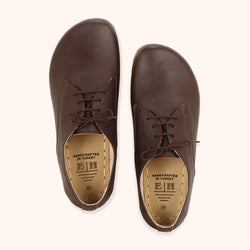
Grounding sneakers combine grounding technology with everyday comfort.
Many grounding sneakers feature breathable materials, flexible soles, and minimalist design.
These sneakers are suitable for walking, jogging, or everyday wear.
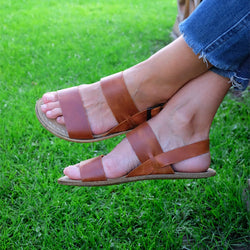
Grounding Sandals
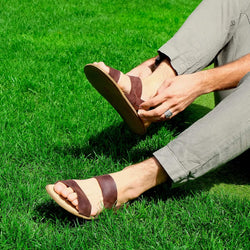
Grounding sandals are one of the simplest forms of earthing footwear.
Because they expose more of the foot, many people feel grounding sandals provide a stronger connection with the earth.
These sandals are often used for walking on natural surfaces or relaxing outdoors.
Grounding Boots
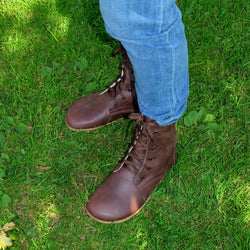
Grounding boots offer additional protection for cooler climates or rugged environments.
Some boots include grounding technology while maintaining durability for hiking and outdoor exploration.
Boots provide protection while still allowing grounding connection through the outsole.
Grounding Shoes vs Barefoot Shoes
Barefoot shoes and grounding shoes are often confused.
Barefoot shoes focus mainly on natural movement and ground feel.
Grounding shoes are designed to maintain electrical contact with the earth.
Some footwear combines both concepts by using barefoot style design with grounding technology.
This combination allows people to experience both natural movement and earthing benefits.
Comfort and Everyday Wear
Many people choose grounding shoes because they provide comfortable everyday footwear.
Earthing shoes are designed for walking, working, and spending long days on your feet.
Features that support comfort include:
• breathable materials
• flexible outsole
• soft leather construction
• natural barefoot feel
These features help the shoes remain comfy for daily wear.
Many people say grounding shoes feel great compared to traditional shoes.
Grounding Shoes for Outdoor Activities
Grounding footwear is often used for outdoor activities.
Some people wear grounding shoes while:
• walking in parks
• hiking trails
• jogging outdoors
• spending time in nature
Because grounding shoes allow contact with the ground, they work best on natural surfaces.
Walking on soil, sand, or grass allows the body to stay connected with the earth.
The Benefits of Grounding
People explore grounding shoes because they believe grounding may offer several benefits.
Possible benefits may include:
• improved sleep quality
• support for circadian rhythm
• reduced stress levels
• improved balance and mobility
Some people also report increased energy and better recovery after spending time grounded.
While research continues, many people simply enjoy the natural feeling of walking connected with the earth.
Ground Feel and Natural Movement
One of the biggest differences between grounding shoes and normal shoes is ground feel.
Ground feel refers to the ability to sense the surface beneath your feet.
A thinner outsole allows the feet to feel the ground more clearly.
This natural feedback improves balance and walking efficiency.
Many walkers say grounding shoes provide greater freedom of movement.
Tips for Transitioning to Grounding Shoes
If you are new to barefoot style footwear, it may take time for your feet to adjust.
Transitioning gradually can help avoid discomfort.
Some helpful tips include:
• start with short walks
• allow your feet time to strengthen
• wear grounding shoes for limited periods at first
Over time your feet may adapt to the barefoot style movement.
Many walkers find that their mobility improves with regular use.
Choosing the Right Pair
When selecting the best grounding shoes, consider several factors.
Look for footwear that suits your lifestyle and daily activities.
Important factors include:
• shoe style
• outsole design
• fit and comfort
• materials such as leather
• grounding technology
Reading customer reviews can also help you choose the right pair.
The Harmony Between Body and Earth
Many grounding enthusiasts describe a sense of harmony when they reconnect with the earth.
Walking outdoors, feeling the ground beneath your feet, and spending time in nature can create a calming experience.
Grounding shoes allow people to stay connected with the earth while still enjoying modern footwear.
This balance between protection and natural connection is one reason grounding footwear continues to grow in popularity.






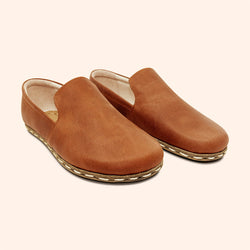 Shoes
Shoes
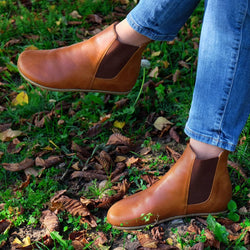 Boots
Boots
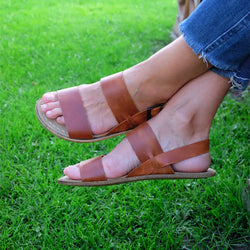 Sandals & Clogs
 Shoes
Shoes
 Boots
Boots
 Sandals & Clogs