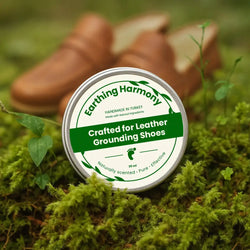
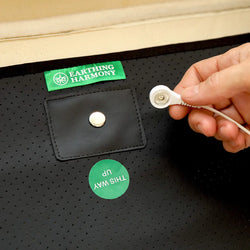
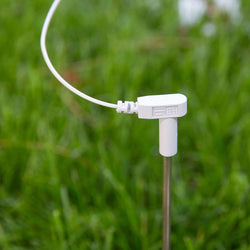
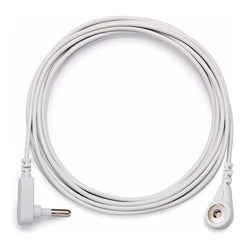
Grounding shoes, sometimes called earthing shoes, are designed to create a direct electrical connection between your body and the earth while still giving the protection and comfort of shoes.
Unlike regular shoes, which often insulate the body from the ground, grounding footwear uses conductive elements built into the soles to support electron flow from the earth into the body.
The concept is simple.
When you walk on a conductive surface such as soil, grass, sand or unsealed concrete, the shoes may help transfer free electrons from the earth into the body.
That is the grounding effect people are seeking.
Why Grounding Matters for Active Recovery
One reason earthing shoes have attracted attention among active people is recovery.
Some research suggests grounding may help support lower markers of chronic inflammation, reduce oxidative stress, and support circulation.
People interested in recovery often point to possible benefits such as:
- Support for muscle recovery after long days
- Potential relief from minor pain or soreness
- Better sleep and cortisol regulation
- Reduced stress load on the body
Some people say they simply feel great after a walk outdoors in grounding footwear.
That combination of movement and nature can be powerful in itself.
How Grounding Technology Works
Grounding shoes work through conductive pathways built into the footwear.
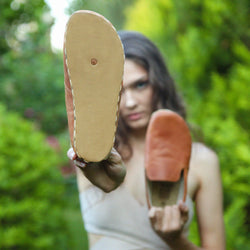
Many grounding sneakers use conductive materials such as carbon or copper in the soles, helping create electron flow when in contact with the earth.
The technology varies by brand, but the principle is similar.
Maintain connection.
Support transfer.
Stay grounded.
Some people imagine grounding technology as something complex, but the underlying concept is surprisingly simple.
It is really about restoring contact many people have lost in modern life.
Why Barefoot Design Often Matters Too
Many grounding shoes borrow from barefoot design.
That often means:
- Wide toe box for natural toe spread
- Zero drop footbed with heel and forefoot level
- Flexible soles for natural function
- Minimalist construction for better ground feel
These features can support balance, foot strength and natural movement.
For active people, that can matter just as much as conductivity.
Some people are drawn to grounding through barefoot principles first.
Others discover the barefoot benefits later.
Grounding Sneakers vs Regular Shoes
Most sneakers prioritize cushion, structure and support.
Grounding sneakers often take a different path.
Many aim for a blend of:
- Conductive function
- Barefoot inspired movement
- Breathable materials
- Everyday style
That does not mean extra cushion is bad.
Some people prefer cushioned transitional grounding sneakers.
Others prefer minimalist models.
There is room for both.
The best pair depends on what suits your body and lifestyle.
Choosing Grounding Shoes for Active Lifestyle
When selecting grounding shoes for active lifestyle use, comfort and functionality matter.
Things worth considering:
- Do they fit comfortably for long days?
- Is the toe box roomy enough?
- Do the insoles feel supportive for your needs?
- Are the materials breathable?
- Does the style suit everyday wear as well as activity?
People often overlook materials.
But leather, wool blends, or breathable natural fabrics can make a difference, especially when you wear shoes for extended periods.
Leather, Natural Materials and Breathability
Many people drawn to grounding footwear care about natural materials.
Leather remains popular because it can be durable, breathable and comfortable once broken in.
Some customers prefer handmade leather grounding shoes for their classic look.
Others look for breathable sneakers using lighter materials.
Some prioritize vegan options.
There is no single right choice.
What matters is finding a pair you actually enjoy wearing.
Should You Wear Socks With Grounding Shoes?
People ask this constantly.
Some wear socks.
Some do not.
Some conductive socks exist as well.
For strongest contact, many prefer minimal barriers.
But comfort matters too.
Some people use socks for long days, colder weather, or fit reasons.
There is no universal rule.
Are Grounding Shoes Good for You?
For many people, they may be.
Possible benefits people explore include:
- Support for balance and foot function
- Recovery support through grounding effect
- Potential sleep support
- Reduced stress load
- Better harmony between movement and recovery
Some people also feel grounding helps them reconnect with nature in a meaningful way.
That matters too.
What Shoes Do Podiatrists Say Not to Wear?
This question often comes up in barefoot discussions.
Many podiatrists tend to criticize shoes that are extremely narrow, unstable or overly rigid.
That concern often overlaps with why some people explore barefoot inspired grounding footwear.
At the same time, some practitioners may caution abrupt transitions into highly minimalist shoes.
That is fair, but context matters.
How Long Should You Wear Grounding Shoes?
There is no perfect number.
Some people begin with short walks.
Others wear grounding shoes most of the day.
A practical starting point could be:
- Daily walks outdoors
- Activity sessions followed by recovery walks
- Gradually increasing wear time
Consistency often matters more than duration.
Grounding tends to work more like a habit than a timed protocol.
Grounding Shoes and Balance for Active Movement
Balance is one area many people notice.
Wide toe box design, natural function and ground feel may support a more stable base.
That can feel useful during:
- Walking
- Hiking
- Light running
- Day to day movement
Some people feel this contributes to harmony in the whole body.
Style, Fashion and Everyday Wear
There was a time grounding shoes were not exactly stylish.
That has changed.
Today there are grounding sneakers, leather shoes and sandals with real style.
Some are sporty.
Some have a cool shoe aesthetic.
Some are sleek enough to suit everyday fashion.
That matters because the pair you wear often is usually the pair that supports a real grounding practice.
Comfort for Long Days on Your Feet
Comfort matters when you wear shoes all day.
Some people want super comfy cushioned models.
Others want minimal ground feel.
Some prefer removable insoles.
Others prefer simple barefoot construction.
There is no single formula.
The right pair often comes down to what feels natural to your feet.
And yes, a pair can be both comfy and functional.
What About Arch Support?
Some grounding shoes include moderate arch support.
Others are much more minimal.
This often depends on the brand.
Some customers with sensitivity or pain prefer a bit more cushion and support.
Others feel best in very minimal footwear.
Again, what suits your body matters.





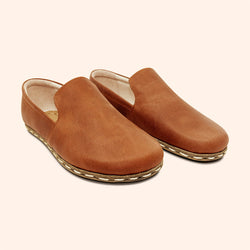 Shoes
Shoes
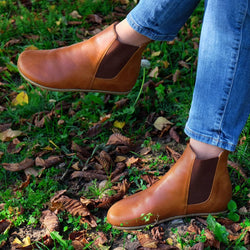 Boots
Boots
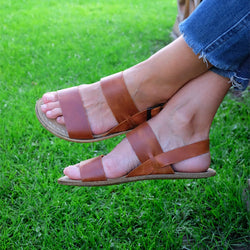
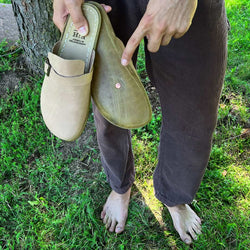
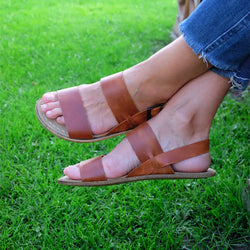 Sandals & Clogs
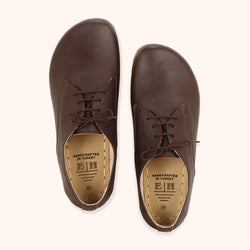 Shoes
Shoes
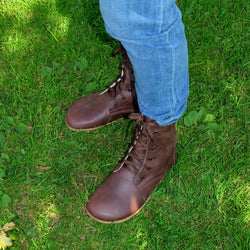 Boots
Boots
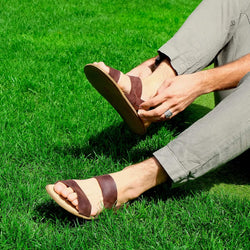 Sandals & Clogs