People often ask this first.
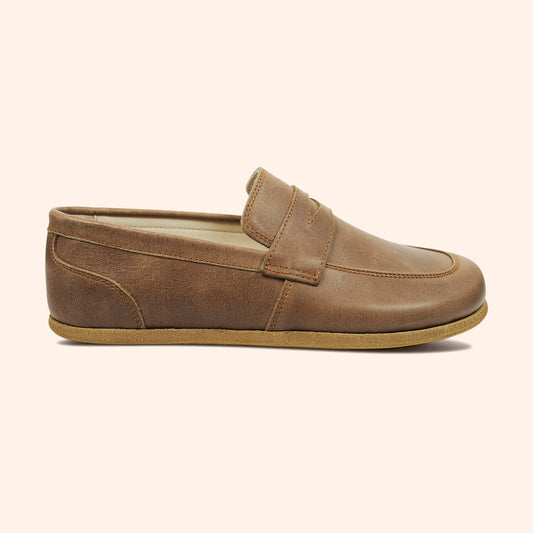
Generally, the best grounding shoes combine conductive function, natural foot design and genuine comfort.
People often look for:
- Conductive soles or conductive elements
- Wide toe box design
- Zero drop alignment
- Flexible outsole construction
- Breathable materials like leather or natural fabrics
A good pair should support both connection with the ground and everyday wear.
Many people also prefer lightweight models because heavy shoes can feel tiring over time.
Are There Shoes That Keep You Grounded?
Yes, that is exactly what earthing shoes are designed to do.
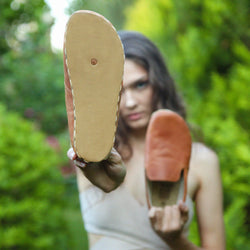
Grounding shoes often use conductive materials such as carbon infused rubber, copper rivets, or silver based systems built into the soles.
When walking on conductive natural surfaces like dirt, grass or some unsealed ground, those materials may support the flow of electrons from the earth into the body.
That is the grounding concept.
Some people come to it through curiosity.
Others through health questions.
Others simply because they love the blend of barefoot footwear and grounding.
Why Lightweight Matters
Weight changes how a shoe feels.
Lightweight grounding shoes can feel less bulky, more natural and often more enjoyable for walking.
That can matter whether you spend time in town, travel often, or simply prefer casual sneakers that do not feel heavy.
Many lightweight models prioritize:
- Soft flexible uppers
- Minimal construction
- Thin soles for ground feel
- Lower overall mass than most sneakers
For some people, that creates what feels like unparalleled comfort.
Grounding Technology and the Body
Grounding technology often sounds technical, but the idea is fairly simple.
Support contact.
Support electron flow.
Support harmony between body and earth.
Some research has explored whether grounding may support:
- Reduced stress
- Better sleep and circadian rhythm support
- Circulation and heart rate variability
- Recovery after activity
Some people also explore grounding for chronic discomfort or general health support.
That does not mean every claim is settled science.
But the research has sparked real interest.
Why Barefoot Design Often Goes With Grounding
Many grounding sneakers borrow heavily from barefoot shoes.
That often includes:
- Wide toe box for natural toe spread
- Zero drop construction
- Flexible soles
- Minimal or removable insole options
These features support natural movement and often improve ground feel.
Some people come for grounding and stay for the barefoot benefits.
That happens a lot.
Wide Toe Box, Ground Feel and Foot Function
The wide toe box is often one of the first things people notice.
Toes have room.
The foot can spread.
Walking can feel more stable.
This can matter for:
- Comfort during long days
- Balance
- Natural gait mechanics
- Reducing pressure from cramped other shoes
Many barefoot shoes use this foot shaped box design intentionally.
And once people adjust, many do not want to go back.
Grounding Sneakers vs Other Shoes
Grounding sneakers differ from other shoes in both purpose and feel.
Many regular sneakers prioritize:
- Extra cushioning
- Thick cushioned soles
- Heavier construction
- Elevated heel geometry
Grounding sneakers often prioritize:
- Ground connection
- Flexibility
- Lightweight feel
- Barefoot inspired function
That is a different philosophy.
Neither is automatically right for everyone.
But for people drawn to minimal natural footwear, it can feel compelling.
Leather, Suede and Natural Materials
Materials matter more than people sometimes think.
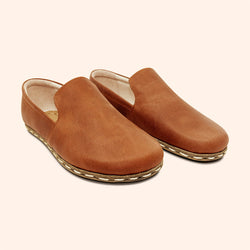
Many grounding shoe company lines use leather, suede or other natural materials for a reason.
They can be:
- Breathable
- Durable
- Soft once broken in
- Stylish for casual wear
Some people prefer real leather.
Others prefer handmade vegan options.
Some want a classic look.
Others want sporty sneakers.
There is room for both.
Grounding Sandals, Sneakers and Boots
Lightweight grounding shoes do not only mean sneakers.
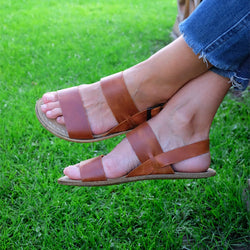
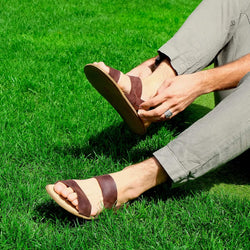
Some people prefer sandals.
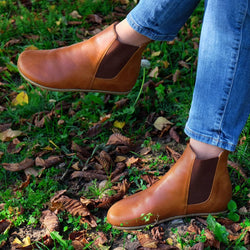
Some like low profile boots for colder days.
Some want casual grounding sneakers they can wear to the gym or while jogging.
Different footwear suits different lives.
And that is worth remembering.
What Is the 3 Shoe Rule?
People sometimes mention the 3 shoe rule in relation to healthy footwear rotation.
The basic idea is simple.
Rotate among a few pairs rather than wearing one pair constantly.
That may help:
- Extend durability
- Let materials breathe
- Vary loading patterns on the foot
Some apply this with a pair of grounding sneakers, sandals and boots.
It is not a rigid rule, more of a practical principle.
What Shoes Do Podiatrists Say Not to Wear?
Many podiatrists tend to caution against shoes that are extremely narrow, unstable or rigid.
Very tight fashion shoes, overly elevated heel designs, and poorly fitting shoes often come up.
Interestingly, some of those concerns overlap with why people explore barefoot shoes and grounding footwear.
Choosing Your First Pair
If this is your first order, keep it simple.
Look for:
- Wide toe box
- Moderate zero drop transition
- Flexible outsole
- Good quality materials
- Style you actually want to wear
And check fit carefully.
Women’s sizes and men’s sizes may vary.
People with high arches may value removable insole options.
And if between sizes, pay attention to fit notes.
Socks or No Socks?
People ask this all the time.
Some grounding brands suggest wearing grounding shoes without socks for maximum conductivity.
Others wear socks for comfort.
Some use thin socks.
Some wear socks only in colder days.
It depends on the shoe, the climate and your preference.





 Shoes
Shoes
 Boots
Boots
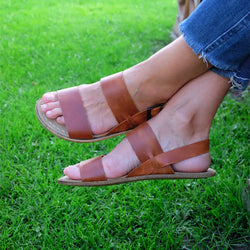 Sandals & Clogs
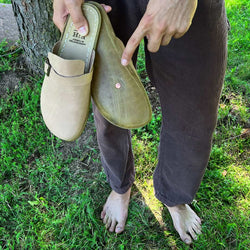
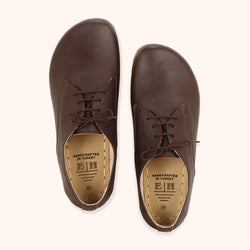 Shoes
Shoes
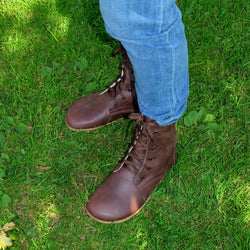 Boots
Boots
 Sandals & Clogs