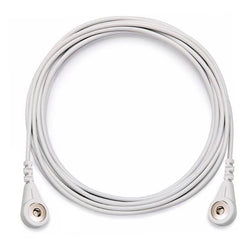
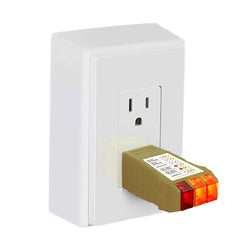
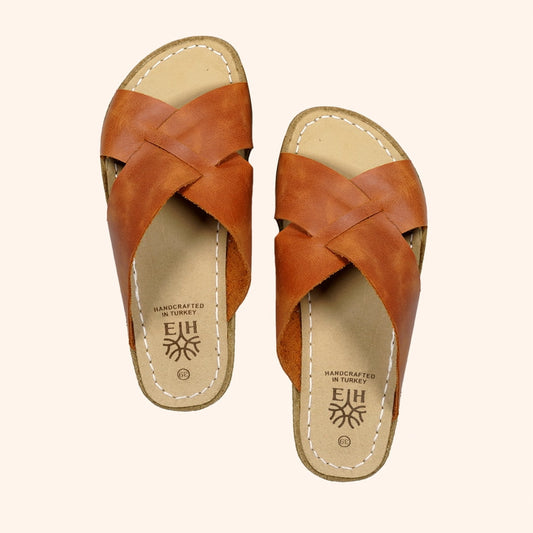
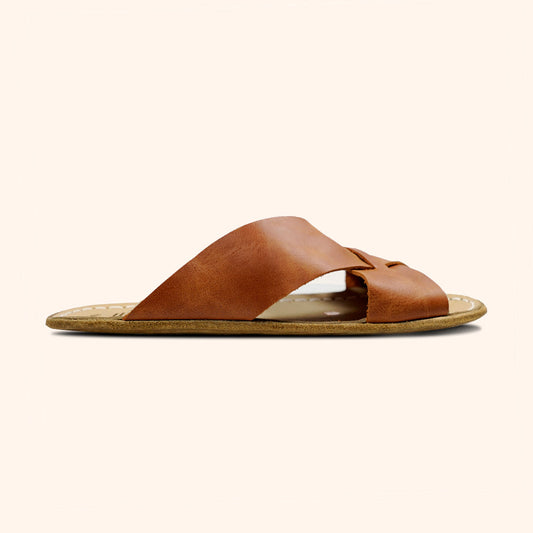
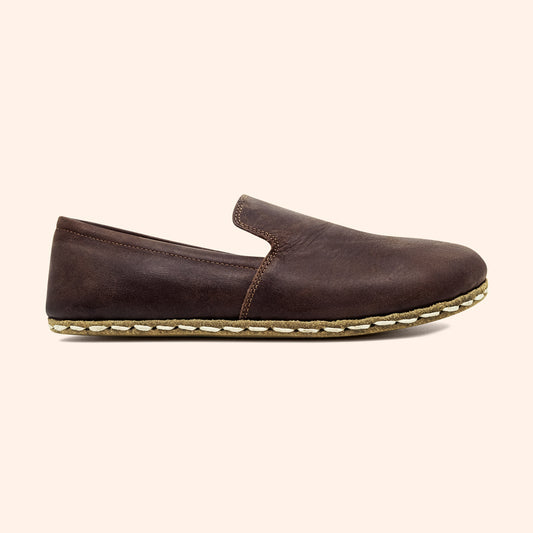
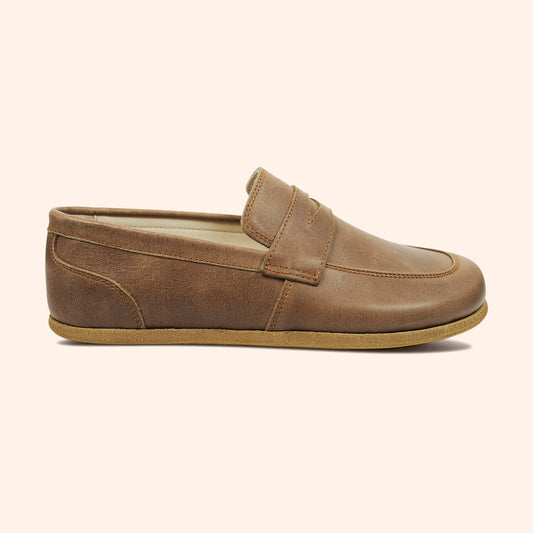
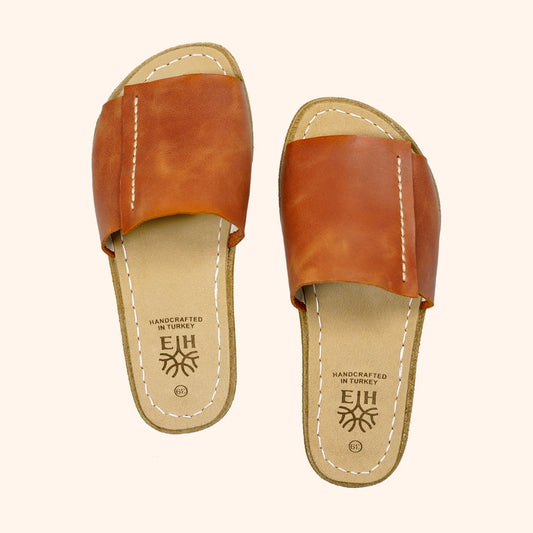
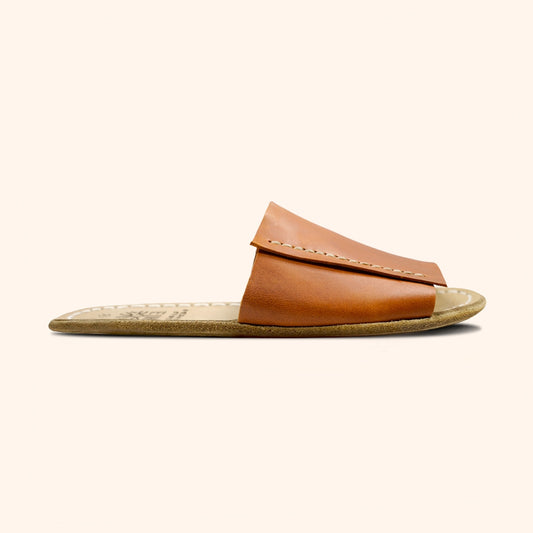
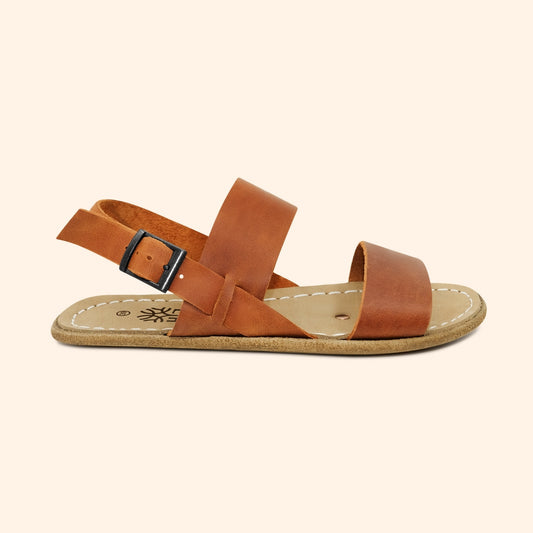
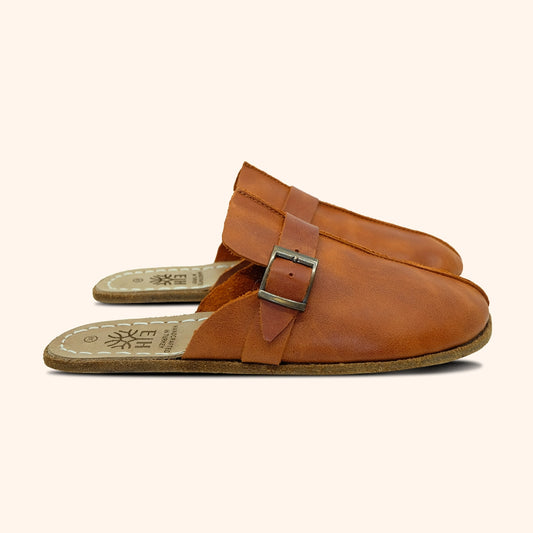
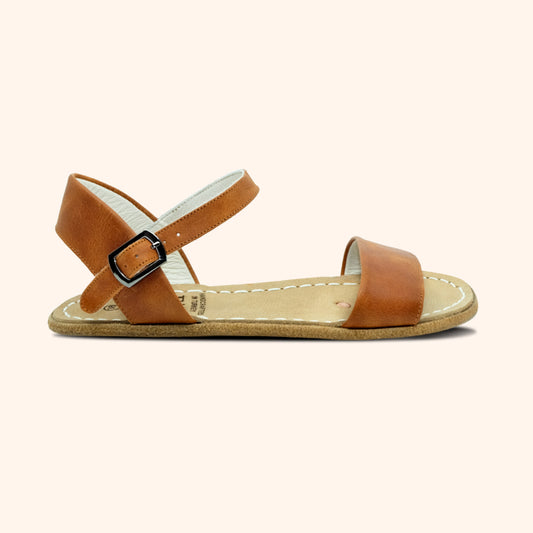
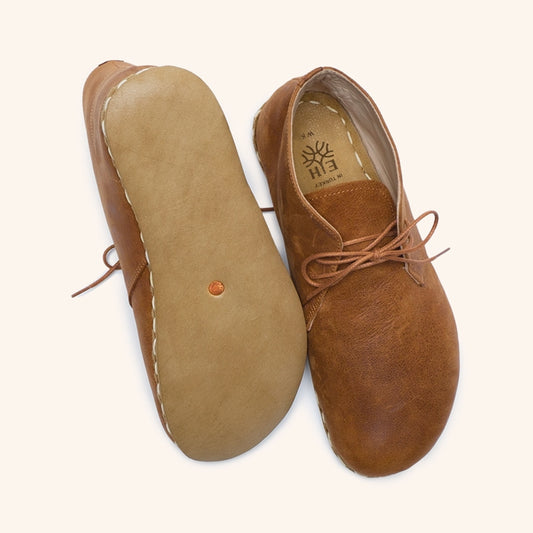
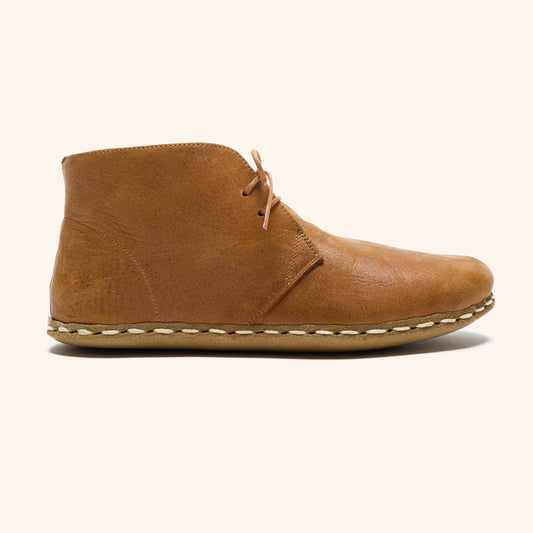
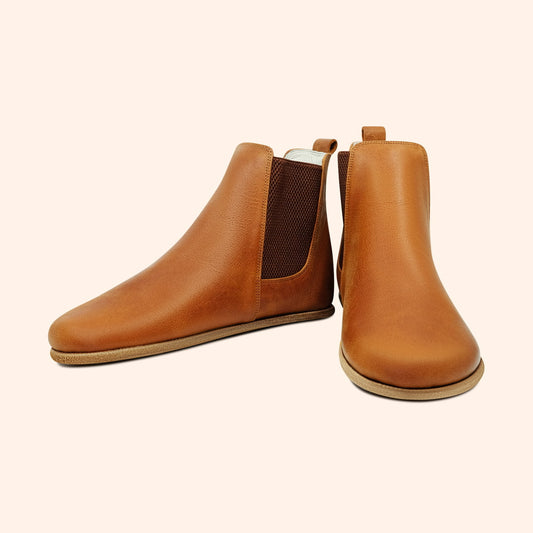
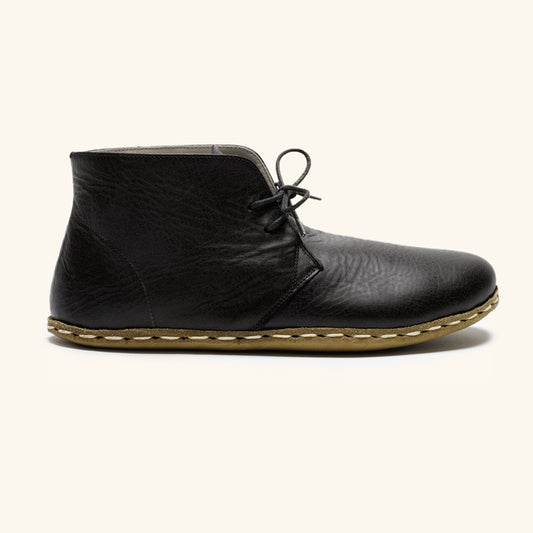
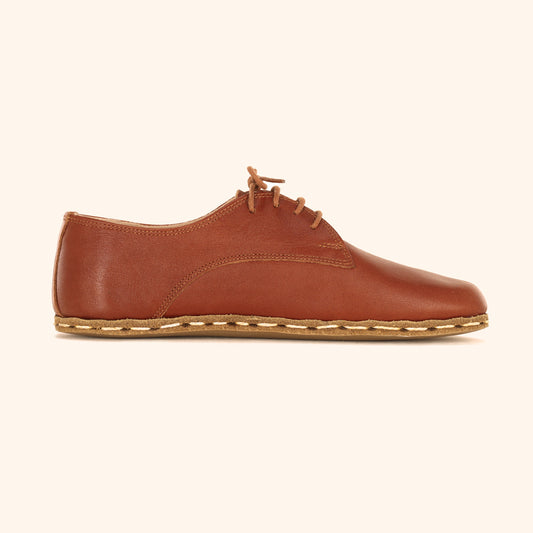
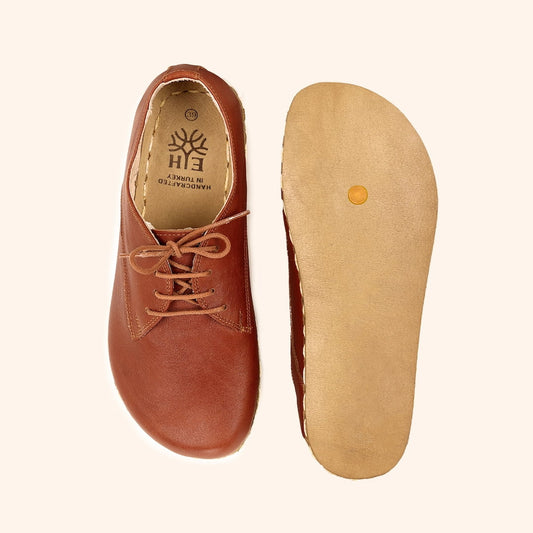
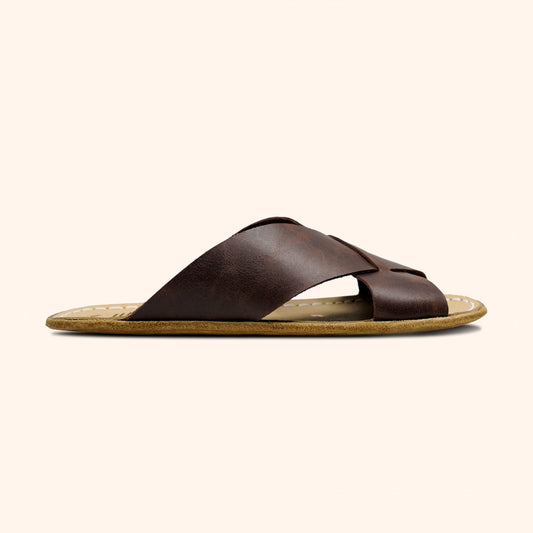
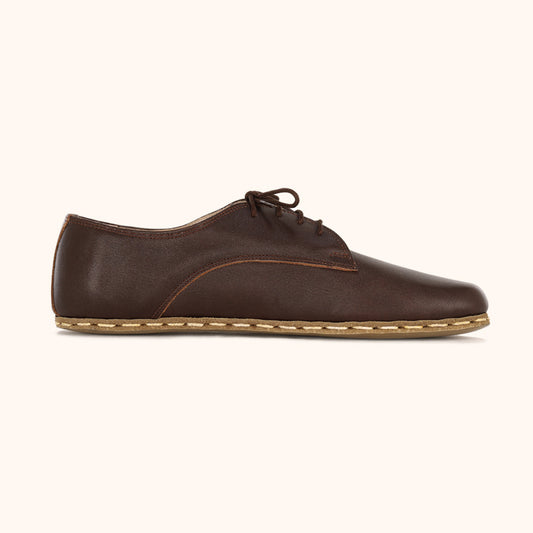
Whether you're staying active or relaxing at home, there's a grounding shoe style for every moment.
Everyday Grounding Shoes
Slip-on styles and loafers make it easy to stay electrically grounded throughout the day without sacrificing appearance. These earthing shoes feature conductive soles that let electrons flow freely from the earth into your body while you run errands, commute, or meet friends.
The barefoot-inspired designs use thin, flexible soles that promote natural foot movement, so wearing them feels intuitive rather than unusual. Pair your everyday grounding shoes with regular clothing for seamless integration - most people won't notice the difference between these and conventional footwear, yet you'll maintain a connection to the ground with every step you walk.
Active & Outdoor Grounding Footwear
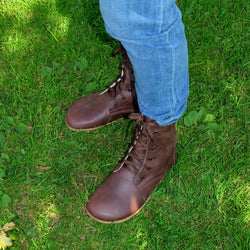
Hiking boots and athletic shoes built with grounding technology let you stay connected to nature during trail running, gardening, and outdoor adventures. These rugged designs use carbon-infused rubber or copper rivet systems to maintain earth connection even during vigorous movement.
Grounding shoes protect feet from thorns and rough terrain while allowing grounding - a crucial consideration for anyone who loves the outdoors but can't always go barefoot. The minimalist design of grounding shoes promotes increased foot strength and balance, supporting natural biomechanics whether you're scrambling over wet rocks or walking through snow-dusted meadows.
Indoor & Recovery Grounding Shoes
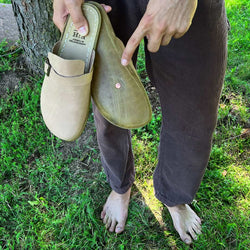
Clogs and house shoes designed for home use emphasize comfort features for relaxation and recovery time. These styles help with sleep preparation and stress relief by maintaining contact with conductive surfaces when you step outside onto grass or soil.
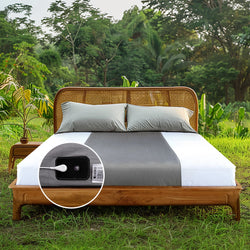
However, it's important to note that grounding shoes will not provide grounding on wood, carpet, or vinyl flooring - indoor grounding typically requires complementary products like grounding mats or sheets from Earthing Harmony for a complete earthing ecosystem. Indoor recovery footwear works best as a transitional pair, keeping you grounded when you move between indoor and outdoor spaces.
Choose the Right Grounding Shoes for Your Lifestyle
The right grounding footwear enhances your natural connection while supporting your specific needs. Consider the activities you'll do while wearing earthing shoes, as this ultimately determines which style delivers the best results.
For Office and Professional Settings
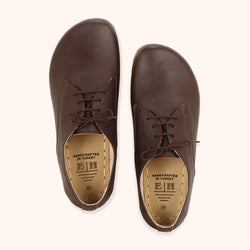
Subtle, professional-looking grounding shoes with hidden conductive elements let you experience benefits without an obvious barefoot appearance. Penny loafers and dress shoe styles with integrated copper rivets or concealed carbon-infused outsoles provide a polished look suitable for meetings and office life.
Many brands now offer grain leather uppers with discreet conductive pathways, so the concept of earthing stays invisible to colleagues. Keep in mind that grounding works only on conductive surfaces like grass or unsealed concrete. Your lunch break walk across a park will deliver more grounding than hours at your desk. Still, these styles make the transition from office to outdoor contact effortless.
For Active Lifestyles and Sports
Lightweight, flexible grounding shoes support movement and exercise while promoting recovery and reduced inflammation. Zero-drop soles encourage natural foot positioning, letting your toes spread and your feet sense the ground beneath them.
An integrative review published in ScienceDirect examined athletes wearing conductive training shoes and found improved recovery markers and less inflammation compared to non grounded controls in a study of approximately 10 participants.
While sample sizes remain small, the science is encouraging for anyone who leads an active life. Grounding may help reduce inflammation linked to chronic conditions and ease pain from conditions like arthritis - benefits that play a meaningful role in athletic longevity.
For Health and Wellness Focus
Therapeutic grounding shoes designed for maximum electron flow prioritize health benefits above all else. Earthing shoes may improve sleep patterns by helping stabilize cortisol, the stress hormone, and proponents claim grounding helps lower cortisol levels and improve sleep.
Regular grounding is thought to help regulate cortisol levels and promote relaxation, which can positively influence your circadian rhythm over time. Research reviewed by the NIH found that 12 subjects sleeping grounded for eight weeks reported normalization of diurnal cortisol profiles, improvement in sleep, and reductions in reported pain and stress.
Choose shoes that fit comfortably without constricting toes - a comfortable fit is essential for users who plan extended grounding sessions. Earthing shoes may also enhance immune system response, though more rigorous trials are needed to confirm this.
Conductive Materials That Connect
Effective grounding shoes use specific natural materials and conductive elements to bridge the gap between your body and Earth's electrons. Grounding footwear aims to bypass insulation to allow body grounding, since most modern footwear uses thick soles that insulate the body from the ground. They use conductive materials like copper or carbon in soles to create that essential electrical pathway.
Carbon-Infused Soles
Carbon particles blended into rubber outsoles create conductive pathways distributed throughout the material. As tread wears down, the carbon network remains intact, maintaining grounding connection during extended use.
Carbon-infused rubber offers flexibility and durability at a more accessible price point - typically $30–$60 less than copper-based models. These soles perform well for casual and light-duty wear, though their conductivity is lower than metal alternatives.
The breathable construction allows foot perspiration to enhance conductivity naturally, which matters because moisture helps electrons flow from the ground into the body through soles.
Copper and Metal Elements
Copper rivets, conductive threads, and metal strips represent the premium tier of grounding technology. A copper rivet placed at the ball or heel of the foot - where pressure is greatest provides a low resistance pathway for electron transfer.
Copper-plug designs typically measure under 1 megaohm of resistance between insole and outsole, meeting the benchmark for effective grounding. Copper does oxidize over time, forming a patina, but this layer generally does not block conduction significantly.
In wet conditions, copper elements excel, making them ideal for users who walk on damp grass or sandy surfaces regularly.
Natural Leather Construction
Vegetable-tanned leather has served humans as a conductive footwear material for millennia - our ancestors walked in animal-skin shoes that naturally maintained electrical contact with the earth. When slightly dampened by foot perspiration, grain leather functions as a natural conductor, allowing electricity to pass through.
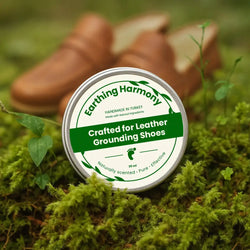
This breathable material also delivers comfort benefits that synthetic alternatives struggle to match. Traditional leather construction supports grounding without requiring embedded metal components, though combining leather insoles with copper or carbon outsoles creates the most reliable conductive path. Look for brands that prioritize sustainability in their products by using responsibly sourced leather and natural materials.
How to Maximize Your Grounding Experience
Proper use and care ensure your grounding shoes deliver optimal earthing benefits. Grounding is the practice of connecting the human body to the Earth's natural surface charge, and getting the most from it requires a bit of intention.
Daily Grounding Practices
Walking barefoot allows the skin to touch the natural ground, but grounding shoes let you enjoy that same connection with protection and support. Grounding shoes are designed for use on conductive surfaces like grass or soil wet grass and wet sand near waterlines provide excellent conduction, while dry grass offers good but reduced effect. Bare damp soil and unsealed concrete also work well. Standard sidewalk concrete and asphalt provide very poor or no grounding benefit.
Many users report positive experiences related to reduced stress and better balance from grounding. Earthing shoes can enhance mood and reduce stress levels, and grounding can stabilize the body's electrical environment and combat fatigue. For best results, aim for consistent daily practice rather than occasional long sessions.
A morning walk on dewy grass or an evening stroll on a beach can make a meaningful difference in how you feel - many users describe a sense of calm and improved mood that builds over time. Regular socks do not prevent grounding due to foot perspiration connection, so don't worry if you prefer wearing socks with your grounding shoes.
Grounding involves skin contact with natural surfaces like dirt, sand, or grass, and earthing shoes connect feet to Earth's electrical field to replicate that contact. Insulated shoes block the natural flow of electrons, which is why conventional rubber-soled footwear prevents grounding entirely. Grounding techniques in shoes also prevent static buildup, which some users find contributes to better sleep and reduced anxiety.
If you're still a bit skeptical, that's understandable - the science is still emerging. Cleveland Clinic notes that while earthing shows promise, many studies involve small sample sizes and more rigorous trials are needed.
But the practice is low-risk, and the wellness benefits reported by thousands of users suggest it's worth exploring. Proponents claim that better sleep, relief from chronic pain, and improved mood are consistently attributed to regular grounding practice.
Care and Maintenance
To maintain conductivity over time, avoid polishes, sealants, or waterproof coatings that could block conductive pathways. Clean carbon rubber soles gently without sealing conductive particles, and rinse copper elements if exposed to salt water. Keep leather components slightly supple - if leather dries out completely, its conductive properties diminish.
Test your grounding shoes every three to six months using a multimeter set to resistance. Functioning grounding footwear should measure under approximately 1 megaohm between insole and outsole on a conductive surface.
Readings above 10 megaohms or showing open circuit indicate a broken conductive path, meaning it's time to replace your pair. Watch for sole wear that exposes or erodes copper plugs, and store shoes in a cool, dry place away from extreme heat that could degrade materials.
The design of Earth Shoes focuses on biomechanical balance rather than electrical connection alone - proper care preserves both the structural support and the conductive function that make these shoes special.
With attention to maintenance, quality grounding shoes can maintain effective conductivity for six to twelve months of daily use. Grounding shoes often feature thin, flexible soles that promote natural foot movement, and keeping those soles clean and intact is essential to preserving both comfort and connection.
Earthing shoes should have conductive materials like copper or carbon in good working condition to deliver on their promise. Spending money on quality footwear only makes sense if you maintain it properly, a small investment of time pays dividends in longevity and performance. Earthing shoes come in various styles for different occasions, so having dedicated pairs for different activities helps spread wear across your collection and extends the life of each shoe.






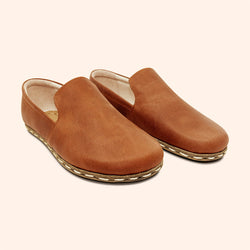 Shoes
Shoes
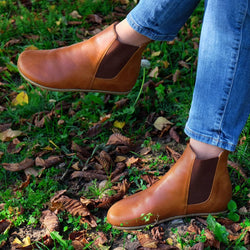 Boots
Boots
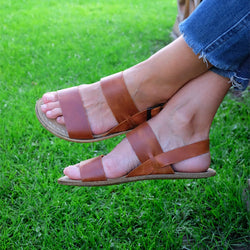
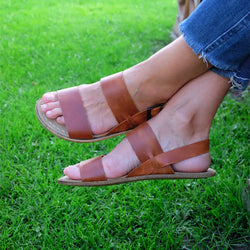 Sandals & Clogs
 Shoes
Shoes
 Boots
Boots
 Sandals & Clogs