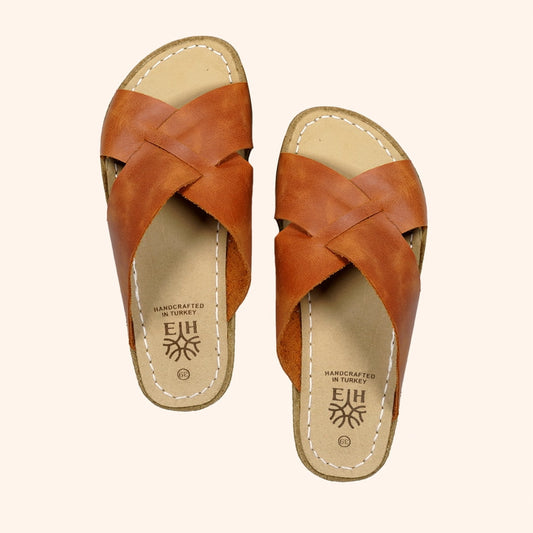
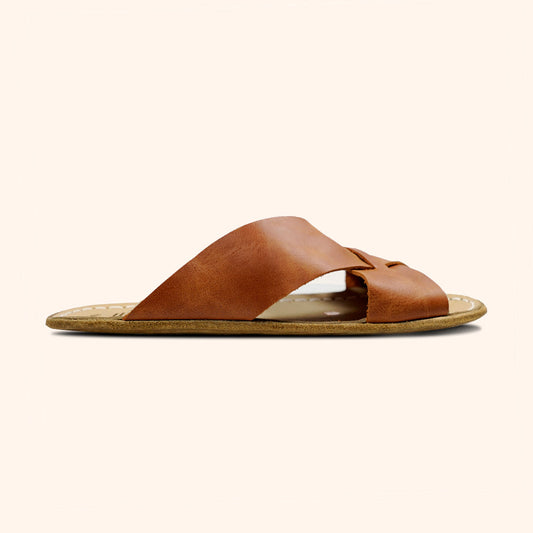
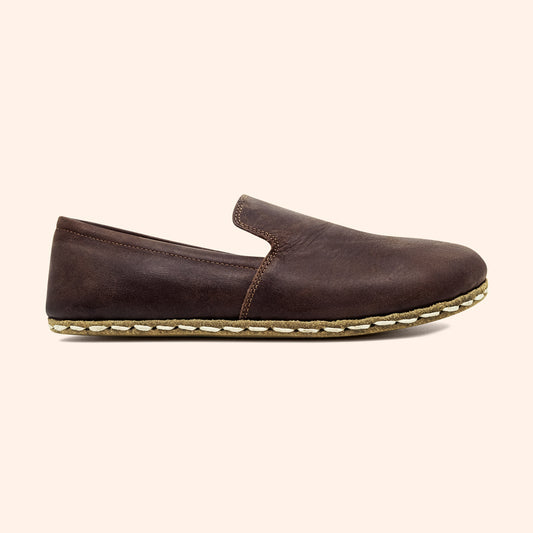
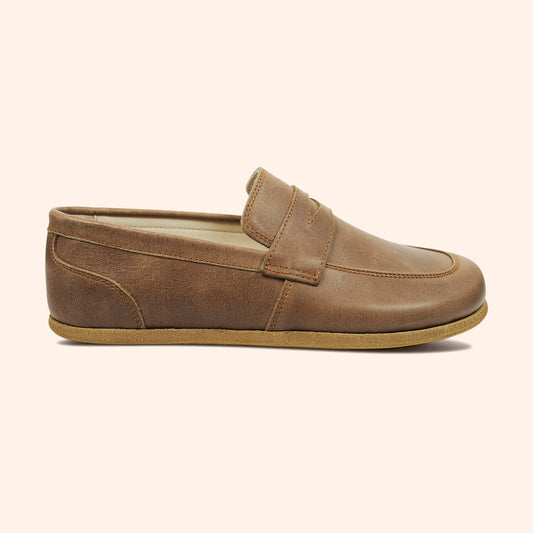
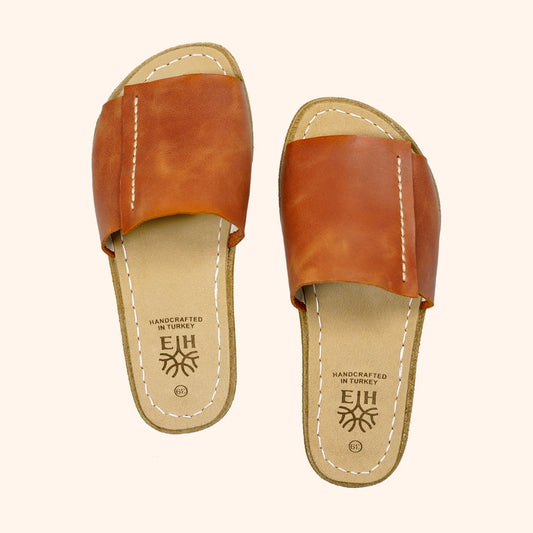
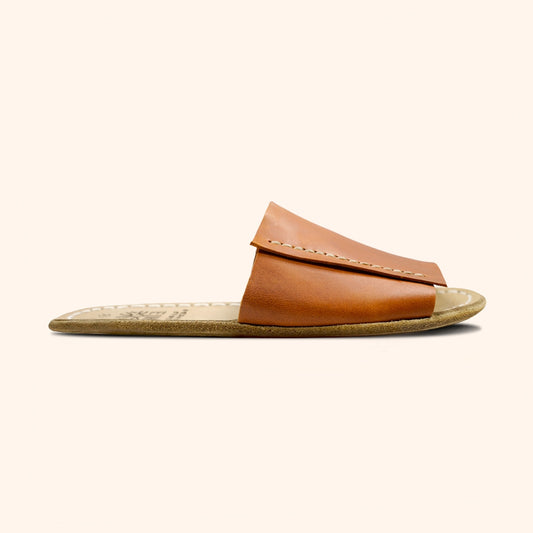
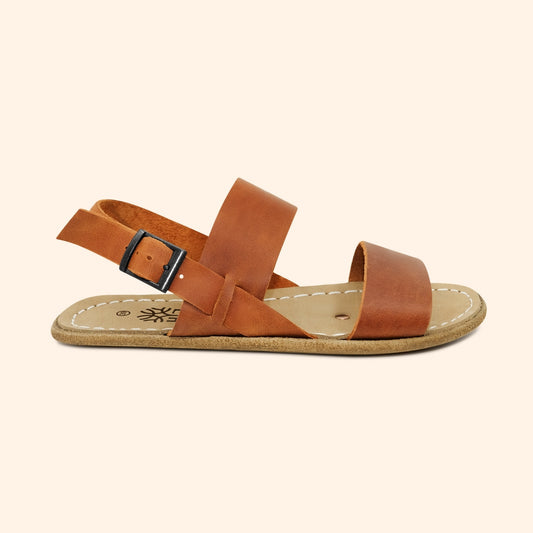
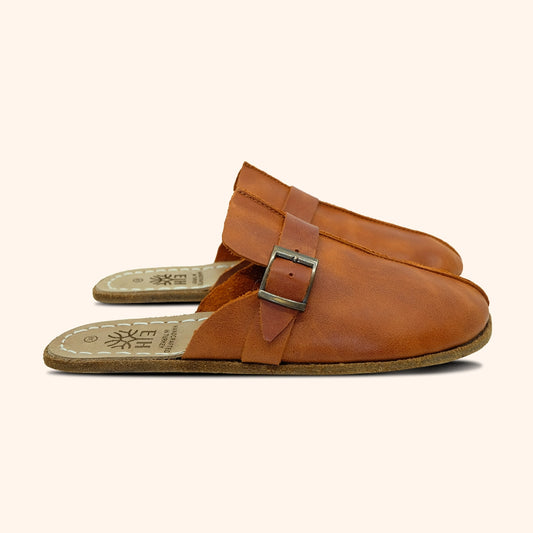
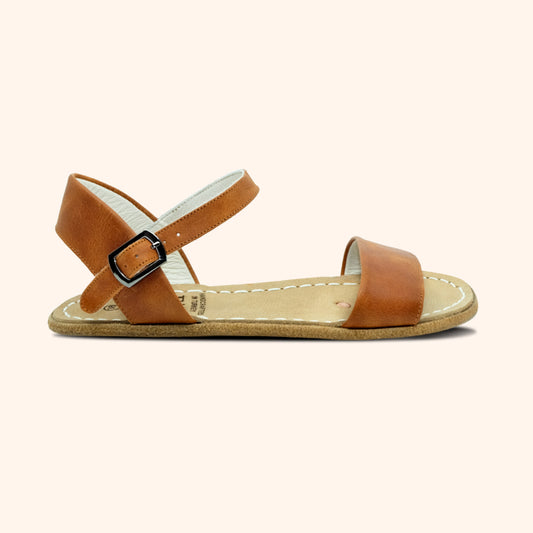
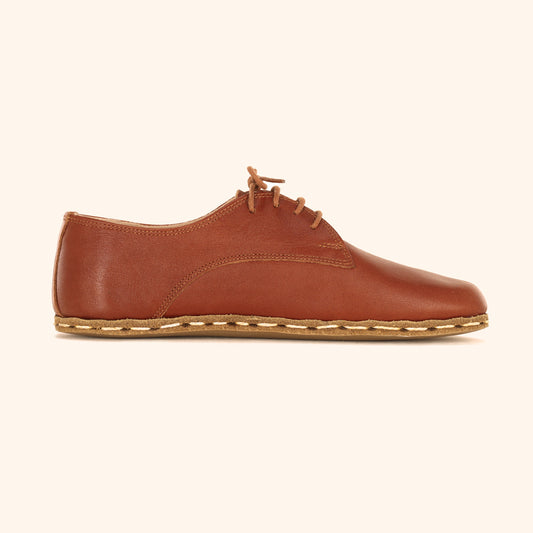
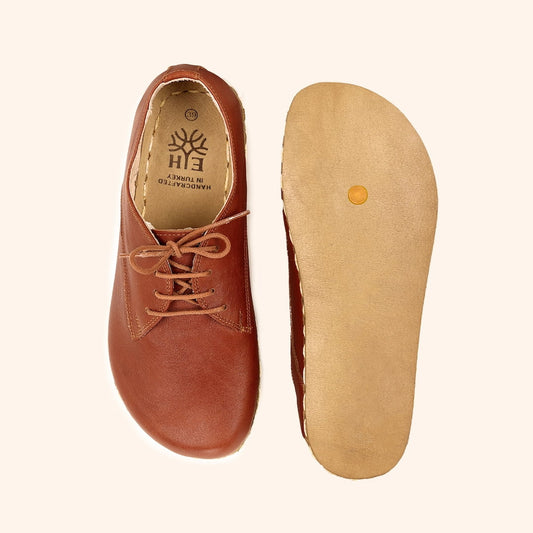
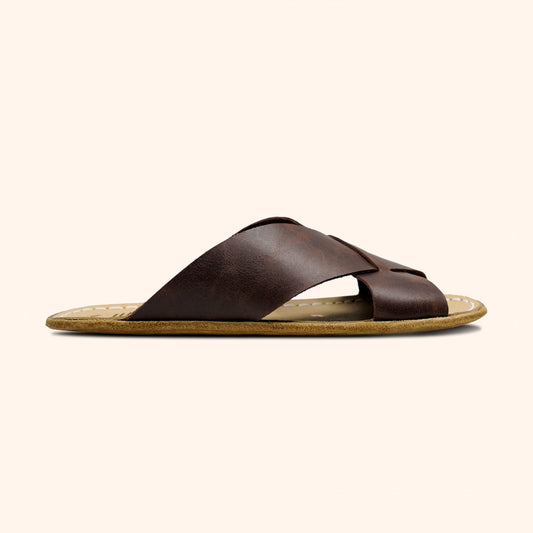
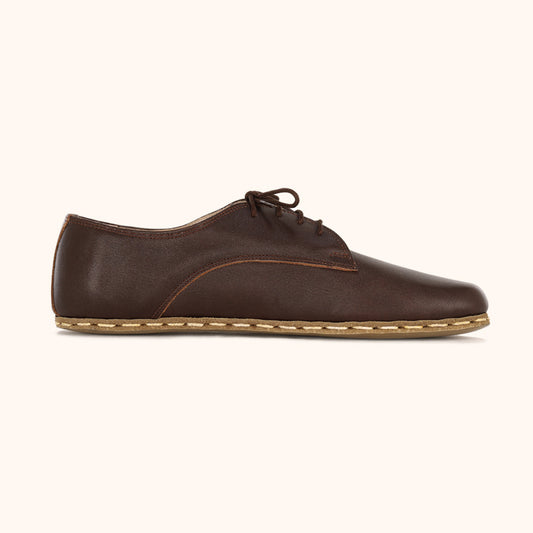
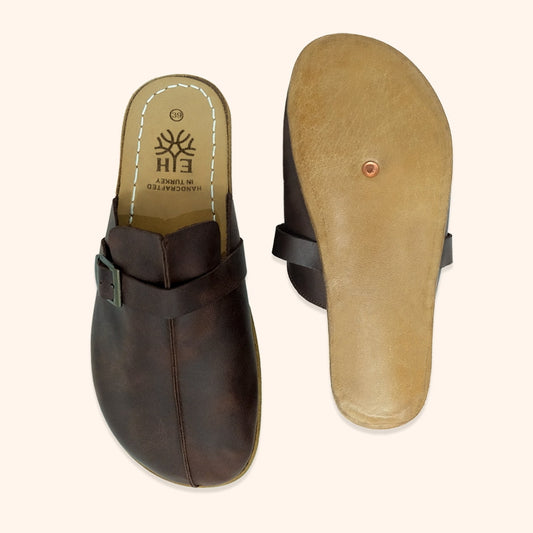
It’s about finding a way to stay connected to the ground without having to go everywhere barefoot. Grounding footwear basically acts as a bridge; it gives you that physical "tether" to the earth’s energy while still keeping your feet protected and comfortable during your day-to-day. Unlike conventional footwear, which often insulates the body from the ground, grounding shoes use conductive elements intended to support that connection.
Many designs also borrow ideas from barefoot shoes, which is one reason they appeal to people interested in natural movement. They tend to feel flexible rather than rigid, supportive without being overly structured.
Features often include:
- Wide toe boxes that let feet spread naturally
- Thin, flexible soles for natural movement
- Zero-drop construction that supports posture
- Conductive pathways that help maintain earth contact
For many people, that combination of comfort, movement, and grounding is what makes them so appealing.
Are Grounding Shoes Good for You?
This is one of the most common questions people ask, and it makes sense. People want to know whether grounding shoes are simply an interesting idea or whether they may actually support well-being.
There is growing research around grounding, and while it is still an evolving field, findings have been intriguing. Some studies have looked at stress regulation, sleep, circulation, and inflammation. People are often drawn to grounding because it feels simple, yet the science behind it continues to grow.
Research suggests grounding may support:
- Reduced stress and calmer nervous system activity
- Better sleep through healthier cortisol rhythms
- Improved circulation and blood flow
- Support for recovery, soreness, and occasional pain
- Potential support for cardiovascular health
Beyond research, many people simply say they feel better when they spend more time grounded. Sometimes that lived experience is what sparks curiosity in the first place.
How Grounding Footwear Works
The idea behind grounding shoes is straightforward. The earth carries a natural charge, and direct contact with natural surfaces may allow electrons to move into the body. Grounding footwear is designed to help preserve that contact while walking.
That does not mean every surface works the same. This is something people often miss. Grounding is less about the shoe alone and more about the relationship between the shoe and the surface beneath you.
Grounding shoes generally work best on:
- Grass
- Soil
- Sand
- Unsealed concrete
They generally do not work well on:
- Dry asphalt
- Wood floors
- Vinyl surfaces
- Highly insulated indoor flooring
Understanding that makes expectations more realistic and helps people get more from their grounding practice.
Does Barefoot Grounding Really Work?
Walking barefoot on the earth has been part of human life for a very long time. In many ways, grounding footwear is simply an adaptation of something ancient.
Many people still prefer direct barefoot grounding when they can. There is something simple and calming about standing on grass or walking on sand with bare feet. It often feels good in a way that is hard to reduce to science alone.
Studies have explored possible benefits such as:
- Lower inflammation markers
- Better stress regulation
- Improved sleep quality
- Support for reduced oxidative stress
For people who cannot always go barefoot, grounding footwear can offer another way to incorporate that same practice into daily life.
Are Barefoot Shoes the Same as Earthing Shoes?
People often use these terms interchangeably, but they are not exactly the same.
Barefoot shoes are mainly designed around natural foot mechanics. They prioritize flexibility, toe freedom, and a natural walking pattern. Grounding shoes may share many of those features, but they add conductive functionality intended to support grounding.
Barefoot shoes may offer:
- Toe freedom
- Natural gait support
- Flexible movement
- Improved sensory feedback
Grounding footwear may offer those same qualities, while also adding conductive functionality.
Some people love both approaches. Others are specifically looking for the grounding aspect. It really depends on what matters most to you.
The Role of Natural Materials
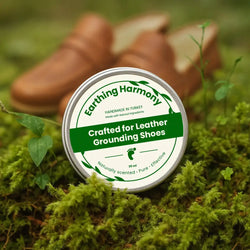
One thing people often appreciate about grounding footwear is the materials. There tends to be more emphasis on natural materials and thoughtful construction than you see in many conventional shoes.
That matters for comfort, but it also matters philosophically. Many people drawn to grounding care not only about personal health, but about living more in harmony with the planet.
Materials often prioritized include:
- Leather
- Wool
- Castor bean based components
- Other bio-based materials
These choices can support:
- Comfort
- Breathability
- Sustainability
- Durability
There is something refreshing about footwear that feels closer to nature, both in how it functions and what it is made from.
Can Shoes Really Allow Grounding?
Yes, some can, though design matters.
There are specific conductive features built into grounding shoes that help support contact with the earth. Without those features, a shoe may be minimalist, but not necessarily grounding.
Common conductive features may include:
- Conductive plugs
- Conductive stitching
- Specialized sole pathways
To support conductivity:
- Wear them barefoot when possible
- Use conductive socks if needed
- Avoid thick synthetic socks
- Walk on conductive surfaces
These details may seem small, but they can make a difference.
Benefits
People choose grounding footwear for different reasons. Some come for wellness support, others because they enjoy natural movement, and some simply like the idea of feeling more connected while they walk.
Commonly reported benefits include:
- Some people notice they sleep more deeply
- Others like the calmer feeling after time outdoors
- Some appreciate support for recovery and soreness
- Many simply enjoy feeling more connected to nature
That range of experiences is part of what makes grounding such a personal practice.
Style, Comfort, and Everyday Wear
People sometimes assume grounding shoes are purely functional, but there are many styles now that feel understated and wearable.
That matters, because the pair you actually reach for every day is usually the one that supports a real practice.
Today options may include:
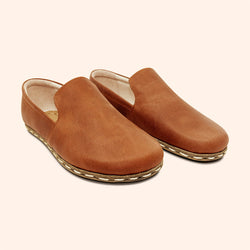
- Slip-ons
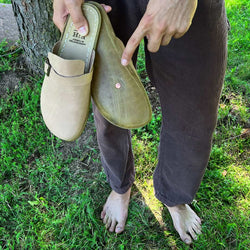
- Clogs
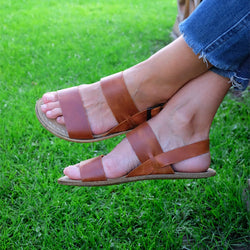
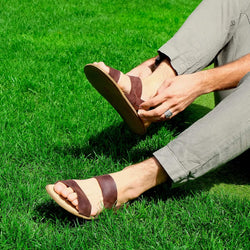
- Sandals
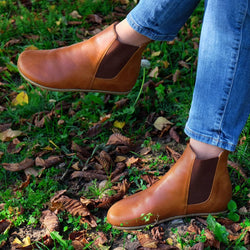
- Long boots
People often look for a pair that balances:
- Comfort
- Style
- Functionality
- Natural feel
When comfort and style come together, grounding can become part of ordinary life rather than something separate from it.
A Note on Rubber Soles
This is one area where confusion comes up often.
Traditional rubber soles generally insulate the foot from the earth, which is why ordinary shoes do not support grounding. Grounding footwear is designed differently, using conductive pathways intended to maintain connection.
That distinction is important because not all natural looking footwear is grounding footwear.
Are Grounding Shoes Worth the Money?
That is personal, of course.
For people who value grounding, natural materials, and everyday comfort, many feel the investment is worthwhile. It is not just buying shoes, it is choosing a tool that supports a daily practice.
Many people feel they are worth it because they combine multiple things in one product:
- Grounding support
- Natural movement
- Everyday comfort
- Sustainable design
- Long-term wear value
Part of the appeal is that it fits easily into life. You put them on, go for a walk, and that is the practice.






 Shoes
Shoes
 Boots
Boots
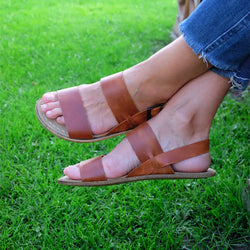 Sandals & Clogs
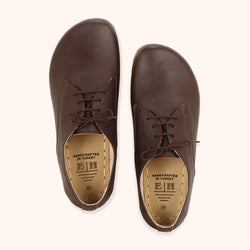 Shoes
Shoes
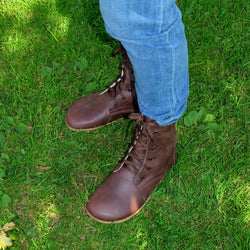 Boots
Boots
 Sandals & Clogs