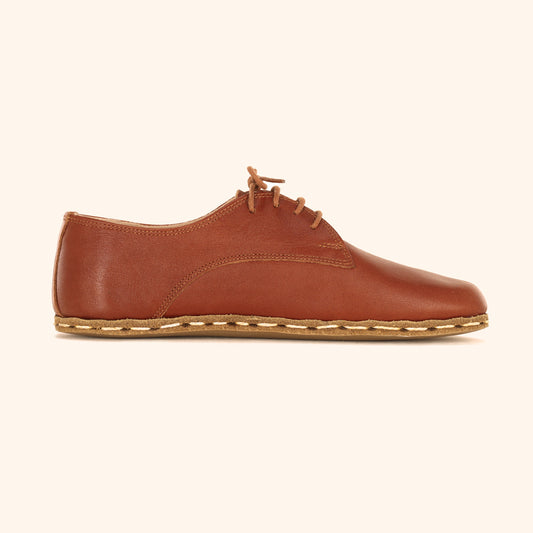
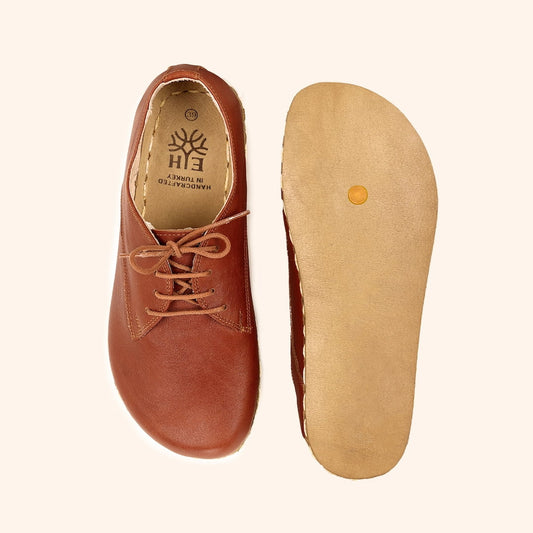
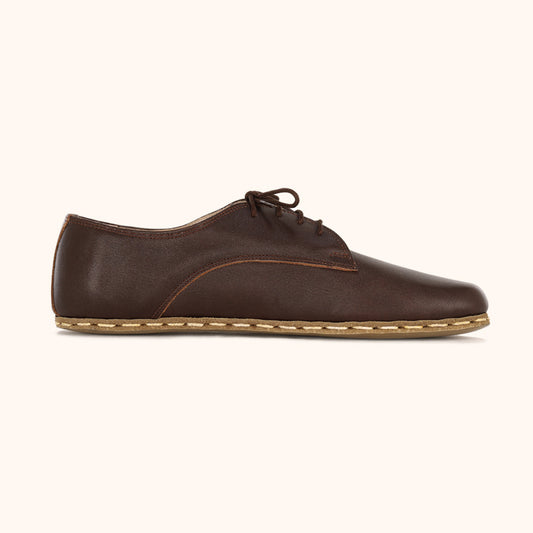
Barefoot shoes are designed to mimic the experience of walking barefoot while still offering protection from the ground. Unlike traditional footwear, they avoid thick cushioning, elevated heels, and narrow toe boxes that limit movement. Instead, they follow the natural contours of the foot and allow toes to spread naturally.
Most barefoot shoes feature a wide toe box, a zero drop sole, and a flexible sole. These elements work together to support how humans are designed to move, stand, and balance.
Why Traditional Shoes Can Restrict the Feet
Modern shoes often compress the toes, lift the heel, and stiffen the sole. Over time, this can interfere with posture, balance, and foot health. Many people don’t realize how much their shoes affect how their body feels until they try barefoot footwear.
When toes are cramped or the heel is raised, the entire body adapts. Knees, hips, and posture shift to compensate. Barefoot shoes remove these artificial changes and allow movement to happen naturally.
Understanding the Human Foot
The human foot is complex, flexible, and incredibly strong. It contains dozens of bones and muscles designed to adapt to terrain, absorb impact, and maintain balance. Barefoot shoes respect this design by allowing the foot to bend, flex, and respond to sensory feedback.
Instead of controlling the foot, barefoot footwear works with it. This encourages stronger muscles and better coordination over time.
The Importance of a Wide Toe Box
A wide toe box is one of the most important features of barefoot shoes. It allows toes to spread into their natural position rather than being squeezed together. This can improve balance, comfort, and stability during movement.
When toes are free to move, the foot becomes a more stable base. Many people notice increased comfort and fewer pressure points, especially those dealing with bunions or tight footwear.
Zero Drop and Natural Alignment
Zero drop means the heel and forefoot are at the same level. There is no elevated heel pushing the body forward. This flat design supports a more upright posture and helps align the knees, hips, and spine.
Zero drop footwear encourages a more natural walking pattern and can reduce strain on joints when transitioned to properly.
Flexible Soles and Sensory Feedback
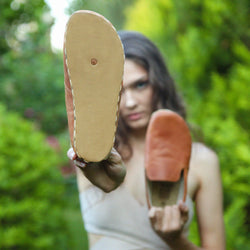
Barefoot shoes use a thin, flexible sole that allows the foot to feel the ground beneath it. This sensory feedback helps the body respond to terrain changes and improves balance.
Feeling the ground doesn’t mean discomfort. It means awareness. The foot adjusts naturally, and movement becomes more controlled and connected.
Minimalist Shoes Versus Barefoot Shoes
Minimalist shoes and barefoot shoes are closely related, but not identical. Minimalist shoes reduce bulk and cushioning, while barefoot shoes go a step further by fully supporting natural foot shape, zero drop, and flexibility.
Some minimalist shoes still have narrow toe boxes or structured soles. True barefoot shoes focus on freedom of movement above all else.
Benefits of Barefoot Shoes for Everyday Life
Many people choose barefoot shoes because they feel more comfortable and natural. Over time, wearers often notice improved foot strength, better balance, and increased awareness of how they move.
Barefoot shoes can also help reduce issues linked to restrictive footwear, including plantar fasciitis, shin splints, knee discomfort, and general foot fatigue when used correctly and gradually.
Transitioning to Barefoot Shoes Safely
Transitioning to barefoot footwear should be gradual. The muscles in your feet may not be used to working fully, especially if you’ve worn supportive shoes for years. Start by wearing barefoot shoes for short periods and slowly increase use.
This process allows your feet to adapt, reducing the risk of soreness or strain. Transitioning is part of reconnecting with natural movement.
Stylish Options Without Sacrificing Comfort
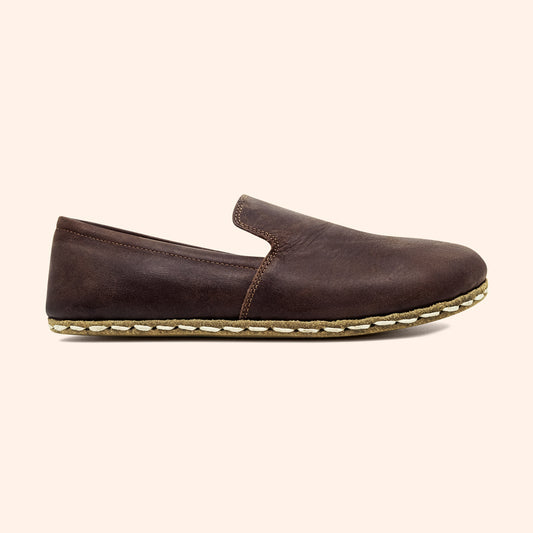
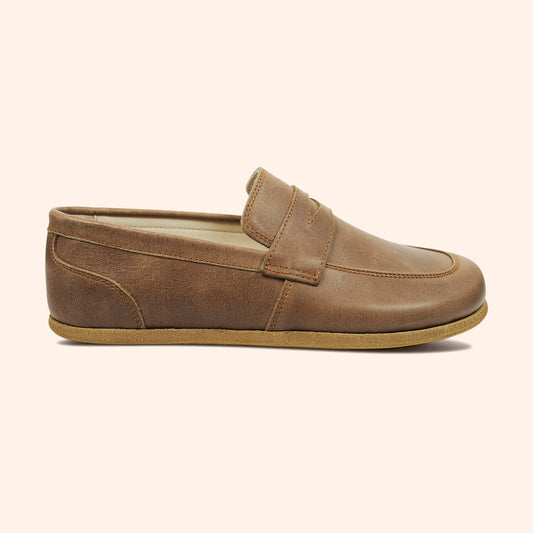
Barefoot footwear has evolved. Today’s barefoot sneakers are stylish, versatile, and suitable for work, casual wear, and travel.
You no longer have to choose between comfort and style. Modern barefoot sneakers prove that natural footwear can look great.
Natural Materials and Vegan Options
Many barefoot shoes are made with natural materials such as leather, hemp, or plant-based alternatives. Vegan barefoot shoes are also widely available, offering ethical choices without compromising performance.
Materials matter for durability, comfort, and breathability. Choosing quality materials ensures barefoot footwear lasts longer and feels better over time.
Lightweight Design and Freedom of Movement
Barefoot shoes are designed to be lightweight. This reduces fatigue and allows the foot to move freely. The absence of bulky padding and stiff structures makes each step feel easier.
Lightweight footwear supports agility and responsiveness, whether walking on pavement or navigating uneven terrain.
Ground Feel and Connection
One of the most noticeable differences when wearing barefoot shoes is how connected you feel to the ground. This connection enhances balance and movement awareness.
Feeling the ground doesn’t mean losing protection. Barefoot shoes protect your feet while allowing natural sensory input.
Choosing the Right Barefoot Shoe for You
Finding the right barefoot shoe depends on your lifestyle, activities, and foot shape. Some people prefer thin soles for maximum sensory feedback, while others want slightly more protection.
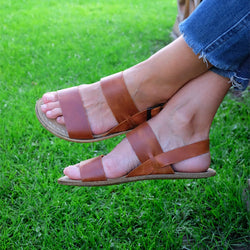
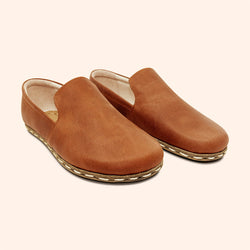
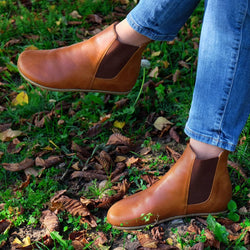
Consider where you’ll wear the shoes, whether you prefer sandals, loafers or boots, and how flexible you want the sole to be. The right fit should feel comfortable from the start.
Comfort, Quality, and Fit
Quality matters when choosing barefoot footwear. Durable construction, breathable materials, and thoughtful design ensure long-term comfort.
A good pair of barefoot shoes should feel comfortable without needing to be broken in. Toes should have room to move, and the shoe should flex easily.
Price, Value, and Long-Term Benefits
Barefoot shoes vary in price depending on brand, materials, and construction. While some models may cost more upfront, many customers find the long-term benefits worth it.
Investing in quality barefoot footwear can support foot health, posture, and overall comfort for years.





 Shoes
Shoes
 Boots
Boots
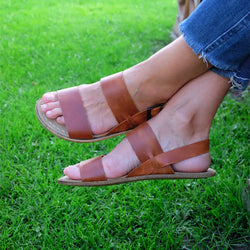 Sandals & Clogs
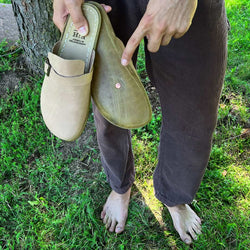
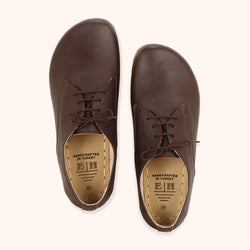 Shoes
Shoes
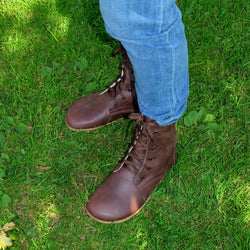 Boots
Boots
 Sandals & Clogs