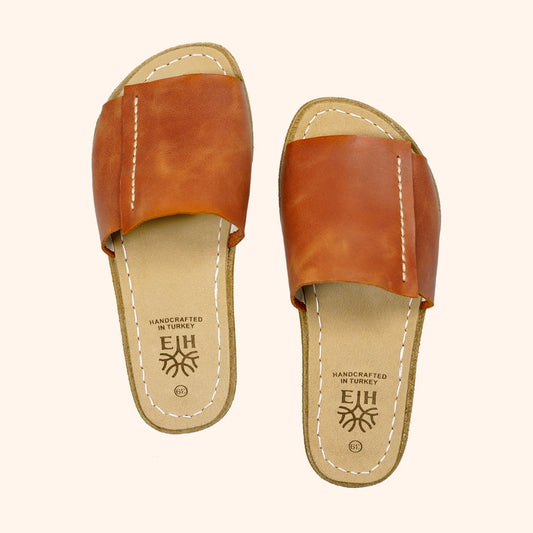
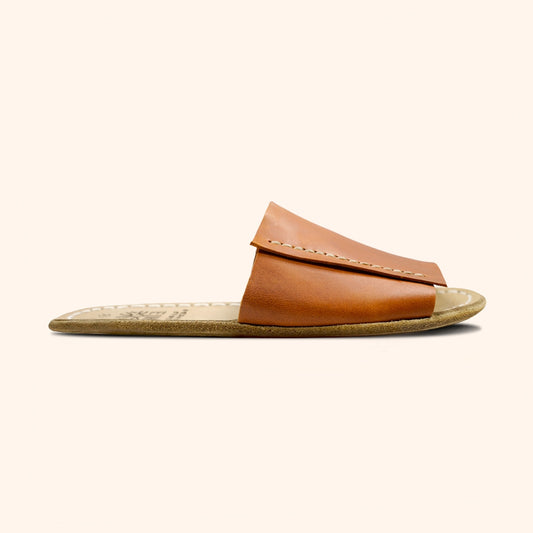
Not all barefoot slip on shoes fit the same, and a few details make a big difference.
People often look for:
- A foot shaped toe box that gives toes room
- Zero drop construction with no raised heel
- A flexible sole with natural ground feel
- Enough volume for a secure fit without sliding
- Lightweight materials that feel comfortable all day
Because slip on shoes do not have laces, fit matters even more.
A pair that works beautifully for low volume feet may not work as well for high volume feet, and vice versa.
That is why checking the size chart and fit details from a brand is worth doing.
Are Barefoot Slip-On Shoes Good?
For many people, yes.
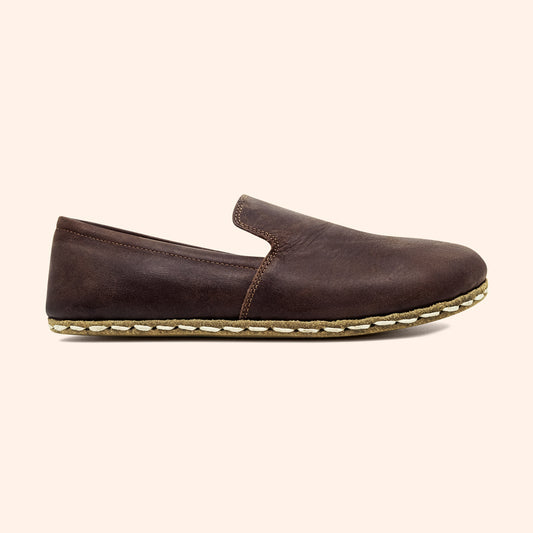
Barefoot slip on shoes can be a great option for everyday wear because they combine simplicity with natural movement principles.
Some of the things people often appreciate include:
- Better toe freedom from a wide toe box
- Flexible movement through thin soles
- Natural posture support from zero drop design
- Greater comfort during long days on your feet
Some people even notice that removing artificial support helps foot muscles engage more.
That can be part of why barefoot footwear often feels different over time.
Comfort, Foot Strength and Foot Health
Many people come to barefoot slip ons for comfort, but stay because of how their feet feel after regular wear.
Traditional shoes often rely on thick insoles, arch support and rigid structure. Barefoot slip ons usually take a lighter approach.
Features often linked to comfort and foot health include:
- Wide toe boxes that allow toes to spread
- Flexible soles that bend naturally
- Thin construction for sensory feedback from the ground
- Flat zero drop platforms that support posture
Some people feel this supports stronger feet over time.
Others simply love the barefoot feel.
Barefoot Slip Ons vs Regular Slip On Sneakers
Regular slip on sneakers often have thick soles, tapered toe boxes and built in support.
Barefoot slip ons tend to be much simpler.
Typical differences include:
- Wider toe box
- More flexible sole
- Lower stack height
- More natural feel while walking
That does not automatically make one better.
But if you want natural movement and ground connection, barefoot slip ons offer something many regular slip on sneakers do not.
Fit Guide, Low Volume vs High Volume Feet
Fit is one of the biggest considerations with barefoot slip.
Because there are no laces, volume matters.
For low volume feet, some people prefer a snugger fit to prevent slipping.
For high volume feet, sizing up or choosing models known for extra volume can help.
Things worth checking:
- Check the size chart carefully
- If between sizes, consider whether a half size up or down makes sense
- Check whether a model runs true to size
- Read fit notes for narrow or wide feet
A secure fit should feel stable without pressure.
That balance is important.
Materials and Style Options
One nice thing about barefoot slip ons is the range of materials now available.
Depending on what you prefer, you can find:
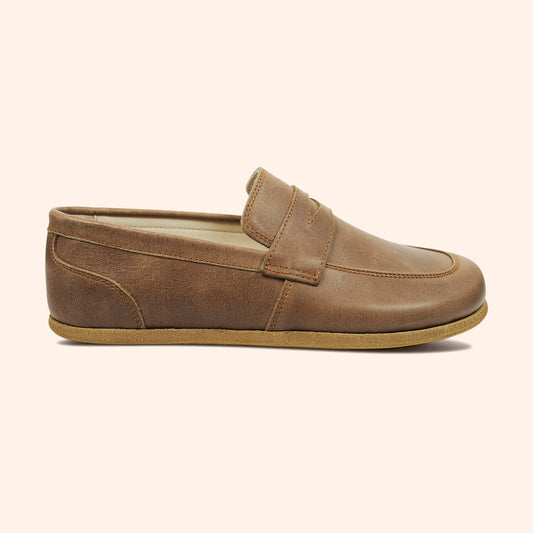
- Leather models for durability and classic style
- Vegan options for customers avoiding animal materials
- Canvas and textile models for casual everyday wear
- Dressier black slip ons with a more polished look
Some people love casual barefoot slip on sneakers.
Others prefer stylish leather models for work or travel.
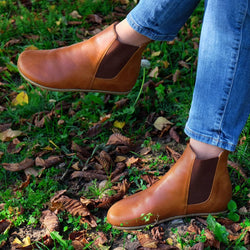
There are even some chelsea inspired minimalist boots that share similar principles.
Popular Models People Explore
People often start by exploring a few popular models.
Some heard about splay models and like their casual feel.
Others explore Vibram based models, or rogue style slip ons.
Different models suit different needs.
Some people prioritize:
- Ground feel
- Durability
- Vegan materials
- Extra wide fit
- Comfy insoles
There is no perfect pair for everyone.
The best barefoot slip ons are often simply the pair that fits your feet well.
Best Slip On Shoes for Seniors
This is a common question.
For seniors, priorities may be slightly different.
People often recommend looking for:
- Wide toe box for stability
- Easy step in design
- Secure fit to reduce sliding
- Flexible sole with good ground awareness
- Comfortable materials for all day wear
Some older adults appreciate barefoot slip on shoes because the thin flexible sole can improve balance awareness.
Others may prefer slightly more protective models.
Comfort and confidence matter most.
Why Do Podiatrists Sometimes Warn Against Going Barefoot?
This question comes up a lot.
Usually the concern is not that barefoot principles are inherently bad.
It is often about context.
People who have spent years in cushioned shoes may overload tissues if they switch too fast.
Some people with plantar issues, severe flat feet, or other conditions may need more gradual transition.
That is reasonable.
Barefoot shoes can support natural function, but they are not always an overnight switch.
Is It Healthy to Wear Barefoot Shoes?
For many people, yes.
People often value barefoot shoes because they may support:
- Natural toe splay
- Foot strength
- Better posture
- Ground feel and balance
For some, they even help relieve discomfort linked to poor alignment.
Of course, individual needs vary.
But many people find barefoot slip ons a very approachable entry into barefoot footwear.
Choosing Your First Pair
If this is your first pair, keep it simple.
Look for:
- True to size fit
- A wide toe box
- Flexible sole
- Zero drop base
- Materials you enjoy wearing daily
And check the details.
Good fit matters more than hype.
Many brands offer discount code options or seasonal discount offers, which can help when exploring a first pair.




 Shoes
Shoes
 Boots
Boots
 Sandals & Clogs
 Shoes
Shoes
 Boots
Boots
 Sandals & Clogs