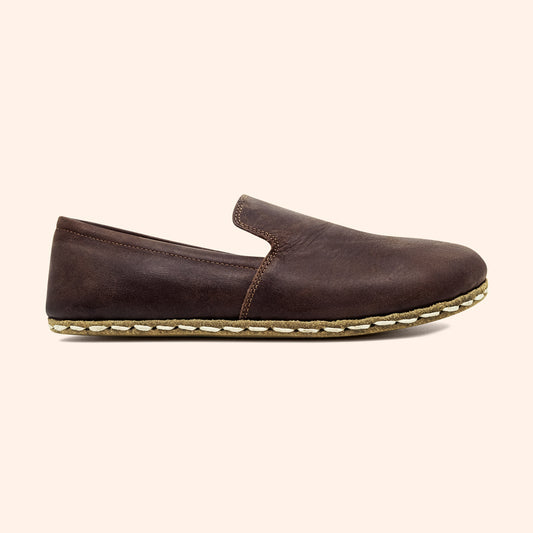
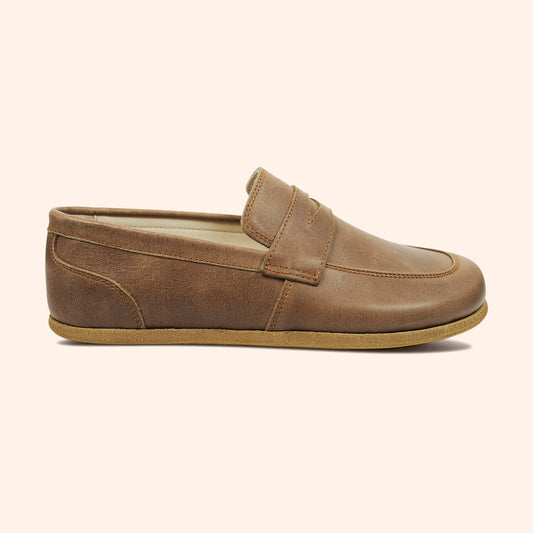
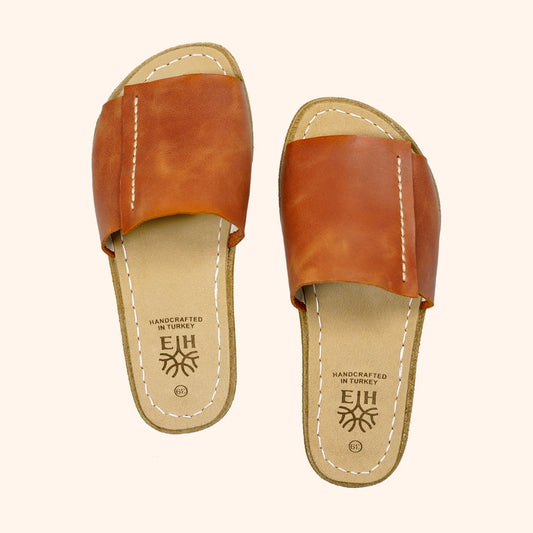
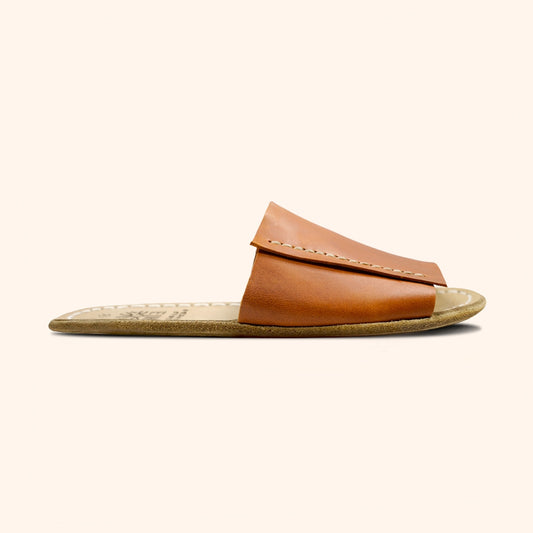
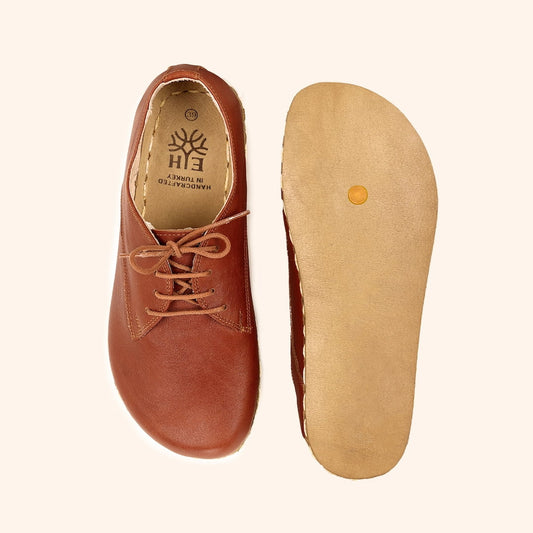
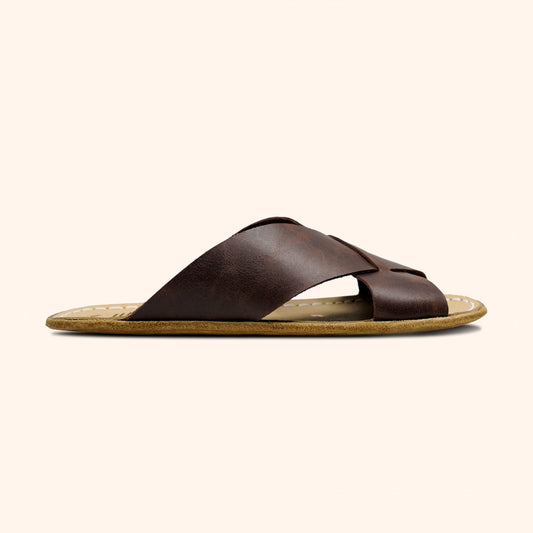
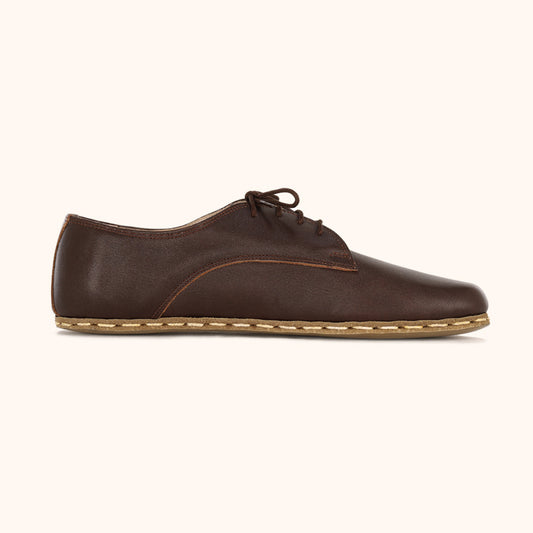
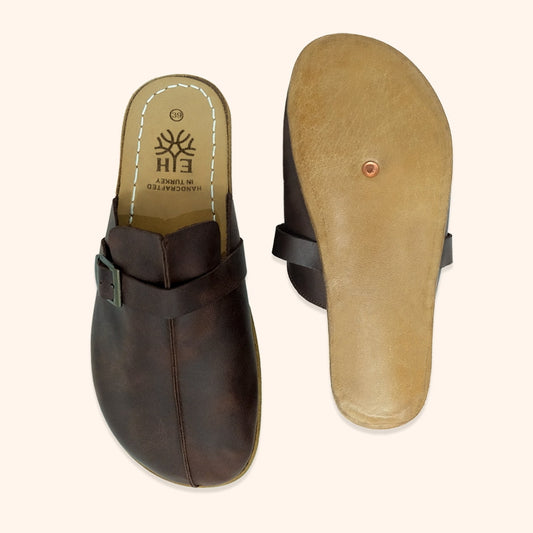
Flexible grounding shoes bring together two ideas that many people care about, natural foot movement and connection with the earth.
Traditional shoes often separate us from the ground with thick soles, rigid support, and heavy construction. Grounding shoes take a different approach. They are designed to support contact with the earth while allowing feet to move more naturally.
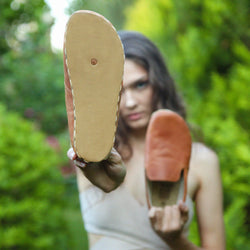
That often means features like a wide toe box, zero drop design, flexible soles, and breathable natural materials.
A good pair of flexible grounding shoes should bend with your foot rather than fight it.
People often look for features like:
- Wide toe box that allows toes to spread naturally
- Flexible soles that move with the foot
- Zero drop construction with no raised heel
- Leather or other natural materials that support breathability
- Conductive soles designed to maintain ground contact
For many people, that creates a very different feel from regular shoes.
Are Grounding Shoes Good for You?
This is often the first question people ask.
For many people, grounding shoes may offer meaningful benefits.
Some are drawn to the grounding side, the idea that conductive soles may help the body reconnect with the earth’s natural electrical field.
Others are drawn to the barefoot design side, which may support stronger feet, better posture, and natural movement.
Research around grounding has explored possible benefits such as:
- Better sleep through healthier cortisol rhythms
- Support for circulation
- Reduced stress response
- Potential support for recovery and overall health
Many people also simply say they feel calmer or more balanced when grounding becomes part of daily life.
That lived experience matters too.
Why Flexibility Matters
A grounding shoe should not only conduct, it should move well.
Flexible soles matter because they allow feet, toes, and ankle joints to function more naturally.
That can support:
- Better foot muscle engagement
- Improved balance
- More natural gait mechanics
- Better ground feel
A flexible sole should bend and twist relatively easily.
If a shoe is too stiff, it can work against many barefoot design principles.
That is one reason people often look for minimal or decently flexible models.
Wide Toe Box and Foot Function
The wide toe box is one of the defining features people often seek.
Many conventional sneakers taper at the front and compress toes.
A wider toe box allows natural toe splay, which may support stability and comfort.
That can be especially meaningful for people concerned about:
- Bunions
- Cramped toes
- Balance issues
- Long days on feet
For many women and men alike, once feet have space, it is hard to go back.
Zero Drop, Thin Soles and Ground Feel
Most grounding shoes and many barefoot shoes use zero drop design.
That means heel and forefoot sit level.
Some people feel this supports proper alignment through the body.
Thin soles can also increase sensory awareness of the ground.
That ground feel is part of what many people love.
Not everyone wants the most minimal feel though.
Some people prefer a cushioned model with removable insole options, especially for a first purchase.
There is room for both.
Grounding Sneakers vs Regular Shoes
Grounding sneakers tend to differ from most sneakers in several ways.
Traditional sneakers often prioritize:
- Extra cushioning
- Thick soles
- Elevated heel geometry
- Motion control features
Grounding sneakers often prioritize:
- Flexible movement
- Ground contact
- Wide toe box shape
- Minimal or zero drop construction
That does not make regular shoes wrong.
It simply reflects a different philosophy.
Leather Soles, Natural Materials and Conductivity
Materials matter more than people sometimes realize.
Many people appreciate grounding shoes made with natural materials like:
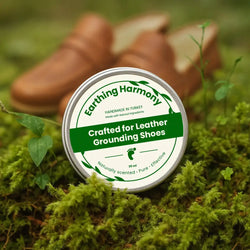
- Leather
- Suede
- Wool
- Breathable natural textiles
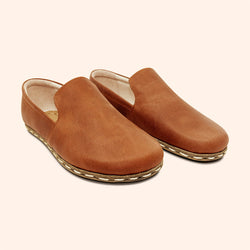
Leather soles or conductive rubber systems may support grounding functionality while also feeling durable and stylish.
Breathable materials also help shoes fit comfortably during long days.
Some people prefer real leather.
Others look for vegan alternatives.
There are options for both.
Earthing Shoes and Conductive Technology
People often use grounding shoes and earthing shoes interchangeably.
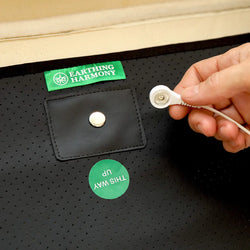
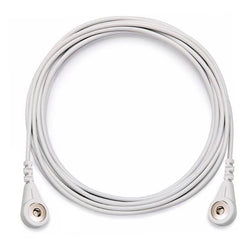
In general, earthing shoes use conductive elements built into the soles to help maintain contact with the ground.
That may involve conductive materials integrated into sole construction.
Some brands use carbonized rubber.
Others use conductive stitching or embedded conductive layers.
The details vary.
But the goal is similar, preserve connection while wearing shoes.
Grounding Sneakers for Everyday Wear
Daily wear matters.
Grounding shoes should not only work in theory, they should be shoes people actually enjoy wearing.
That means style matters too.
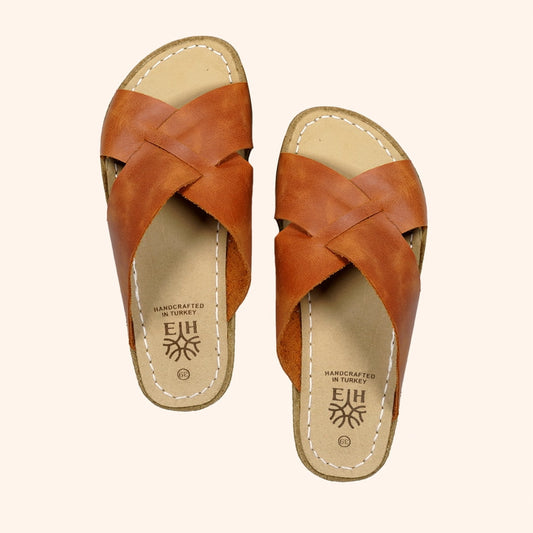
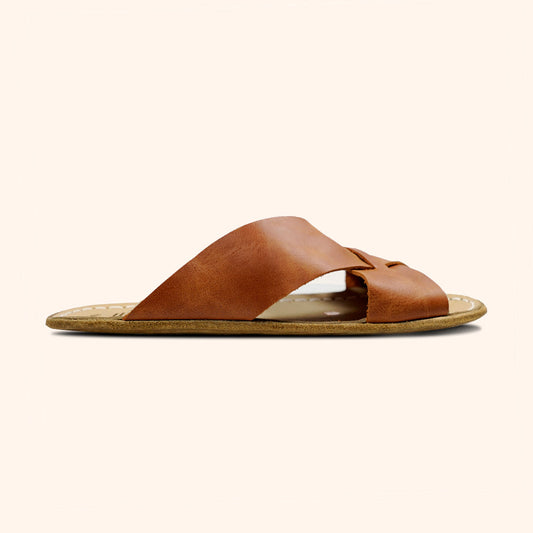
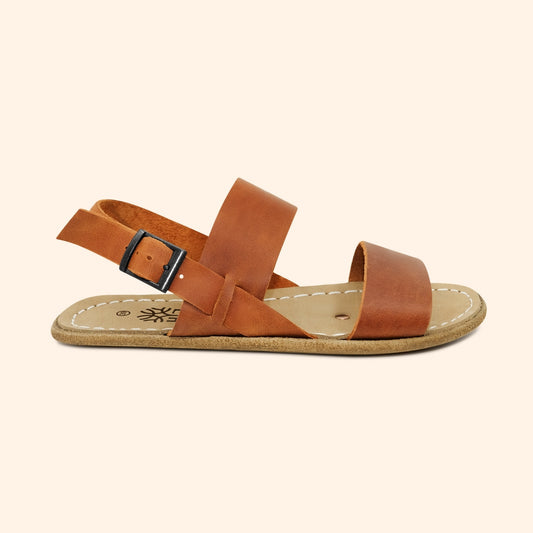
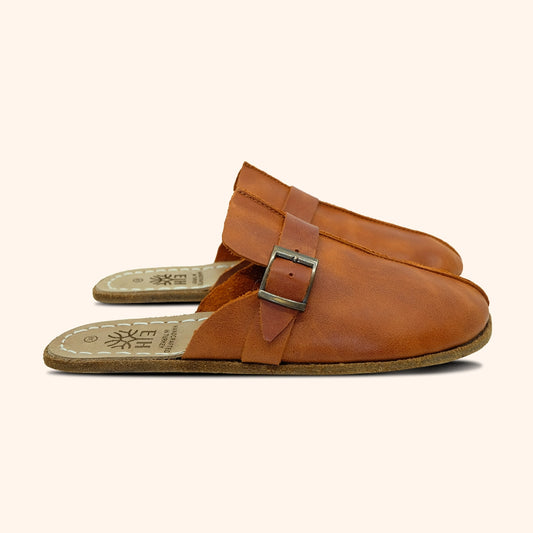
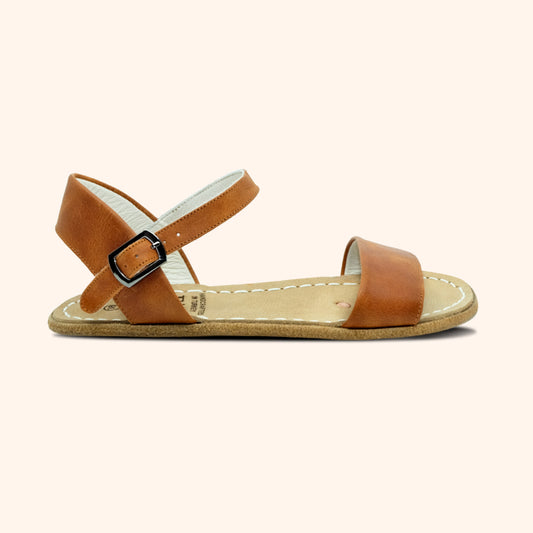
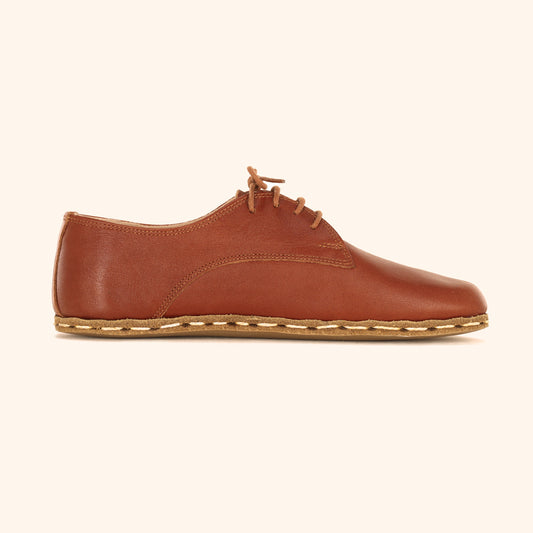
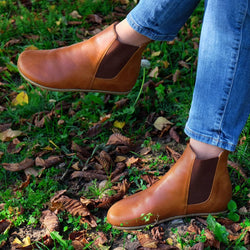
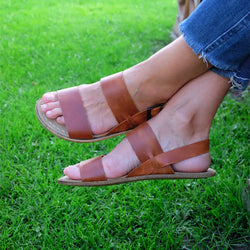
Today there are grounding sneakers, casual shoes, sandals and even boots that blend function with fashion.
People often look for:
- Stylish sneakers for everyday wear
- Comfy leather models
- Black casual pairs that work with many outfits
- Breathable sneakers for warm weather
That balance of aesthetics and function is part of what has improved in the last few years.
Popular Grounding Shoe Styles
There is no single perfect pair.
Different people prioritize different things.
Some want:
- Ultimate comfort
- Minimal ground feel
- Cushioned transitional sneakers
- Fashion forward styles
- Good quality leather designs
Some people explore Harmony 783 lines.
Others look at Bahé performance sneakers.
Some consider Groundz.
Others ask whether Xero makes grounding-friendly models with barefoot principles.
It often comes down to fit, style and intended use.
Removable Insoles and Fit Considerations
Fit matters a lot.
A removable insole can be useful, especially for people experimenting with volume or socks.
Some use removable insole systems to adjust fit for:
- High arches
- Socks thickness
- First pair transitions
Some people wear socks with grounding shoes.
Some prefer going without socks when conductivity is a priority.
It depends on the shoe and your goals.
And as always, check sizing.
Women’s sizes and men’s sizes may fit differently across brands.
What Shoes Do Podiatrists Say Not to Wear?
This question often comes up.
Many podiatrists tend to caution against shoes that are extremely narrow, unstable, or overly rigid.
Some also criticize shoes that excessively compress toes or create poor alignment.
Ironically, those concerns often overlap with why people explore barefoot footwear in the first place.
That said, podiatrists may also caution some people about ultra minimal shoes if transition is too abrupt.
Nuance matters.
How Long Should You Wear Grounding Shoes?
People often ask how long grounding shoes should be worn.
There is no strict rule.
Some people begin with short walks.
Others wear them for much of the day.
For a first purchase, gradual adaptation often makes sense.
You might start with:
- 20 to 30 minute walks
- Casual everyday wear at home or outdoors
- Building toward longer wear over time
Many people simply make them part of ordinary life.
Consistency often matters more than duration.
Can Grounding Shoes Help Foot Health?
Some people believe so.
Supporters often point to:
- Better toe function
- Stronger arches
- Improved ankle engagement
- More natural movement patterns
Some also feel grounding benefits extend beyond feet, into broader harmony in the body.
While not every claim is equally established, the overlap between grounding and natural foot function is part of what attracts people.
Style, Comfort and Long Days on Your Feet
Comfort is not just about softness.
Sometimes comfort comes from freedom.
People who spend long days walking often appreciate shoes that feel light, flexible and natural.
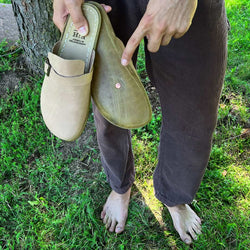
Some people love soft suede styles.
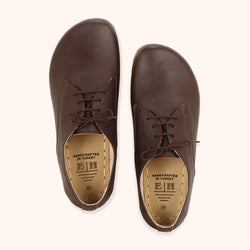
Others prefer durable leather sneakers.
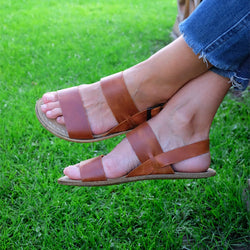
Some want stylish sandals.
There is room for personal taste.
And yes, grounding shoes can be fun too.





 Shoes
Shoes
 Boots
Boots
 Sandals & Clogs
 Shoes
Shoes
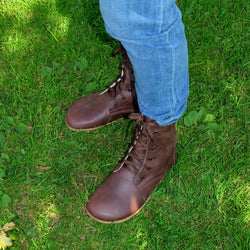 Boots
Boots
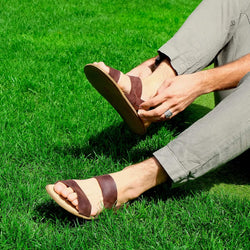 Sandals & Clogs