If you've been searching for a convenient way to sleep deeper, reduce stress, or manage chronic pain, you've likely stumbled across grounding sheets. The claims range from modest to extraordinary. This guide cuts through the noise with a balanced, evidence-informed look at what grounding sheets actually do, what the research says, and whether they're worth your money.
Quick Answer: Do Grounding Sheets Really Work?
Grounding sheets-also called earthing sheets-can effectively connect the human body to the earth's electrical charge when installed correctly with a properly grounded outlet or dedicated grounding rod. Many users report better sleep, less pain, and reduced stress levels within days to two weeks of consistent use.
Early research studies from 2004 through 2024 suggest potential benefits including improved sleep quality, lower cortisol, reduced inflammation, and decreased pain. However, the evidence supporting health claims related to grounding is considered very limited.
Most studies involve small sample sizes, and placebo effects make it difficult to ascertain the real benefits of grounding in isolation. Safety data so far is reassuring: when used as directed, grounding sheets are generally considered low-risk for healthy adults.
That said, some people feel changes in a few nights, others need weeks or months, and a minority feel little or no effect-so this is not a guaranteed cure-all.
At Earthing Harmony, the stance is cautiously optimistic: consistent user feedback and emerging research are encouraging, but grounding is best treated as a complementary wellness tool, not a medical treatment.
What Is Grounding (Earthing), Really?
Grounding, or earthing, refers to direct contact between the human body and the earth's surface, allowing an exchange of earth's surface electrons. This physical form of earthing grounding in wellness circles is distinct from psychological grounding techniques-mental exercises used in anxiety or trauma therapy.
The basic theory works like this: the Earth possesses a negative electrical charge that can transfer free electrons to the body. When grounded, these negative electrons may help neutralize positively charged free radicals, potentially reducing inflammation and oxidative stress.
Grounding is thought to neutralize free radicals in the body in much the same way dietary antioxidants do-a concept some researchers have called electronic nutrition or even vitamin g.
Since the early 2000s, small clinical and pilot studies have explored effects on inflammation research markers, blood viscosity, sleep quality, pain, and cortisol rhythms. Modern lifestyles insulated shoes, high-rise living, constant indoor time have dramatically reduced our natural grounded contact compared to walking barefoot on soil or sand as humans did for millennia.
Conventional sleep medicine and public health institutions have not fully endorsed earthing yet. It sits in a gray zone between alternative and complementary medicine and integrative health, with growing but still limited peer-reviewed data.

How Do Grounding Sheets and Mats Work?
Grounding sheets, bed sheets with conductive material woven in, and grounding mats are designed to simulate barefoot contact with the earth's surface while you sleep or rest indoors. They contain conductive fibers like silver or carbon typically silver fibers woven into cotton or bamboo fabric, or stainless steel threads-that carry electrons across the surface.
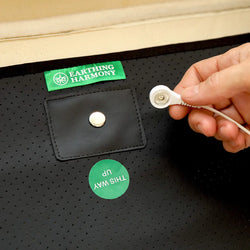
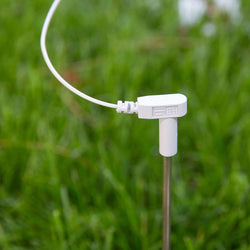
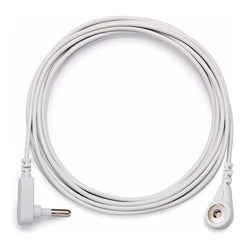
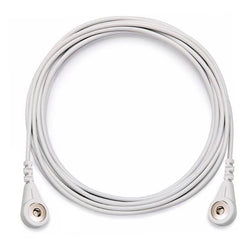
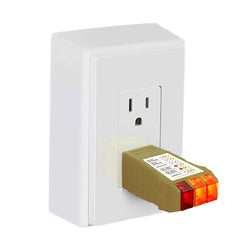
A cord with a snap connector leads from the sheet to either the grounding port of a properly wired wall outlet or a dedicated outdoor grounding rod pushed into moist soil. Only the ground pin is used. Household AC electrical current does not flow through well-designed grounding products when installed correctly.
Earthing mats work on the same principle and are a popular alternative for people who prefer daytime grounding at a desk or on a sofa without changing their bed sheets. Factors like direct skin contact area, humidity, fabric layers, and outlet quality all influence how effectively electrons move between body and ground.
Step-by-Step: Using a Grounding Sheet Safely
Here's how to set up and use a grounding sheet properly:
-
Place the grounding sheet on your mattress like a regular fitted sheet or flat sheet, conductive side facing up.
-
Locate the metal snap connector, usually at the edge or corner of the sheet.
-
Attach the grounding cord to the snap until it clicks firmly in place.
-
Plug the other end into the grounding port of a 3-prong outlet, or connect it to an outdoor grounding stake per manufacturer instructions.
-
Test the outlet first using an outlet checker or multimeter to confirm a true ground is present-especially critical in homes built before the 1980s.
-
Lie so bare skin (hands, legs, or torso) is in direct contact with the sheet for several hours nightly. A thin natural-fiber layer on top is usually still conductive enough.
-
Unplug the sheet during electrical storms or when doing electrical work as a conservative safety practice.
Do not modify your home wiring yourself. Consult a qualified electrician if you're unsure about proper grounding in your home.

What Does the Science Say About Grounding Sheets?
The research evidence on grounding sheets work is small but intriguing, with several peer-reviewed papers exploring sleep, pain, and stress physiology. Supporting research on grounding is often debated and considered sparse by the scientific community. Here's what the key studies found:
-
2004 pilot study (Ghaly & Teplitz): 12 adults with sleep dysfunction slept grounded for 8 weeks. Night-time cortisol levels dropped significantly by week 6, and participants reported improved sleep and less pain.
-
2010 blood viscosity study: Healthy adults showed reduced blood viscosity (thinner blood) after approximately 2 hours of grounding, suggesting grounding may reduce blood viscosity and support cardiovascular health. Some researchers hypothesize this relates to how hypertension improves blood pressure regulation over time.
-
2015 DOMS trial (PMC review): 8 subjects performed eccentric exercise. Grounded participants reported less pain and faster recovery compared to sham-grounded controls, with measurable differences in blood markers and pain tolerance.
Many studies on grounding suffer from methodological flaws and small sample sizes-often under 60 participants. Many trials are sponsored or co-authored by grounding advocates, lack proper blinding, or rely heavily on self-reported outcomes, which increases risk of bias and the placebo effect.
Lab measurements like changes in skin potential, heart rate variability, and blood markers support that grounding alters the body's electrical environment. But direct links to disease outcomes remain speculative.
Taken together, the data suggest real physiological changes and potential benefits, yet are not strong enough to claim grounding sheets treat or cure specific health problems.
Grounding, the Body, and the Brain
When you experience grounding, your body voltage equalizes with the Earth-often dropping from several volts to near zero when measured with a multimeter. This shift may make the body less susceptible to environmental electrical noise from household wiring and devices.
The inflammation research angle is compelling: excess free radicals and chronic inflammatory conditions are implicated in cardiovascular disease, autoimmune diseases, and sleep disruption. Earth's surface electrons may act like antioxidants, stabilizing reactive molecules.
Some researchers have even described grounding as a potential universal anti inflammatory remedy, though that framing remains controversial in the biomedical journal literature.
Early clinical observations from small studies suggest grounding might improve heart rate variability, calm sympathetic "fight-or-flight" activation in the nervous system, and support parasympathetic balance.
But these findings need independent, large-scale confirmation from researchers without industry ties, as University of Michigan sleep experts have noted.
Psychological grounding techniques like the 5-4-3-2-1 sensory method can complement physical earthing for a holistic approach to stress reduction and improving sleep.

Benefits of Grounding Sheets & Mats
User testimonials and preliminary research point to several potential benefits, especially related to sleep and everyday well being. Results vary widely, so treat these as possibilities rather than guarantees.
Better sleep: Many users report falling asleep faster, fewer night awakenings, and waking feeling more restored-sometimes within a few nights sleep cycles, other times over two weeks or more. Grounding sheets are designed to improve sleep quality, and surveys from brands like Earthing Harmony show high percentages of customers reporting improved rest and reduced muscle stiffness.
Pain and muscle recovery: Reports of reduced morning stiffness, joint discomfort, and exercise-related soreness are common, particularly among people with chronic pain or desk-bound lifestyles. The DOMS study supports that grounding patients after intense exercise may lead to less pain and faster recovery.
Stress and mood: Grounding sheets may lower cortisol levels and shift the autonomic nervous system towards a calmer state. Users report decreased stress levels and feeling less "wired" after consistent use. These positive effects align with lifestyle medicine strategies that prioritize nervous system regulation.
Inflammation and circulation: Some research suggests grounding can reduce inflammation in the body and improve blood flow. Changes in blood viscosity and immune response markers have been observed, though long-term clinical significance remains unknown. The health implications for chronic inflammatory conditions deserve further study in environmental and public health research.
Everyday energy: Common feedback includes waking with more energy, fewer afternoon slumps, and a general sense of bodily balance. Some users describe it as making a huge difference in their daily functioning, while others notice only subtle shifts.
Benefits tend to be strongest when grounding sheets are combined with other sleep-supportive habits: regular bedtimes, dark rooms, and reduced evening screen time.
Who Might Notice the Biggest Improvements?
Certain groups tend to report the most noticeable changes:
-
People with insomnia or fragmented sleep who have already tried basic sleep hygiene
-
Those in high-stress jobs or caregiving roles with chronically elevated cortisol
-
Athletes or physically active individuals seeking faster muscle recovery
-
Desk workers experiencing stiffness in the neck, shoulders, and lower back
People with severe or unexplained symptoms should always consult a healthcare professional first. Grounding sheets are not a substitute for medical diagnosis or treatment. Healthy individuals may still notice subtle benefits like deeper relaxation or more stable energy across the day.

Are Grounding Sheets Safe? Risks, Myths & Negative Effects
For most healthy adults, grounding sheets safe usage is straightforward when products are used as directed. But certain groups should exercise extra caution.
Electrical safety: Safety concerns exist when grounding sheets are plugged into electrical outlets. However, grounding sheets connect only to the ground pin-not to live electrical current-when used with certified cords. Grounding sheets depend on a properly grounded electrical outlet; an earth fault or miswired ground in older homes can negate the entire setup. Always test outlets before use, and never attempt DIY rewiring.
Medical devices: Individuals with pacemakers, implanted defibrillators, insulin pumps, or other electronic implants should speak with their doctors before using grounding products. Research on interactions is limited, so individualized medical advice is crucial.
Skin and sensitivity: Some users report temporary tingling, warmth, vivid dreams, mild headache, or fatigue during the first nights. These negative effects typically fade within a week or two. Rare skin irritation can occur in people sensitive to silver fibers; stainless steel-based products or an underlay design beneath regular bed sheets may be preferable.
EMF concerns: Being grounded can reduce alternating electric fields induced on the body, but grounding does not block all EMFs. Cold water should be thrown on the myth that grounding amplifies electromagnetic exposure-evidence suggests the opposite. People in high-EMF environments should address sources like router placement rather than relying solely on grounding sheets.
Current evidence does not support claims that grounding sheets cause serious health problems. Most adverse reports are mild and transient.
Who Should Be Cautious or Avoid Grounding Sheets?
The following groups should consult a clinician before use:
-
Individuals with implanted electronic medical devices
-
People undergoing active treatment for serious heart rhythm disorders or taking medications affecting blood pressure
-
Pregnant individuals with concerns, as robust research is limited
-
Anyone with unexplained neurological symptoms or severe skin conditions on contact areas
For highly sensitive individuals, start slowly-30 to 60 minutes per day, building up gradually. Any persistent or worrying symptoms should be evaluated by a qualified healthcare professional, not dismissed as "detox."
Alternatives and Complements to Grounding Bed Sheets
Grounding sheets are one option within a broader toolkit. Some people prefer to mix methods or start with simpler approaches.
Grounding mats: Small earthing mats for desks, sofas, or under bare feet provide flexible daytime grounding without changing bedding. They travel more easily and suit people who work long hours at computers.
Other grounding products: Pillowcases, mattress underlays, and grounding bands offer localized grounding to specific body areas. These alternative therapies can complement or replace full bed sheets depending on preference.
Direct outdoor grounding: Walking barefoot on grass, soil, or sand for 20–30 minutes daily provides both electrical grounding and exposure to natural light-supporting circadian rhythms, mood, and wound healing processes.
Non-electrical sleep supports: Evidence-backed approaches that pair well with grounding include:
-
Regular wind-down routines (dim lights, reading, warm showers)
-
Weighted blankets for deep pressure and anxiety relief
-
Gentle stretching, breathing exercises, or mindfulness before bed
-
Cold water face splashing or cool showers to activate vagal tone
Combining grounding with these habits usually yields more noticeable improvements than any single tool alone.
Psychological Grounding Techniques vs. Earthing
Physical grounding and mental grounding strategies serve different purposes but complement each other well. Psychological grounding techniques-like the 5-4-3-2-1 sensory exercise, naming objects around you, or paced breathing-don't connect you to electrons but can reduce racing thoughts and nervous system arousal before bed.
Both forms of grounding work as complementary medicine tools. Using an earthing sheet while practicing a breathing exercise creates a layered approach to reduce stress and promote better sleep.

How to Choose the Best Grounding Sheet (and Use It Effectively)
Not all grounding sheets are equal. Materials, design, testing standards, and support policies matter significantly. Grounding sheets can be expensive, often costing a few hundred dollars, so choosing wisely protects your investment.
Key factors to compare:
|
Factor
|
What to Look For
|
|
Fabric
|
Organic cotton or bamboo for breathability; avoid pure synthetics
|
|
Conductive material
|
Silver thread for conductivity vs. stainless steel for durability
|
|
Design
|
Full fitted sheet, flat sheet, or underlay mat beneath regular sheets
|
|
Safety features
|
Included outlet checker, safety resistors, clear instructions
|
|
Sizing
|
Match standard mattress dimensions; consider shared beds for direct contact by both sleepers
|
Longevity and care: Grounding sheets typically last one to two years. They require special washing care to maintain effectiveness-use mild detergents, avoid bleach and fabric softeners, and air dry or tumble on low heat. Silver-thread sheets show conductivity decline faster than stainless steel options. Regular washing with gentle products preserves conductive fibers longest.
Budget and guarantees: Favor brands offering transparent trial periods and money-back guarantees to minimize risk. Earthing Harmony, for example, offers a 45-day return window-giving you enough time to assess whether grounding products deliver for your situation.
Best practices: Recommend consistent nightly use for at least 3–4 weeks before judging effects. Track sleep and symptoms with a simple journal or app to notice subtle improvements over time.
Setting Realistic Expectations
Grounding sheets are not instant miracle cures. Not everyone feels benefits immediately; it may take weeks or months of consistent use. Some people feel dramatic changes-less chronic pain, deeper nights sleep-while others notice modest but meaningful improvements in stress or energy. A portion feels little difference at all.
View grounding as one layer in a wider lifestyle approach that includes nutrition, movement, stress management, and medical care when needed. For many people, the combination of low risk, emerging scientific evidence, ease of use, and fair return policies makes grounding sheets worth trying. Start tonight, track your results, and let your own body be the judge.








 Shoes
Shoes
 Boots
Boots
 Sandals & Clogs

 Shoes
Shoes
 Boots
Boots
 Sandals & Clogs