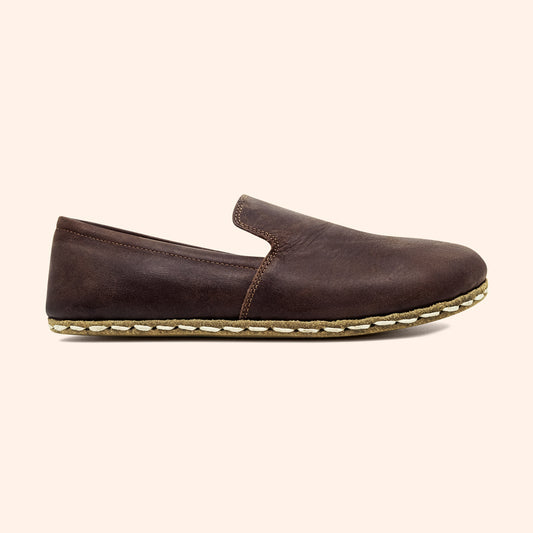
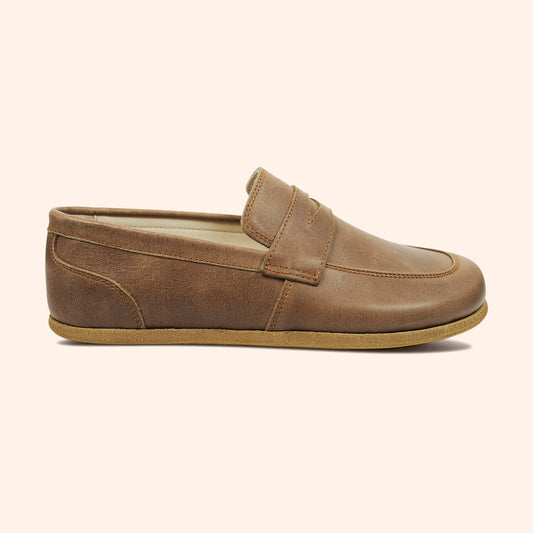
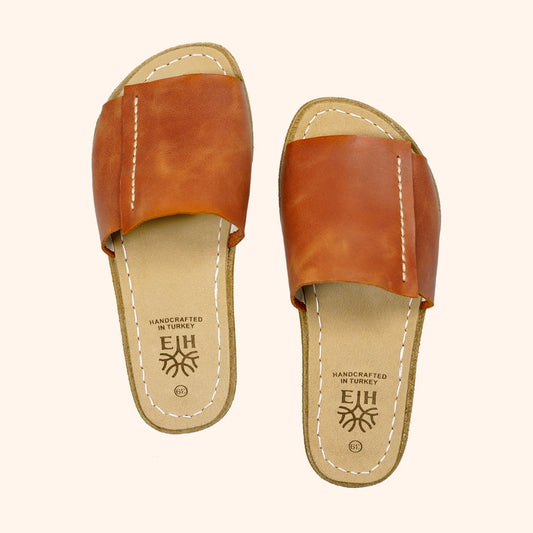
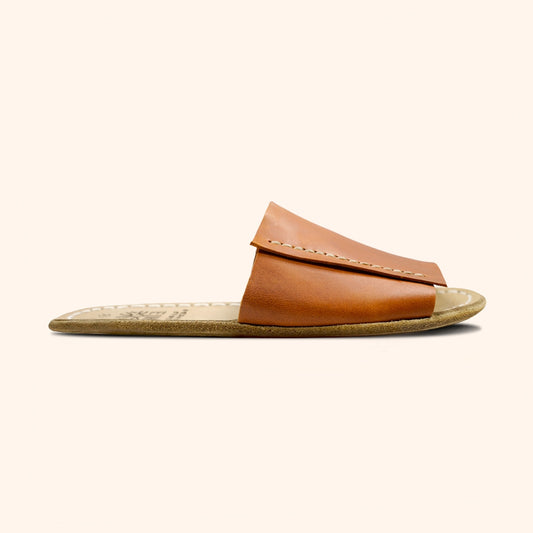
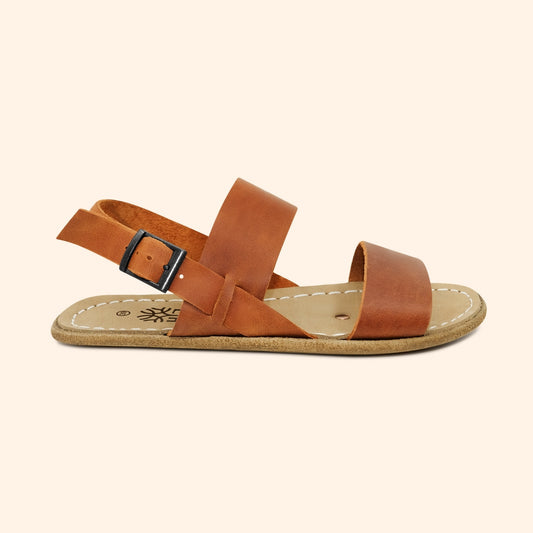
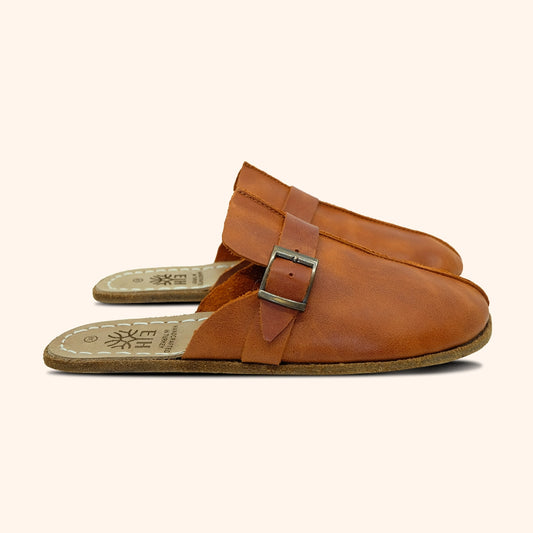
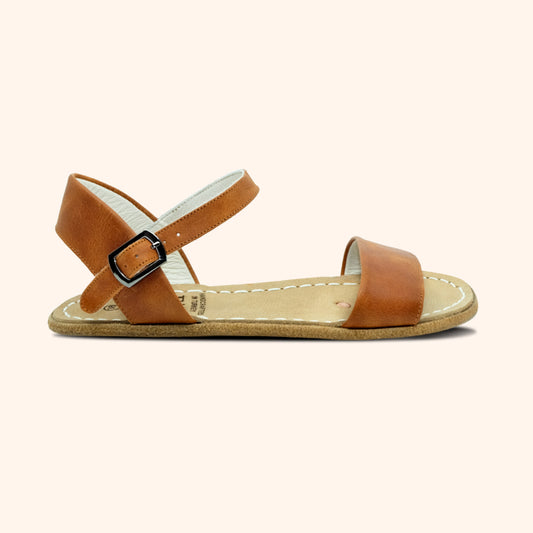
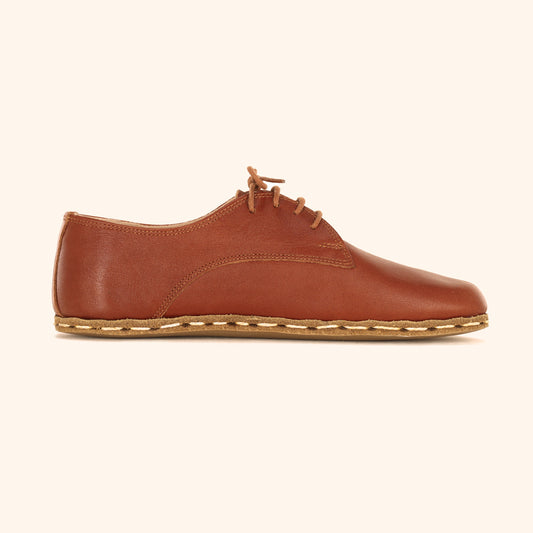
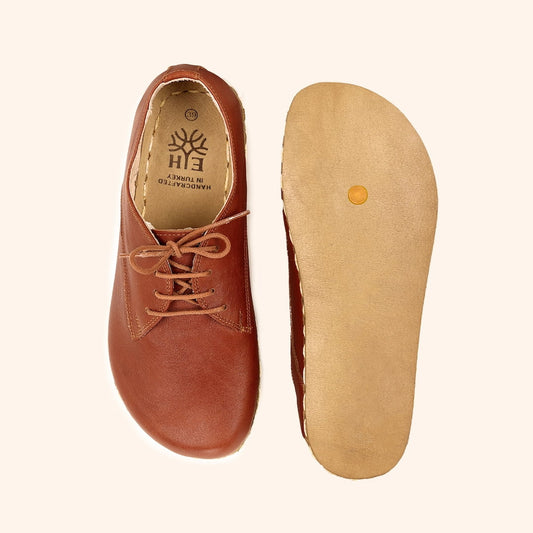
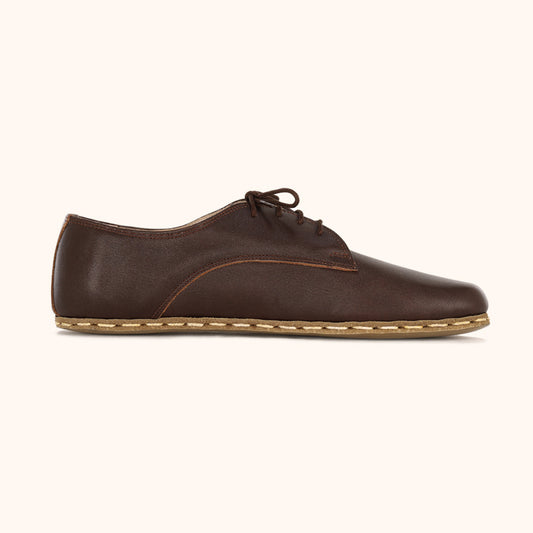
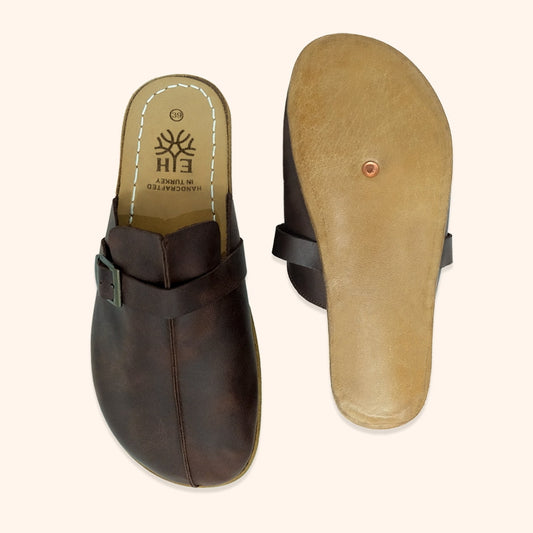
Traditional shoes often have thick soles, raised heels, and stiff designs. Barefoot shoes focus on natural movement, flexibility, and feeling the ground. They usually have a wide toe box, a flat sole, and flexible materials so your toes can spread and your feet move easily.
For many people, barefoot footwear isn’t about avoiding all modern shoes. It’s about picking shoes that help your feet work as they should instead of holding them back.:
- Wide toe box for natural toe splay
- Zero drop design with no heel drop
- Thin soles for better ground feel
- Flexible soles that bend with the foot
- Minimal cushioning rather than thick padding
That combination is what gives many barefoot shoes their distinctive barefoot feel.
Are Barefoot Shoes Actually Good for Your Feet?
This is one of the most common questions people ask.
For many people, barefoot shoes good for feet can be a fair statement, especially when chosen well and used thoughtfully. Some podiatrists and scientific research suggest they may help strengthen foot muscles, support proprioception, and encourage a more natural gait.
Potential benefits people often discuss include:
- Stronger feet over time
- Improved foot strength
- Better natural toe splay
- More sensory feedback from the ground
- Support for overall foot health
A study often referenced suggests some people transitioning to barefoot shoes saw significantly stronger feet over several months.
That said, barefoot shoes are not magic. They are a tool, and whether they help depends on fit, transition pace, and individual needs.
Key Features That Make Barefoot Shoes Different
Wide Toe Box and Toe Boxes That Let Feet Spread
One defining feature of many barefoot shoe brands is a wide toe box.
Conventional toe boxes often taper inward. That may create a sleek look, but can crowd toes.
A wider foot shape design allows:
- Toes spread more naturally
- Better balance
- Less pressure on the big toe
- More comfort for wide feet and high volume feet
For many people, once they experience enough room in the front of a shoe, it is hard to go back.
Zero Drop and Zero Drop Shoes
Most barefoot shoes use zero drop, meaning heel and forefoot sit level.
That differs from many running shoes or high heels where the heel sits elevated.
A zero drop design may support:
- Proper posture
- More natural walking mechanics
- Reduced compensation through ankles and knees
Some people transitioning from cushioned shoes notice calf adaptation at first, which is normal.
Thin Soles, Ground Feel and Natural Feel
Ground feel is central to barefoot design.
Thin soles allow more awareness of terrain underfoot. That sensory feedback is part of what many people love about barefoot shoes.
Some prefer very minimal stack height.
Others prefer slightly thicker soles for some shock absorption while keeping a barefoot feel.
There is a spectrum.
Barefoot Shoes vs Traditional Cushioned Shoes
Traditional shoes often prioritize cushioning and support.
Barefoot shoes prioritize freedom.
Traditional models may have:
- Thick soles
- Added arch support
- Significant heel drop
- Motion control elements
Barefoot shoes tend to favor:
- Flexible soles
- Zero drop
- Natural foot shape
- Ground feel
That does not make one universally better.
It makes them different tools.
For some people, moving from heavily cushioned shoes into barefoot shoes makes sense gradually, not abruptly.
Potential Benefits of Barefoot Shoes
People are often drawn to barefoot because of all the benefits they hear about.
Some commonly discussed potential benefits include:
- Improved foot strength
- Stronger feet through daily use
- Better toe splay
- More natural stride patterns
- Improved overall foot health
Many also appreciate the natural feel.
Some runners find encouraging a forefoot or midfoot strike feels more intuitive in zero drop shoes.
Others simply enjoy how barefoot shoes feel in day to day life.
Transitioning to Barefoot Shoes
This part matters.
A barefoot journey usually goes better when taken slowly.
People coming from structured cushioned shoes often need an adaptation period.
Start with:
- Everyday wear for short periods
- Walking before running
- Shorter durations over multiple days
- Listening closely to feet and calves
If soreness shows up, it often means slow down.
That does not mean barefoot shoes are a problem.
It often means tissues are adapting.
For a first pair, many people choose a model with a little more stack height rather than the most minimal option.
That can ease transition.
Barefoot Shoes for Flat Feet
People with flat feet often ask whether barefoot shoes are appropriate.
There is no universal answer.
Some people with flat feet feel strengthening foot muscles and allowing natural mechanics helps.
Others may need more gradual transition or guidance.
Especially with severe flat feet, plantar fasciitis, or tendon issues, consulting a podiatrist can be wise.
Barefoot footwear can support natural function, but it does not override individual biomechanics.
What About Plantar Fasciitis?
This comes up constantly.
Some people with plantar fasciitis do well in barefoot shoes, especially after gradual adaptation.
Others may find minimal cushioning aggravates symptoms.
That is why context matters.
Features some people prioritize include:
- Wide toe box
- Zero drop shoes
- Moderate stack height
- Flexible but protective soles
It is less about finding one miracle pair and more about finding what works for your feet.
Is Going Barefoot Bad for Achilles Tendonitis?
This is another important question.
Walking barefoot or minimalist footwear may increase load through calves and Achilles, especially early in transition.
For someone with active Achilles tendonitis, abrupt change may not be ideal.
That does not necessarily mean barefoot principles are bad.
It may simply mean slower progression matters.
For some people, more moderate barefoot brands or transitional models can make more sense.
What Are the Best Shoes for Gout?
People with gout often prioritize pressure relief.
In that context, many look for:
- Wide toe boxes
- Enough room around sensitive joints
- Soft uppers
- Low pressure designs
Some barefoot shoes may help because they avoid compressive fronts.
But severe gout cases should be individualized.
Comfort matters more than ideology.
Best Barefoot Shoe Brands to Know
Xero Shoes
Xero Shoes are often among the first barefoot brands people explore.
Many barefoot shoe brands serve different needs, but Xero Shoes often strike a useful balance between flexibility, durability, and price.
The Xero Shoes Prio is frequently mentioned among best barefoot shoes for beginners.
People often like it for:
- Ground feel without being too extreme
- Wide toe box
- Lightweight sneakers feel
- Versatility for everyday wear
There are many Xero Shoes models now, from casual sneakers to running shoes and barefoot sandals.
Lems Shoes
Lems Shoes are often seen as a bridge between minimalist footwear and transitional comfort.
The Primal Zen and some Lems sneakers have a little more protection underfoot than ultra minimal shoes.
That appeals to people leaving cushioned shoes.
Lems Shoes can be a strong first pair option.
Vivobarefoot Sneakers
Vivobarefoot sneakers are often favored by people wanting stronger ground feel.
They tend to lean more minimal.
Some people love that.
Others prefer slightly more stack height.
It depends what barefoot feel you want.
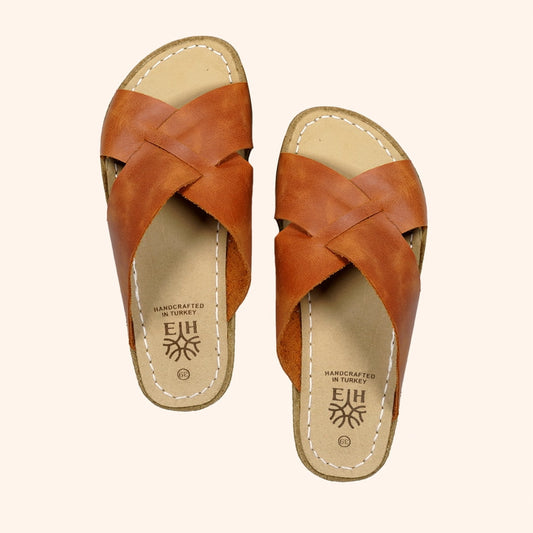
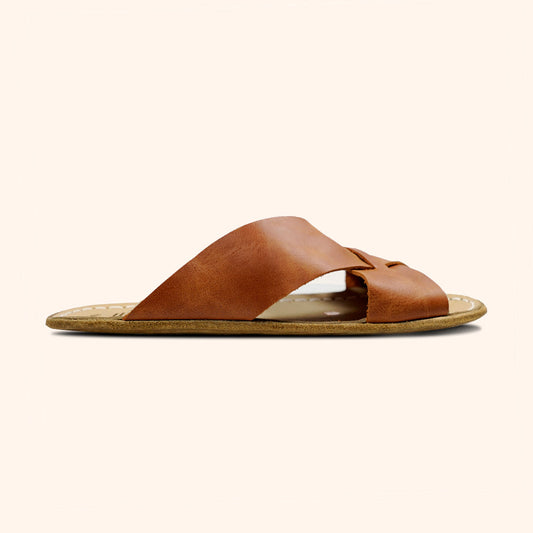
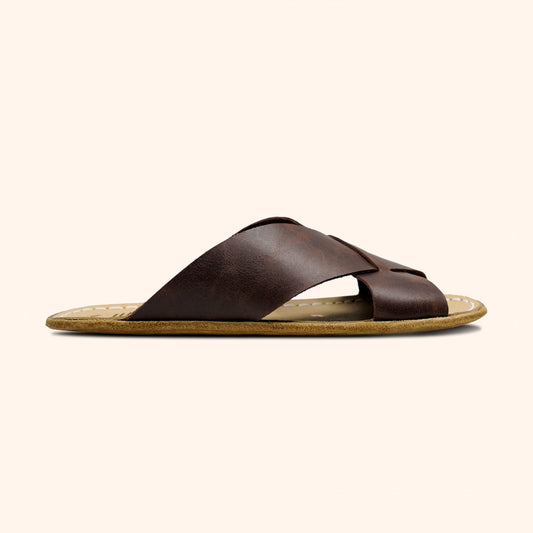
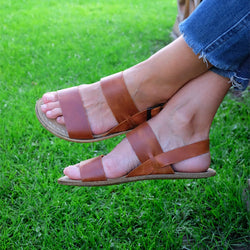
Barefoot Sandals
Barefoot sandals deserve mention too.
For some people they offer the purest minimalist experience.
They can be wonderful in warm weather and can support a very natural feel.
Other Barefoot Brands Worth Exploring
Many barefoot shoe brands now exist.
Some people explore:
- Bearfoot shoes
- Dolfie Paradise sneakers
- Vegan leather models from newer barefoot brands
- Various casual sneakers designed around foot shape
There is no single best barefoot answer.
The best barefoot shoes depend on your feet, goals, and preferences.
What Brand Is the Best Barefoot Shoe?
People ask this constantly.
Truthfully, no single brand is best for everyone.
For beginners, some prefer Lems.
For lighter ground feel, some like Xero Shoes.
For experienced minimalist wearers, Vivobarefoot sneakers often come up.
The best barefoot choice often depends on:
- Foot shape
- Wide width needs
- Desired ground feel
- Use case, walking, casual, or running
Fit matters more than hype.
Barefoot Shoes for Running
Running shoes in barefoot categories can be fantastic, but transition matters even more here.
Moving abruptly from high stack cushioned shoes into very minimal running shoes can overload tissues.
Better to progress.
Many people begin by walking.
Then short runs.
Then longer adaptation.
That approach tends to make sense.
Everyday Wear and Day to Day Life
Many people use barefoot shoes less for sport and more for ordinary life.
That may be where they shine most.
For everyday wear people often value:
- Comfort over multiple days
- Natural movement in ordinary walking
- Sneakers that work with casual clothes
- Shoes that feel less restrictive
Sometimes the biggest shift is simply how feet feel at the end of a day.
Common Mistakes Beginners Make
A few show up repeatedly.
- Buying the most extreme minimalist shoes first
- Assuming all the shoes labeled barefoot fit the same
- Transitioning too fast
- Ignoring foot shape compatibility
Many barefoot shoes differ a lot.
Most models have distinct fits.
That is worth respecting.
Are Barefoot Shoes Good for Everyone?
No.
And it is better to say that honestly.
People with severe structural issues, arthritis, or some injury histories may need modifications.
Barefoot shoes good for many people does not mean ideal for every person.
That nuance matters.




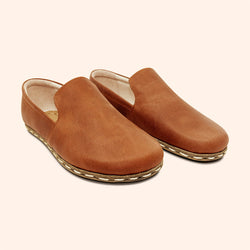 Shoes
Shoes
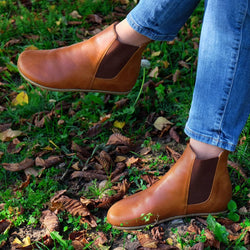 Boots
Boots
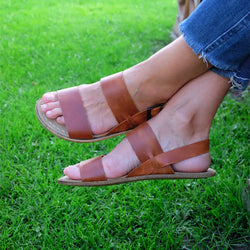 Sandals & Clogs
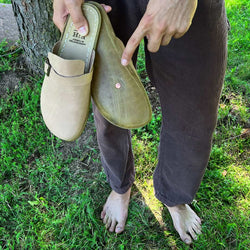
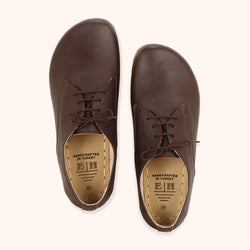 Shoes
Shoes
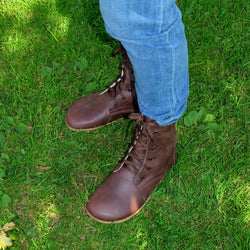 Boots
Boots
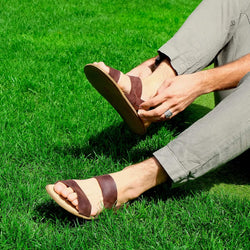 Sandals & Clogs